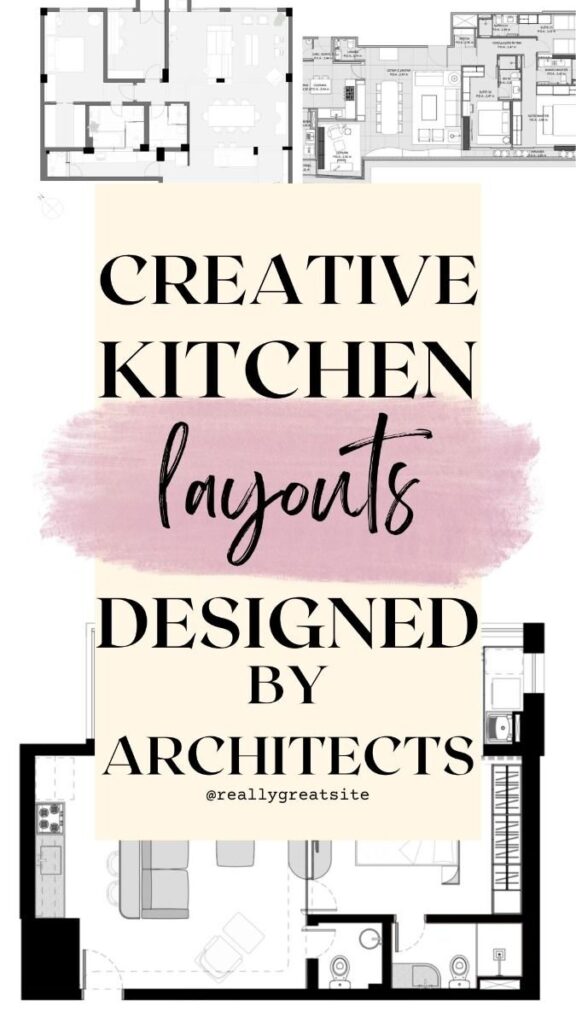
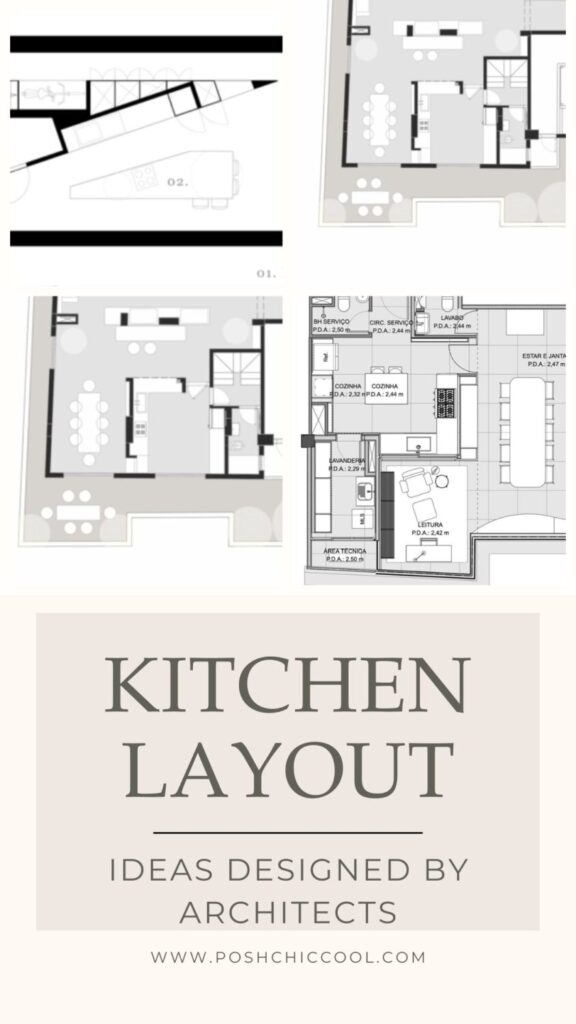
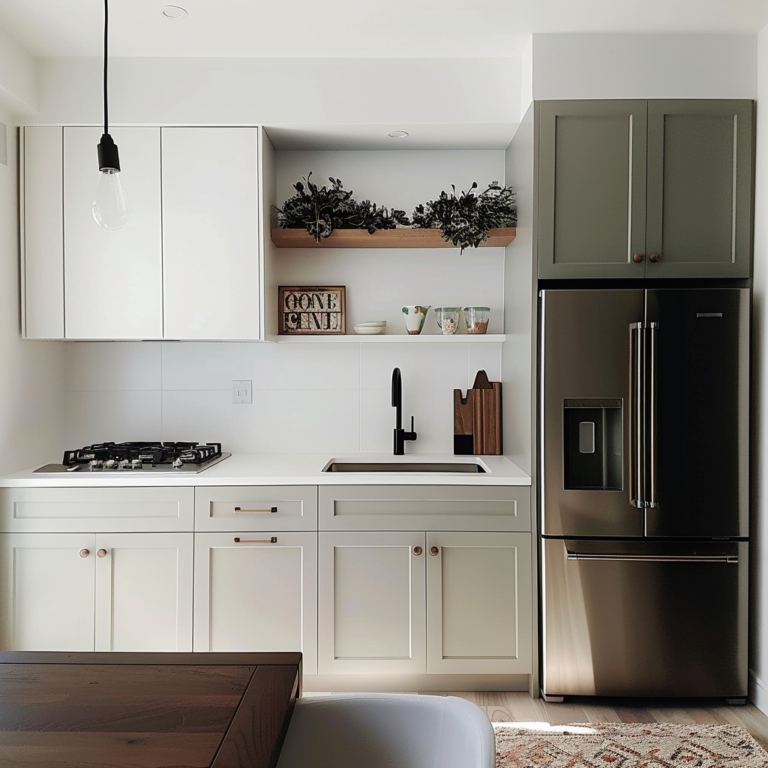
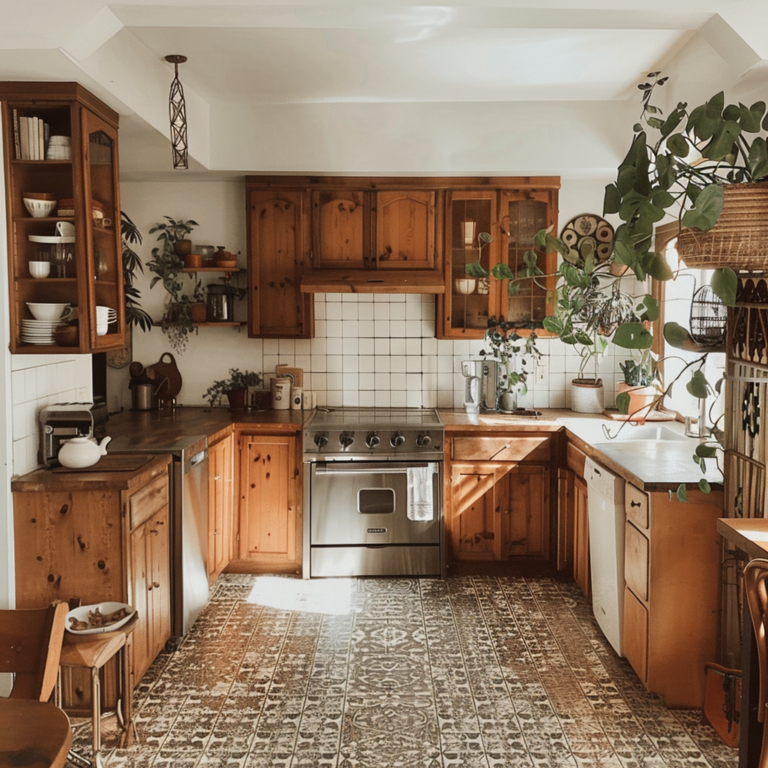
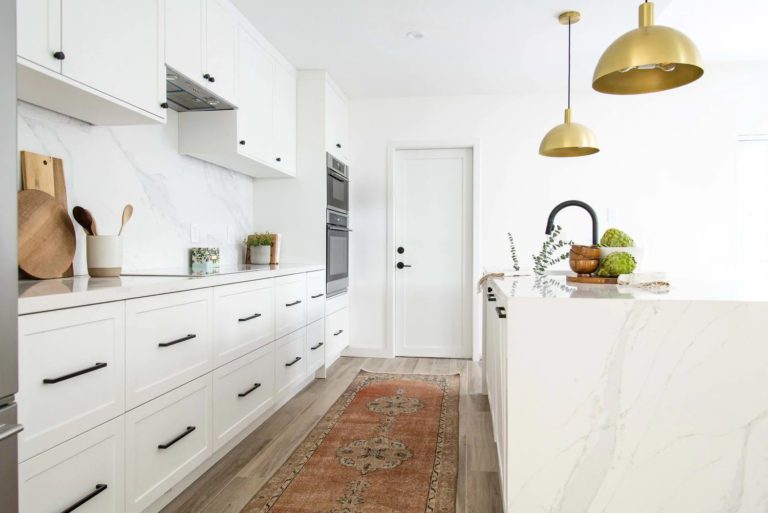
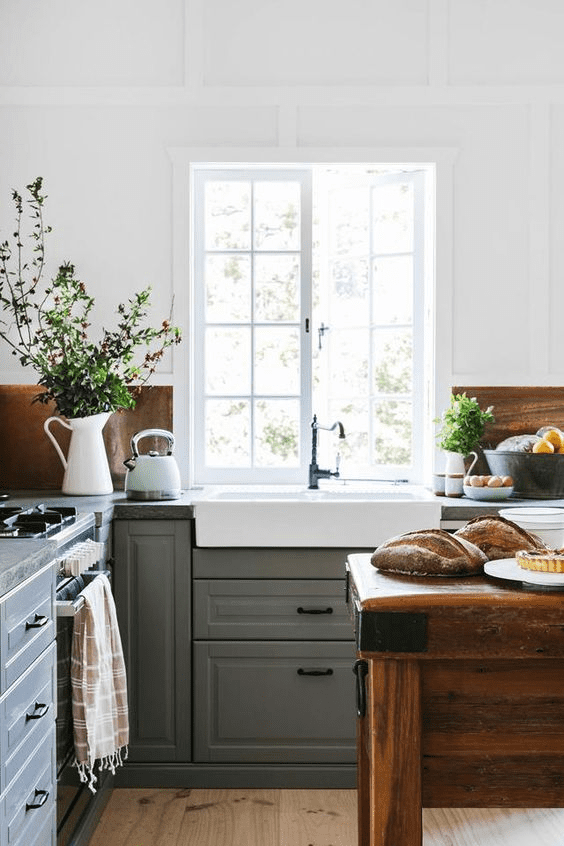
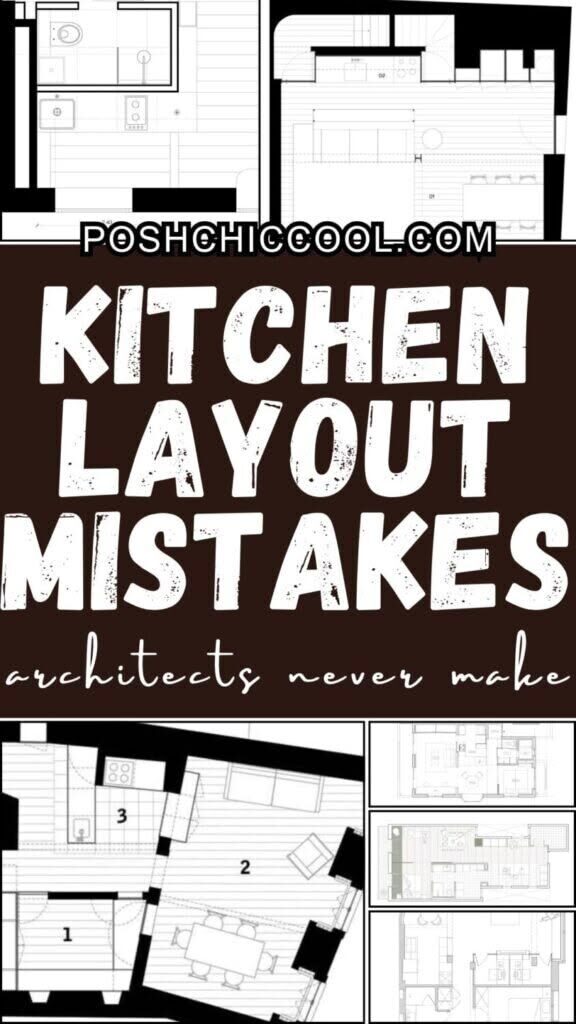
This blog post is all about kitchen layout ideas that were designed by architects and we discuss why they work or what could have been done better. Don’t forget to save it to Pinterest!
Planning a small kitchen layout is not just about choosing a pretty floor plan. This guide covers small kitchen layouts for compact homes, apartments, one-wall kitchens, kitchens with islands, 9×9 kitchen layouts, and layouts where walkway clearance matters. Use these architect-designed examples to compare appliance placement, sink location, storage zones, prep space, and traffic flow before choosing the best kitchen layout for your space.
Posh Chic Cool is a participant in the Amazon Services LLC Associates Program, an affiliate advertising program designed to provide a means for sites to earn advertising fees by advertising and linking to Amazon.com. As an Amazon Associate, I earn from qualifying purchases at no extra cost to you. Disclaimer, Privacy Policy and Terms and Conditions
You will also like:
How to Plan a Home Renovation From Start to Finish


One-Wall Small Kitchen Layout
Best for: studio apartments, compact homes, narrow open-plan rooms, and kitchens that need to share space with living or dining areas.
A one-wall small kitchen layout places the main kitchen cabinets, sink, cooktop, and appliances along a single wall. It is one of the simplest layouts to understand, but it still needs careful planning because every appliance sits in one straight line.
The biggest mistake with a one-wall kitchen is treating it like a row of cabinets instead of a working sequence. A good one-wall layout should still think about how you actually cook: you bring food in, store it, wash it, prep it, cook it, and serve it.
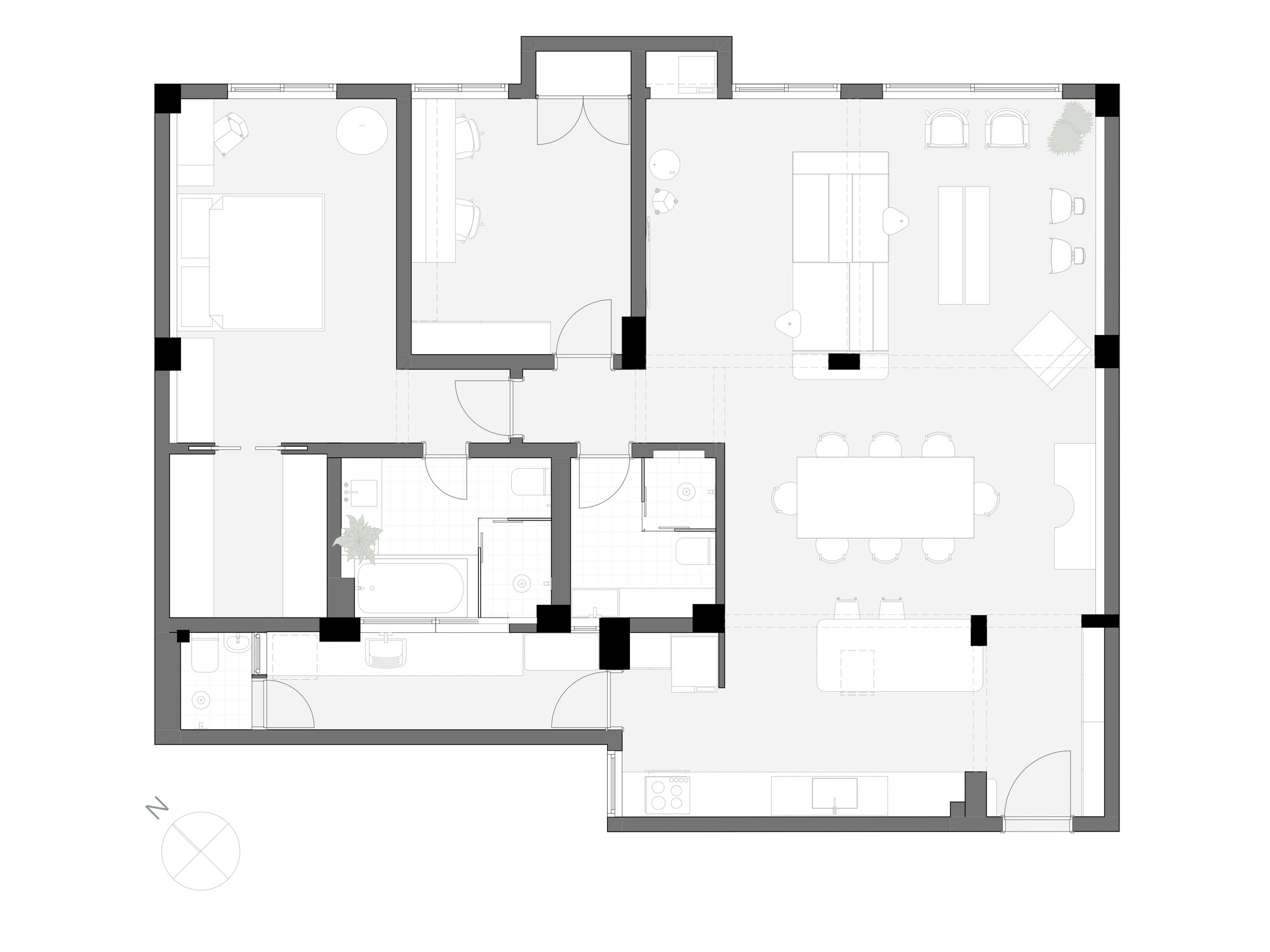
The fridge placed in a niche, the kitchen connects to the hall and opens toward a larger living and dining area. This is a smart small-space move because the kitchen does not feel like a closed-off service room. It becomes part of the main living zone.
The island with bar seating also gives the one-wall kitchen more function. It adds prep space, creates a casual eating spot, and gives the kitchen a stronger boundary inside the open plan. Without it, the one-wall run might feel too thin for the size of the room.
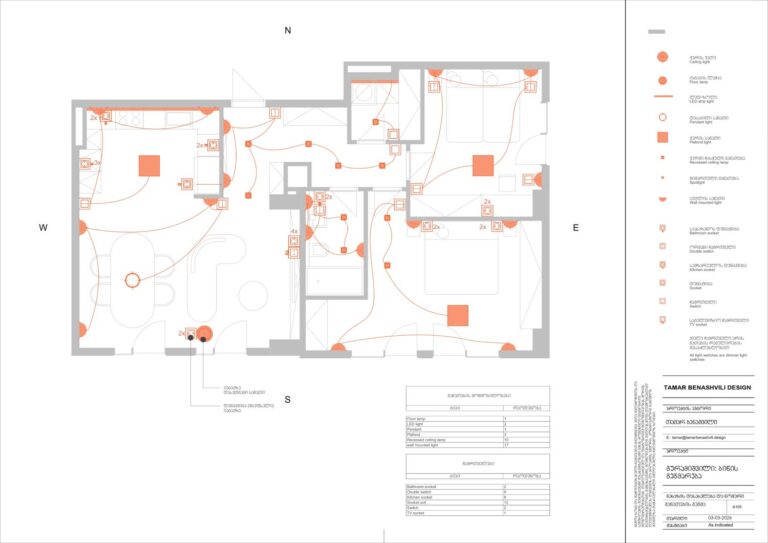
The main thing to study in this layout is not just the kitchen wall itself, but the traffic around it. In this plan, the laundry room and WC are accessed through the kitchen area. That may have been the best option for the apartment, but it is something to think about in your own home. If people need to walk through the kitchen with laundry baskets, bags, or guests, the kitchen has to stay clear enough for that traffic.

How to Plan Appliance Order in a One-Wall Kitchen
For most one-wall kitchens, the easiest order is:
Fridge or pantry → sink → prep counter → cooktop
This order follows the way most people cook. You take food from the fridge, wash it at the sink, prep it on the counter, and move it to the cooktop.
Real kitchens do not always allow this perfect sequence. Plumbing shafts, bathroom walls, windows, doors, and existing gas or electrical lines can force the sink or cooktop into a less obvious place. That does not mean the layout is wrong. It means you need to understand which decision matters most.
If moving the sink would require expensive plumbing work, it may be smarter to keep the sink close to the existing shaft and improve the layout with better counter space and storage.
Storage Zones for a One-Wall Small Kitchen
A one-wall kitchen needs strong vertical storage because it has fewer cabinet runs than an L-shaped, U-shaped, or galley kitchen. Tall pantry cabinets can work well at one end of the run. Daily dishes should sit near the sink or dishwasher. Cookware should sit close to the cooktop. Cleaning products should stay near the sink.
If the kitchen feels too heavy with upper cabinets across the whole wall, mix closed cabinets with a few open shelves. Just do not turn every storage surface into open shelving unless you truly keep your kitchen edited and tidy. For more small kitchen storage ideas, see this guide on open kitchen shelves and cabinet storage.
Small Apartment Kitchen Layout
Best for: compact homes where the kitchen shares space with the living room, dining area, work zone, entry, or bedroom.
A small apartment kitchen layout has to work with the whole apartment, not just the kitchen wall. This is where architects are often very good. They do not only ask, “Where should the fridge go?” They ask, “How does the kitchen connect to the entry, the living room, the sleeping area, the dining table, the bathroom, and the windows?”
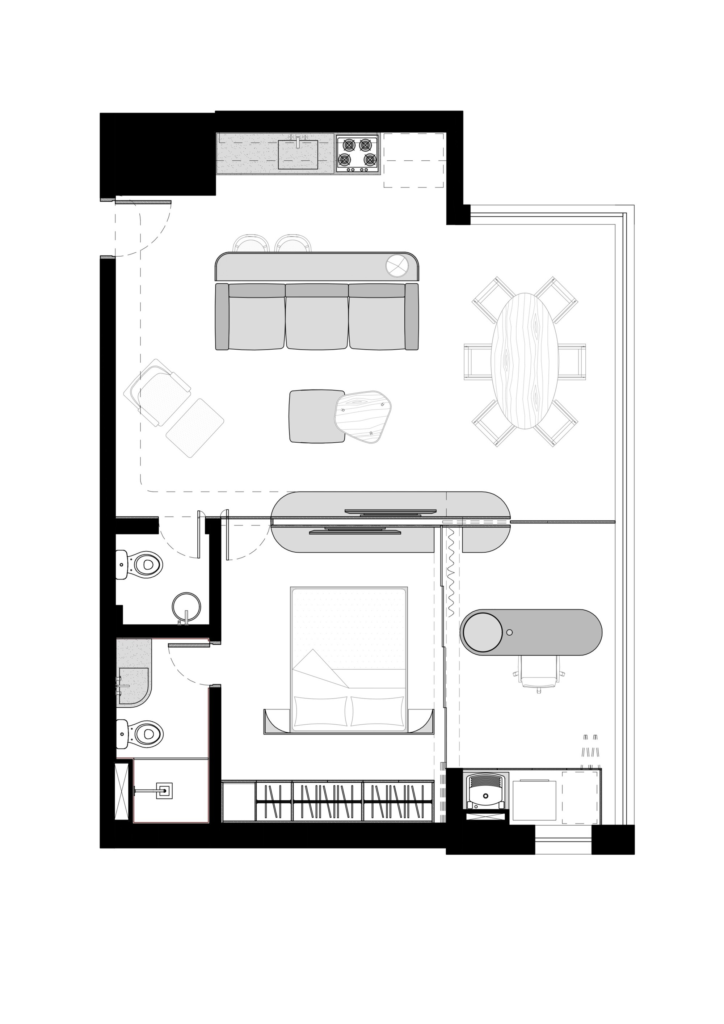
The bedroom gets access to daylight through transformable glass dividers with curtains, while the work zone can be visually separated when needed. That is exactly what makes the layout worth studying: the kitchen is not treated as an isolated object.
The kitchen and living room use an open-plan concept, which helps the apartment feel larger. Still, the kitchen layout has a few planning lessons.
First, the fridge would usually be easier to use near the entry side of the kitchen. That way, grocery bags do not have to cross the whole cooking zone before they reach storage. Second, heat-producing appliances should not sit too close to the fridge if you can avoid it. If there is no better option, there should at least be proper separation between them.
Third, check the space in front of the kitchen carefully. A kitchen may look fine on a floor plan, but chairs, stools, cabinet doors, dishwasher doors, and people sitting at the table can quickly reduce the working aisle.
For more apartment-specific examples, see unexpected kitchen layout solutions from architects.
What Apartment Kitchens Need Most
Small apartment kitchens usually need three things:
- A clear appliance sequence
- Enough walkway space
- Storage that does not overwhelm the room
If the kitchen is visible from the living room, the visual side matters too. This is why some architects hide the fridge, reduce upper cabinets, or use shelves instead of a full wall of storage. These choices are not just aesthetic. They can make the main room feel calmer and less crowded.
If you want the kitchen to feel lighter, especially in a small or minimalist apartment, this post on making a small kitchen look bigger is a useful next read.
9×9 Kitchen Layout
Best for: small square kitchens, compact closed kitchens, rentals, and remodels where every wall matters.
A 9×9 kitchen layout needs careful choices because the room is small enough to feel tight, but large enough to have more than one possible layout. Depending on where the door, window, plumbing, and appliances are located, a 9×9 kitchen may work as an L-shaped kitchen, U-shaped kitchen, one-wall kitchen, or compact galley.
The best layout is not the one that fits the most cabinets. It is the one that gives you enough storage, enough counter space, and enough room to move without appliance doors crashing into each other.
What Fits in a 9×9 Kitchen?
In a 9×9 kitchen, you can usually consider:
- One-wall layout if one side needs to stay open
- L-shaped layout if two connected walls are usable
- U-shaped layout if the center aisle stays comfortable
- Galley layout if two parallel walls are available
- Small movable island or cart if there is enough clearance
A fixed island is usually difficult in a true 9×9 kitchen unless the cabinet runs are very shallow or the layout is unusually open. A mobile island or rolling cart may work better because it can move out of the way when you need more circulation.
For flexible island ideas, see small mobile kitchen island ideas.
Where Should the Sink Go in a 9×9 Kitchen?
The sink is usually the most plumbing-dependent element, so start there. If you are remodeling without moving major plumbing, the sink may need to stay near the existing wall or shaft. That can shape the rest of the layout.
Ideally, the sink should have landing space on at least one side. It should also be close to the dishwasher if you have one. In a very small kitchen, the sink often becomes the center of the cleanup zone, prep zone, and daily-use zone, so do not squeeze it between two tall elements if you can avoid it.
Storage Zones in a 9×9 Kitchen
A good 9×9 kitchen layout should divide storage by use:
- Pantry food near the fridge
- Pots and pans near the cooktop
- Dishes near the sink or dishwasher
- Cleaning supplies near the sink
- Small appliances in one easy-to-reach cabinet or appliance garage
For more cabinet planning and finish ideas, browse the kitchen cabinet ideas section.
Kitchen Layout With Island
Best for: open-plan kitchens, one-wall kitchens that need more prep space, and compact homes where the island can divide the kitchen from the living area.
A small kitchen layout with island can work beautifully, but only when the island solves a real problem. It should add prep space, seating, storage, or a clearer boundary between rooms. If it only makes the walkway tighter, it is not helping.
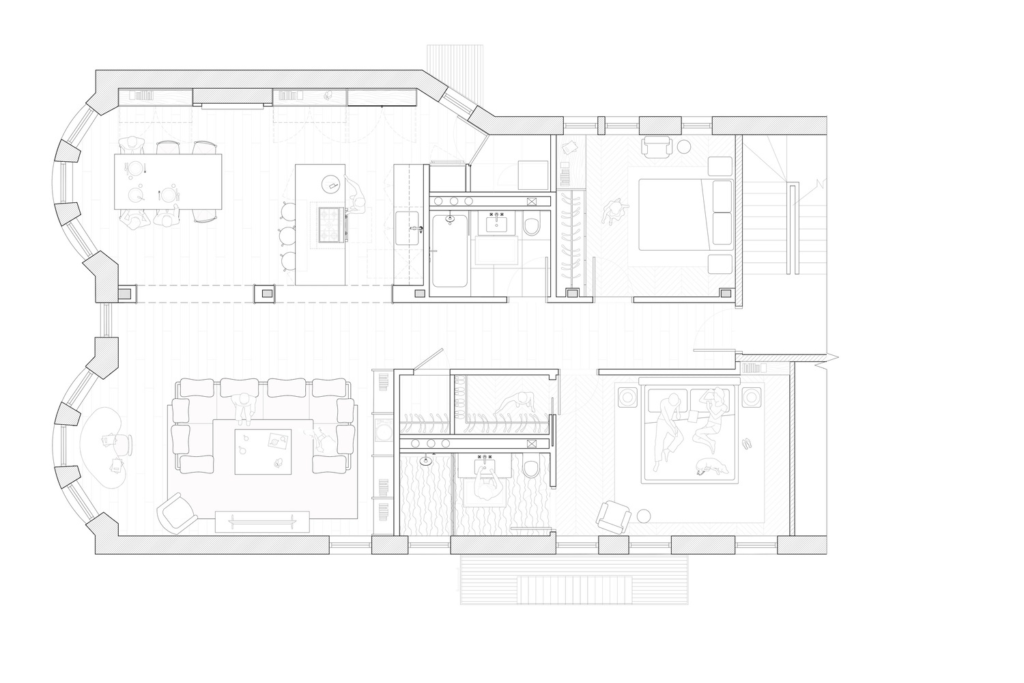
The apartment separates the bedroom zone from the day zone, while the kitchen, dining, and living areas stay connected. That gives the apartment flexibility without making everything feel like one undefined room.
The kitchen itself is also interesting because the fridge is not placed at the most obvious entry-side position. Usually, placing the fridge closer to the entry is more practical. In this case, hiding the fridge farther into the kitchen allowed the architect to create a cleaner, more elegant run of lower cabinets with a shelf above.
That is an important lesson: layout decisions are not always about one perfect rule. Sometimes you trade a small amount of everyday convenience for a much stronger visual result. The key is knowing what you are trading.
How Much Clearance Do You Need Around a Kitchen Island?
Island clearance matters more than the island itself. The National Kitchen & Bath Association recommends a work aisle of at least 42 inches for one cook and 48 inches for multiple cooks, measured between counters, tall cabinets, and appliances.
If your kitchen is very small, a movable island may be more realistic than a built-in one. A rolling cart can add storage and prep space without permanently blocking the room.
When a Kitchen Island Is Not the Right Choice
Skip the island if:
- The dishwasher door blocks the main aisle when open
- The oven door opens into the island with too little clearance
- Bar stools block the walkway
- The island forces people to pass through the cooking zone
- You lose more counter space than you gain
A small kitchen does not need an island to feel finished. Sometimes a peninsula, narrow dining table, or mobile cart works better.
For more island-specific ideas, see functional narrow kitchen island ideas and mobile kitchen island ideas.
Small Kitchen Layout With Walkway
Best for: kitchens connected to a hall, entry, laundry room, bathroom, dining room, or living room.
A small kitchen layout with walkway needs a different kind of planning. You are not only designing a kitchen. You are designing a kitchen that other people may need to pass through.
This is one of the biggest lessons from the original examples. Several layouts connect the kitchen to another part of the home: a hall, living room, WC, laundry space, dining room, or entry. These connections can make a compact home feel open, but they can also create problems if the walkway cuts through the main work area.
Work Aisle vs. Walkway
A work aisle is where cooking happens. It is the space between cabinets, counters, appliances, or an island.
A walkway is where people pass through the kitchen to reach another room.
These are not the same thing. A kitchen can have enough space for one cook but still feel uncomfortable if other people keep crossing behind them. This is especially true in apartment kitchens, open-plan kitchens, and layouts where the bathroom or laundry room is accessed through the kitchen.
Plan for Chairs, Doors, and Appliance Swings
Floor plans often look cleaner than real life. They may show cabinets and walls, but not always the full effect of:
- Dining chairs pulled out from the table
- Bar stools pushed back from the island
- Dishwasher doors opening downward
- Fridge doors swinging into the aisle
- Oven doors opening into the walkway
- Someone standing at the sink while someone else passes behind
This is why the tiny apartment example is so useful. The kitchen may have enough clearance when the dining chairs are pushed in, but that clearance changes when someone sits at the table while another person cooks.
Before finalizing a small kitchen layout, draw the furniture in its “in use” position, not just its neat floor plan position.
L-Shaped and U-Shaped Small Kitchen Layouts
Best for: small kitchens with two or three usable walls, compact homes that need more counter space, and layouts where one-wall storage is not enough.
L-shaped and U-shaped kitchens can give a small kitchen more storage and counter space than a one-wall layout. The challenge is keeping the center clear enough so the room does not feel trapped.
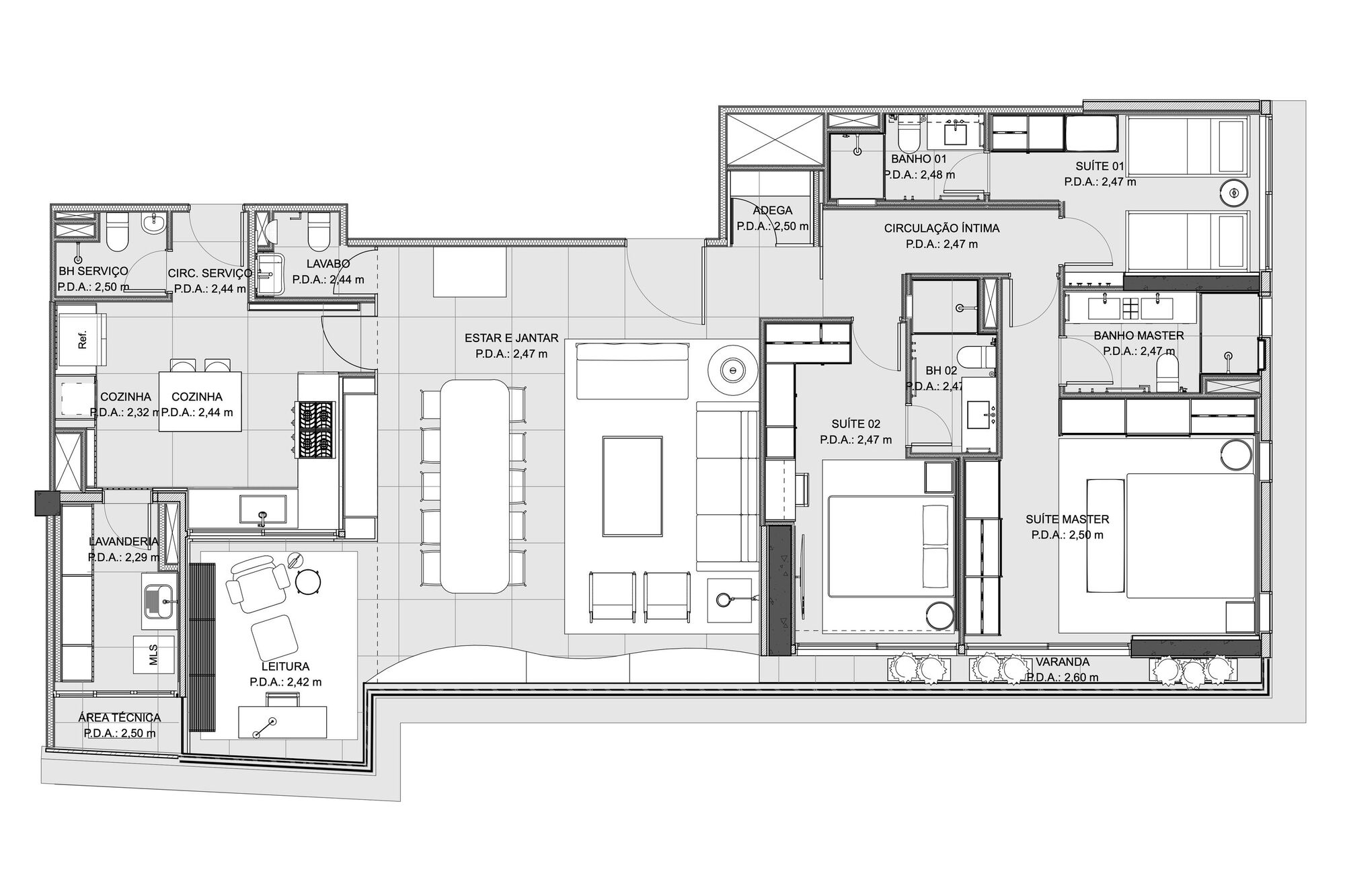
The interrupted U-shaped kitchen from the original post is a useful example because it connects the kitchen to the entry hall and makes the living room accessible through the kitchen. The kitchen still respects the basic work triangle and follows a logical sequence of activities: store, wash, prep, cook.
That sequence is the main reason the layout works. Even though the kitchen is connected to other parts of the home, the main cooking functions are still organized in a way that supports movement.
The possible weakness is the entry zone. If the kitchen connects directly to the entrance, you also need to ask where coats, shoes, bags, and keys will go. Otherwise, the kitchen can become the accidental drop zone for the whole home.
L-Shaped Kitchen Layout for Small Homes
An L-shaped kitchen works well when two connected walls are available. One wall can hold tall storage and the fridge, while the other holds the sink, prep space, and cooktop.
This layout can also leave the center of the room open, which helps if you want to add a small table, a rolling cart, or just better circulation.
U-Shaped Kitchen Layout for Maximum Storage
A U-shaped kitchen gives you the most counter and cabinet space, but only if the middle aisle is wide enough. In a small kitchen, a U-shape can quickly become too tight if cabinets, dishwasher doors, and oven doors all open into the same aisle.
Use a U-shaped layout when you want strong storage and you have enough clearance to move comfortably. Avoid it when the room is too narrow or when the third side blocks the natural path through the home.
Galley-Style Small Kitchen Layout
Best for: long narrow kitchens, pass-through kitchens, and apartments with two parallel usable walls.
A galley kitchen has two parallel runs of cabinets or appliances. It can be very efficient because everything is close, but it can also feel tight if both sides are overloaded with upper cabinets, tall units, or visual clutter.
The best galley kitchens usually have one side doing most of the heavy work and the other side supporting it with storage, counter space, or shallow shelving.
Where to Put the Fridge, Sink, and Cooktop in a Galley Kitchen
If possible, place the fridge near one end of the galley so people can access it without walking through the entire cooking zone. The sink and cooktop can sit on the same run or opposite sides, depending on plumbing and counter space.
Try to keep at least one comfortable prep area between the sink and cooktop. This is where most real cooking happens.
How to Keep a Galley Kitchen From Feeling Like a Hallway
A galley kitchen can feel narrow if every wall is filled from floor to ceiling. To soften that effect, consider:
- Lighter upper cabinets
- Open shelving on one section
- Under-cabinet lighting
- A simple backsplash
- Fewer tall cabinets near the main entry
- One strong focal point instead of many competing details
For style direction, especially if you like cleaner kitchens, see this guide to choosing a kitchen style, which includes minimalist kitchen ideas.
Flexible and Unusual Kitchen Layout Ideas
Best for: architect-designed homes, awkward apartments, compact floor plans, and spaces where standard layout rules do not quite fit.
Some of the most interesting kitchen layouts are not perfectly one-wall, L-shaped, U-shaped, or galley. They work because the architect understood the whole space.
When an “Illogical” Kitchen Layout Actually Makes Sense
One original example shows a layout where the fridge comes first, then a wide counter, then the cooktop, and then the sink. At first, that may look illogical because many people expect the sink to come before the cooktop.
But the sink sits close to the bathroom shaft, which likely made the plumbing much more practical. In that case, the architect prioritized the technical reality of the apartment over the ideal appliance sequence.
This is a good reminder for anyone planning a small kitchen: the best layout is not always the diagram-perfect layout. Sometimes the best decision is the one that respects plumbing, structure, budget, and the rest of the floor plan.
Kitchen Connected With a Window
Another original example uses a kitchen that is difficult to define as purely L-shaped or U-shaped. The more important detail is the window connection between the kitchen and living room.
That window keeps the kitchen visually connected to the social space while still giving it some separation. This is a strong idea for people who do not want a fully open kitchen but also do not want the kitchen to feel closed off.
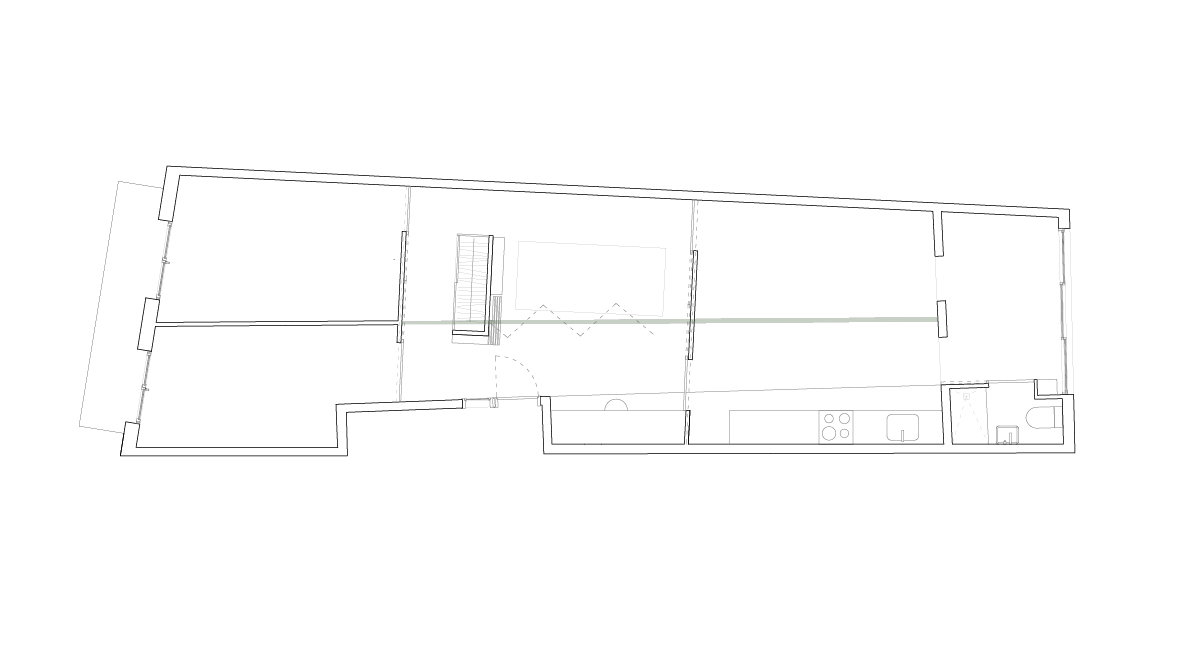
Flexible Kitchen With Glass Dividers
The flexible layout with large glass dividers is another smart small-space idea. It allows the kitchen to feel connected when you want openness, but more separated when you need quiet, privacy, or better control over cooking smells.
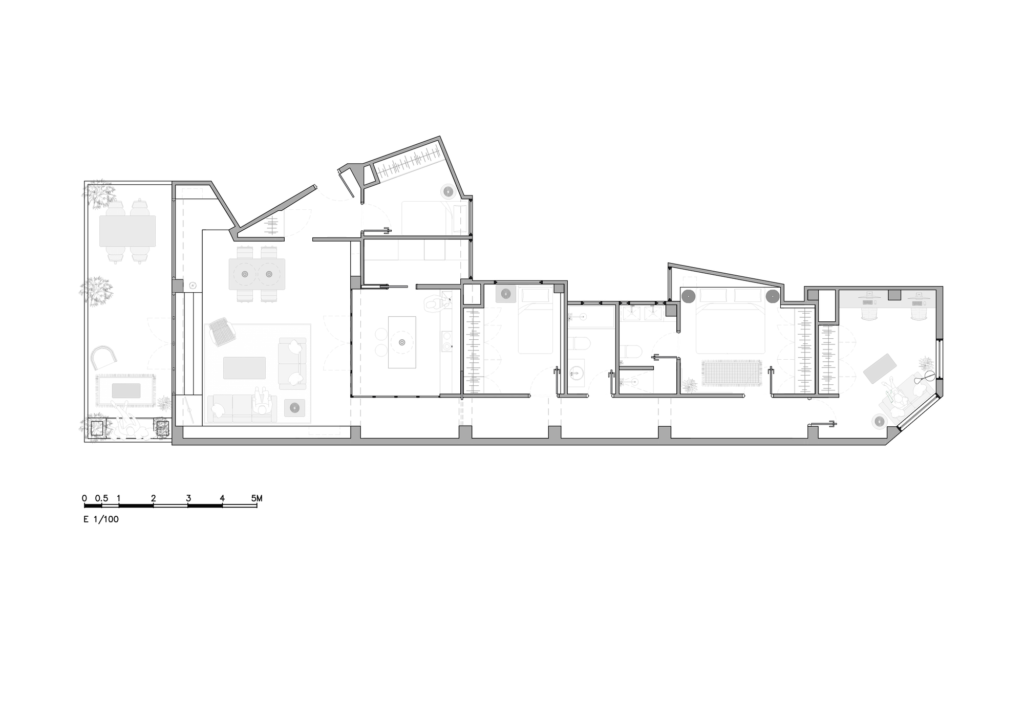
This kind of solution works especially well in compact homes where one room has to support several activities.
Unique Angled Kitchen Floor Plan
The angled floor plan from the original article is a great example of using geometry to make a simple rectangular space feel more custom. The angle changes the relationship between the kitchen, dining area, and exterior view. It also gives the island seating area a more intentional position.
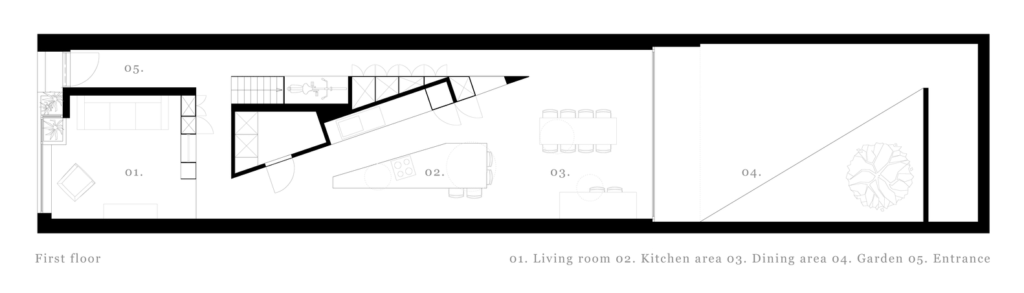
House L & W by Fragmenture
This kind of layout will not work in every home, but it shows why architects often test several versions before choosing the final plan. A small shift in angle can change circulation, sightlines, and how the kitchen connects to the rest of the home.
Which Small Kitchen Layout Should You Choose?
Use this table as a starting point before you commit to a layout.
| Choose this layout | Best for | Watch out for |
|---|---|---|
| One-wall small kitchen layout | Studios, apartments, open-plan rooms, narrow spaces | Not enough prep space unless storage and counter zones are planned carefully |
| 9×9 kitchen layout | Small square kitchens and compact closed kitchens | Door swings, corner storage, and appliance crowding |
| Kitchen layout with island | Open-plan kitchens that need prep space, seating, or separation | Clearance around the island and bar stool space |
| Small kitchen layout with walkway | Kitchens connected to halls, entries, laundry rooms, bathrooms, or dining areas | Traffic cutting through the cooking zone |
| L-shaped kitchen layout | Small kitchens with two usable walls | Dead corners and limited tall storage |
| U-shaped kitchen layout | Kitchens that need maximum counter and cabinet space | Aisle width and appliance-door conflicts |
| Galley kitchen layout | Long narrow kitchens and pass-through kitchens | Feeling too tight if both sides are visually heavy |
| Flexible or unusual layout | Awkward apartments, architect-designed homes, custom renovations | It needs stronger planning because standard rules may not apply cleanly |
The best small kitchen layout depends on four things: the shape of the room, the location of plumbing, the direction of traffic, and how many people use the kitchen at the same time.
If you are still choosing between basic layout types, this guide on how to choose a kitchen layout is a useful next step.
Small Kitchen Layout Planning Checklist
Before choosing your final small kitchen layout, ask these questions:
- Is the fridge easy to reach from the entry or grocery drop-off point?
- Is the sink close to existing plumbing?
- Is there usable prep space between the sink and cooktop?
- Can the dishwasher, oven, and fridge doors open without blocking the main walkway?
- Is there enough space in front of cabinets and appliances?
- Do chairs or stools block the cook when someone is sitting down?
- Are dishes stored near the sink or dishwasher?
- Are pots and pans stored near the cooktop?
- Are pantry items stored near the fridge?
- Does the kitchen work with the rest of the apartment or house?
- Is there a place near the entry for coats, shoes, and bags if the kitchen connects directly to the hall?
- Does the layout still work when more than one person is in the room?
A good small kitchen layout does not have to follow every rule perfectly. It needs to make sense for the room, the plumbing, the circulation, and the people who use it every day.
Conclusion
Small kitchen layouts are all about trade-offs. A one-wall kitchen may save space, but it needs strong storage. A kitchen island may add prep space, but only if the walkway still works. A 9×9 kitchen may fit several layout types, but appliance placement and door swings can quickly decide what is realistic.
The architect-designed examples in this post show that good kitchen planning is not just about picking a layout name. It is about reading the whole floor plan: where people enter, where they walk, where the sink can go, how the fridge is reached, where the cook actually preps, and how the kitchen connects to the rest of the home.
Start with the layout that fits your room shape, then test the real-life details. That is where the best small kitchen design decisions usually happen.
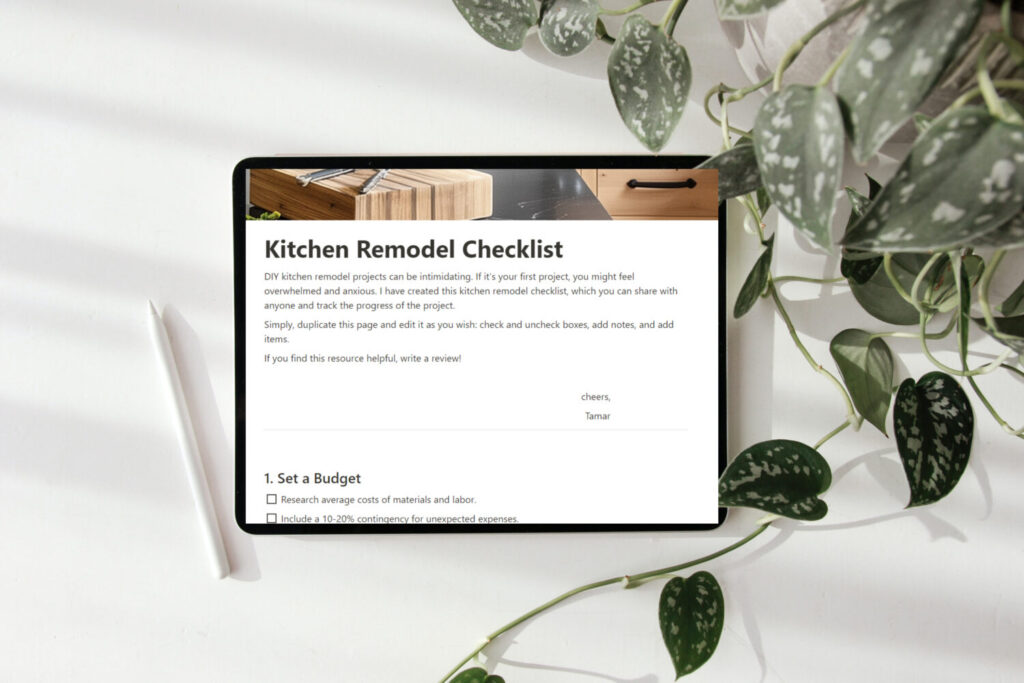
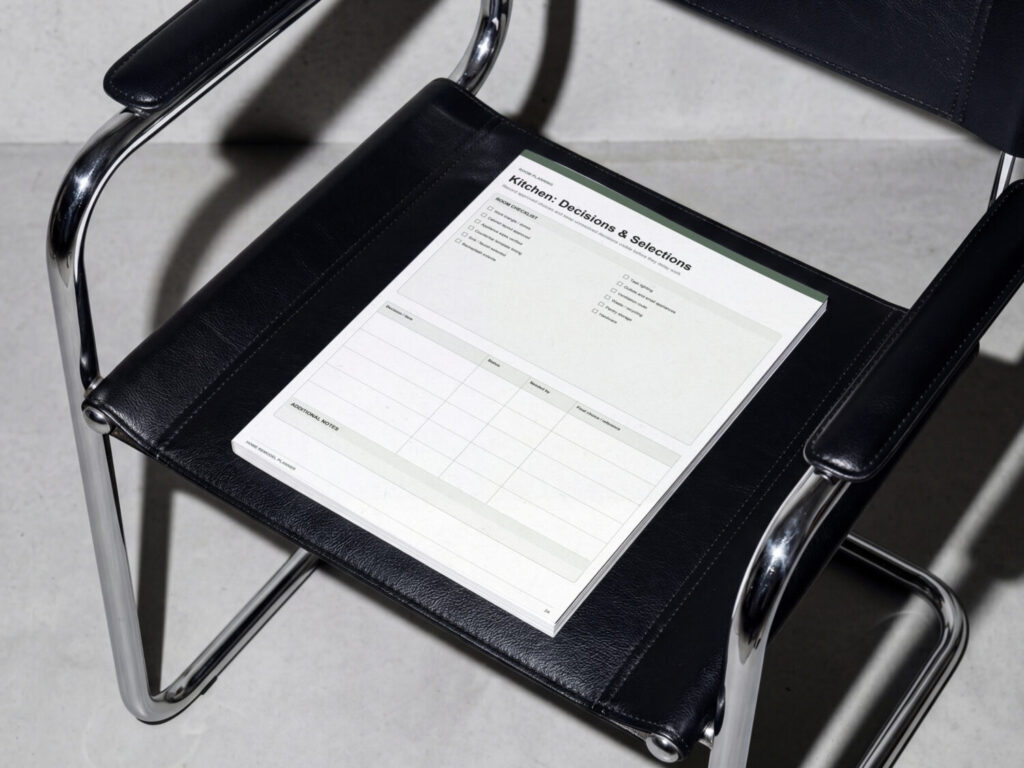
Kitchen remodel checklist
DIY kitchen remodel projects can be intimidating. If it’s your first project, you might feel overwhelmed and anxious. I have created this kitchen remodel checklist, which you can share with anyone and track the progress of the project.
Simply, duplicate this page and edit it as you wish: check and uncheck boxes, add notes, and add items.
If you find this resource helpful, write a review!
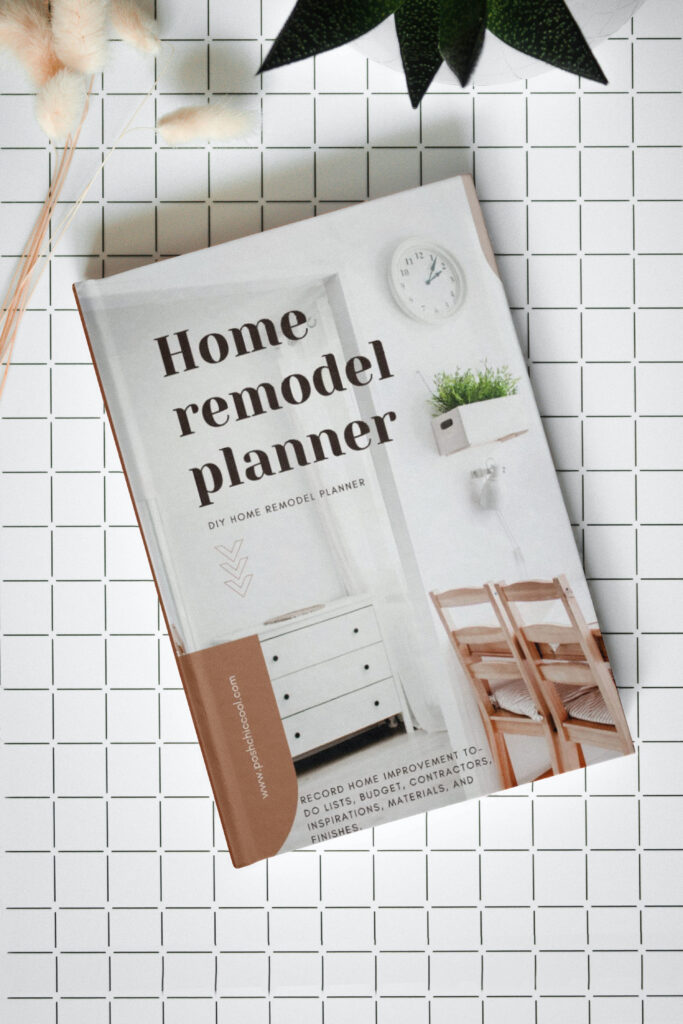
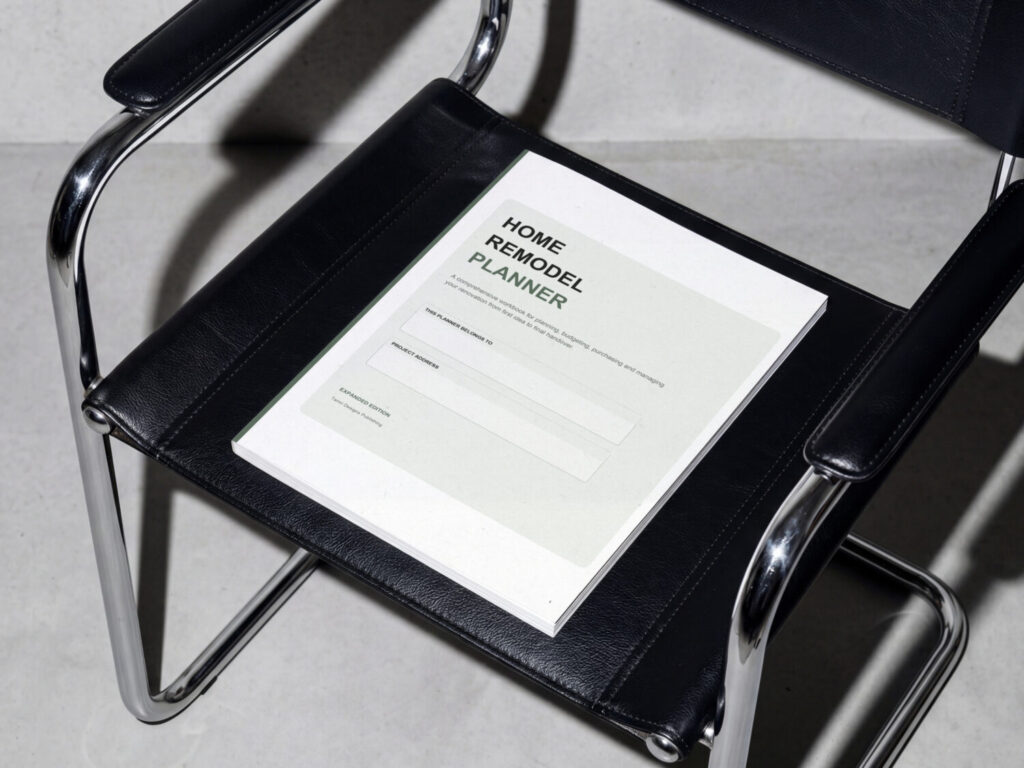
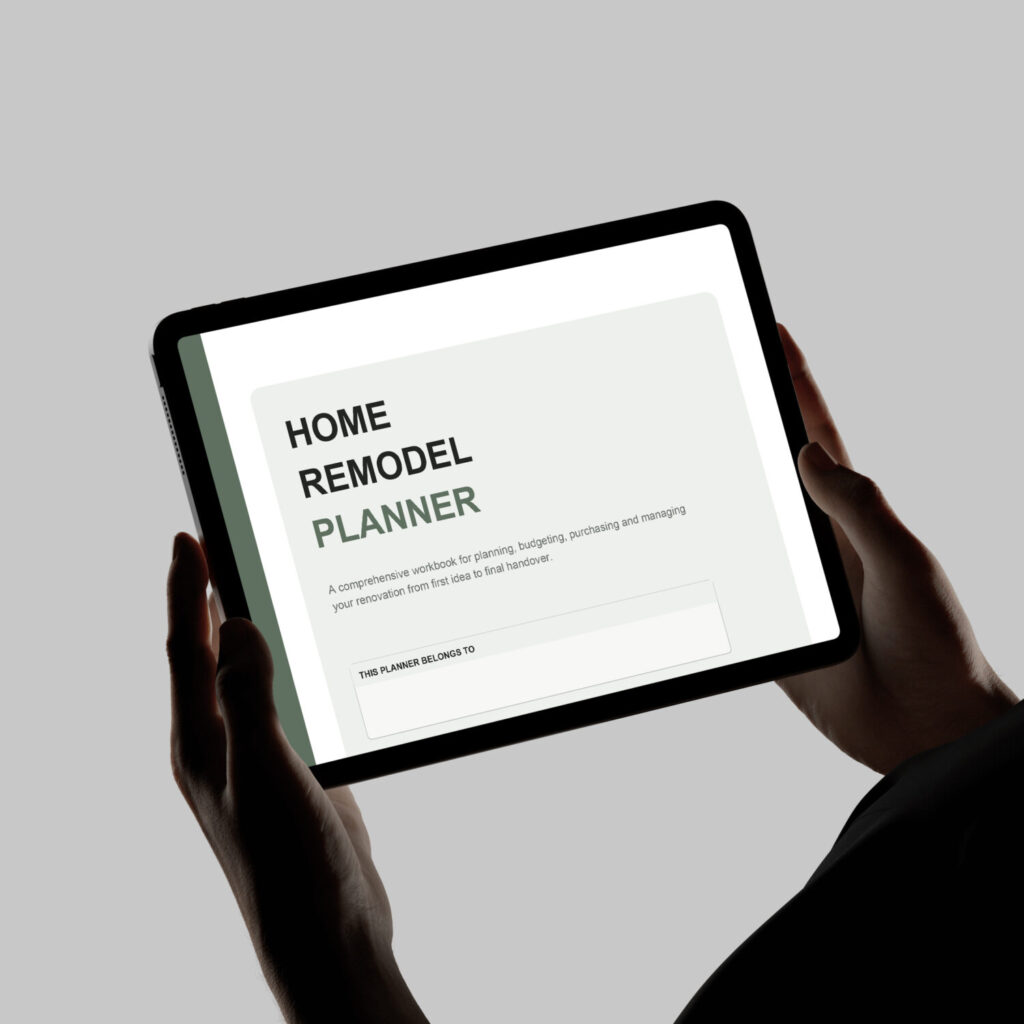
DIY HOME REMODEL PLANNER
Renovating your home is one of the biggest tasks. It can be intimidating to track all the tasks, budget, contractor info and offers, inspirations, finishes, and details.
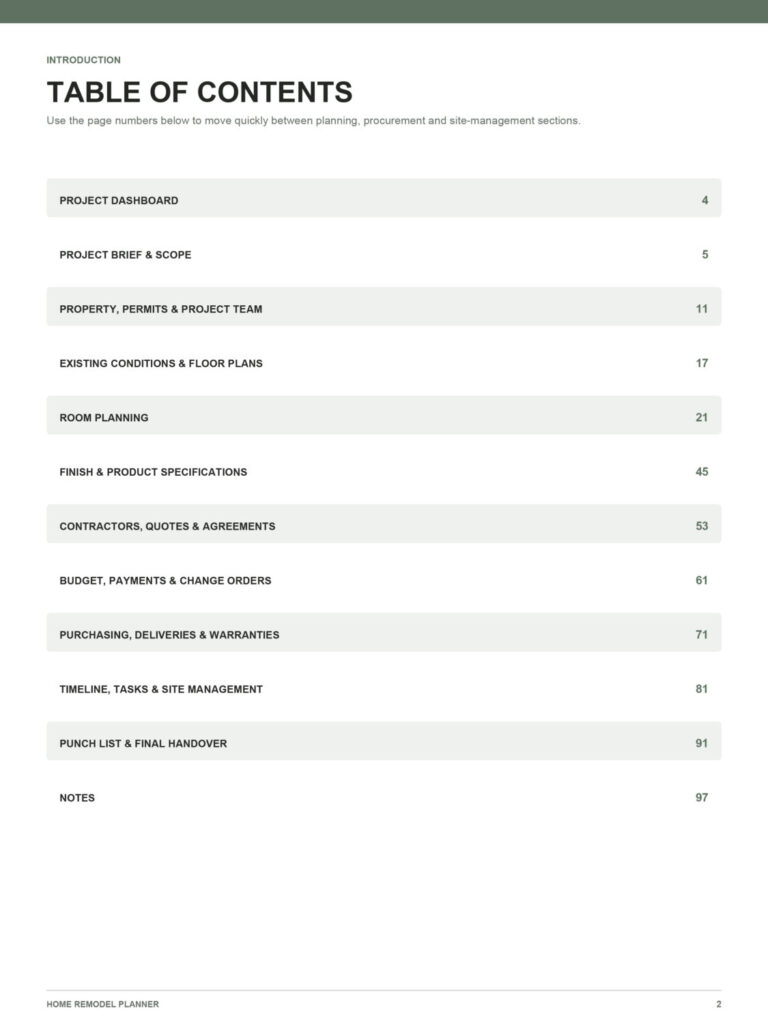
This simple-to-use home renovation planner will help you to accomplish everything smoothly and easily by keeping a record of every important detail in one place.
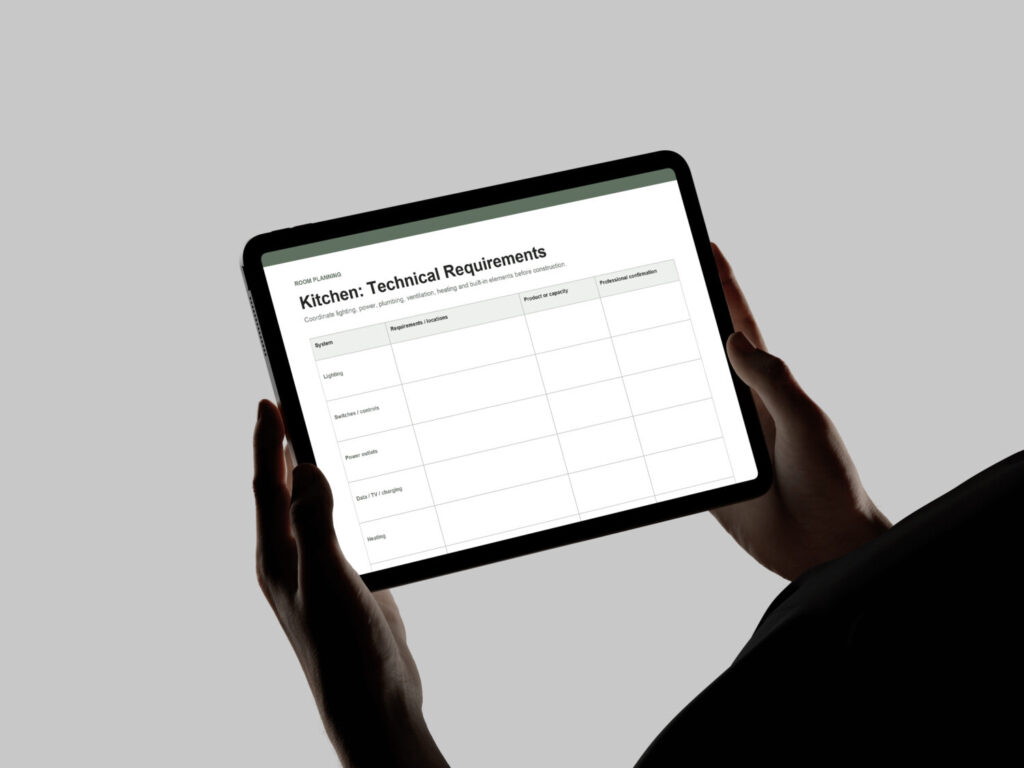
This house remodel planner is divided into five parts – five rooms.
For each room you will have enough space to record:
– goals to be accomplished
– inspirations (place for images to be printed out and glued into the planner)
– dot grid pages to sketch your new plan of arranging furniture or making structural changes
– tasks that need to be done
– budget
– materials, finishes, and details
– suppliers for sourcing materials, finishes, and items
– contractors
– two pages to print and store fun pictures of the process
– notes and lessons learned