Pet friendly home design works best when it is planned around real daily routines, not just cute beds and matching food bowls. Muddy paws, shedding, litter boxes, feeding areas, leash storage, and pet sleeping spots all affect how a home feels and functions. The good news is that a pet-friendly house can still look polished, calm, and thoughtfully designed when those needs are built into the layout from the start.
From laundry room pet washing stations to mudroom storage, built-in feeding zones, cozy sleep nooks, and easy-clean flooring, small planning choices can make everyday life easier for both pets and people. These pet friendly home design ideas will help you create a home that feels stylish, practical, and ready for real life with dogs, cats, or both.
Posh Chic Cool is a participant in the Amazon Services LLC Associates Program, an affiliate advertising program designed to provide a means for sites to earn advertising fees by advertising and linking to Amazon.com. As an Amazon Associate, I earn from qualifying purchases at no extra cost to you. Disclaimer, Privacy Policy and Terms and Conditions
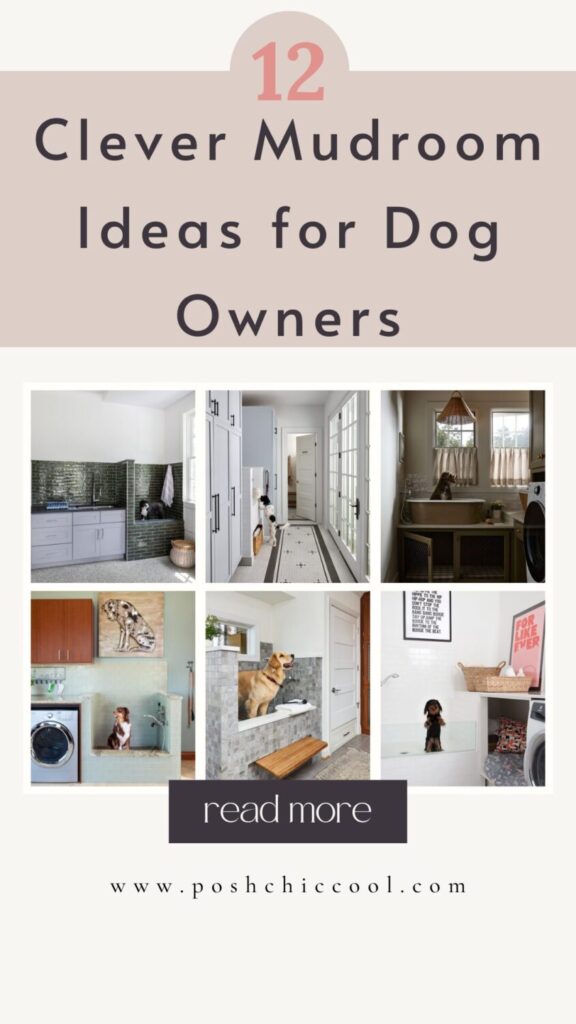
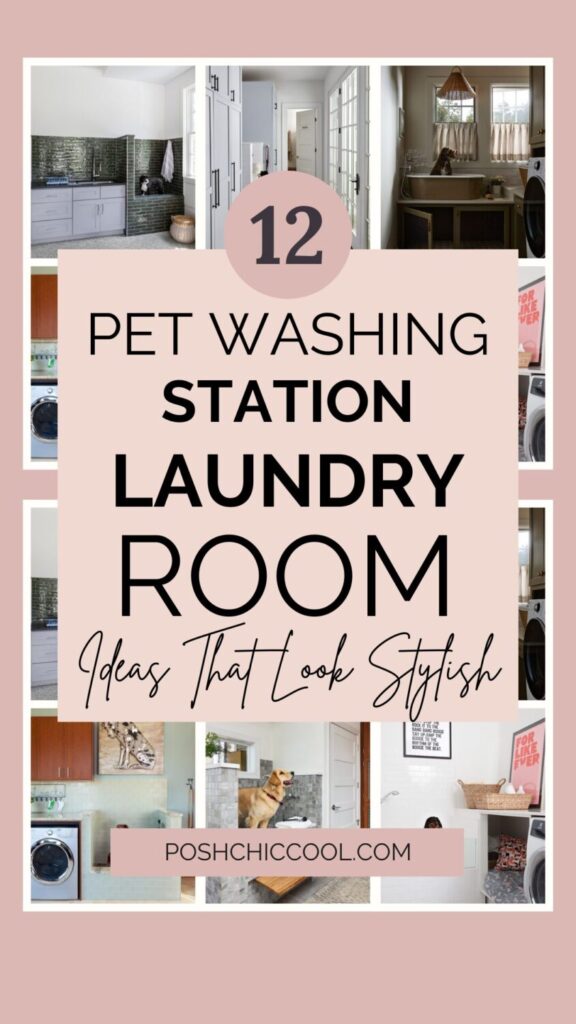
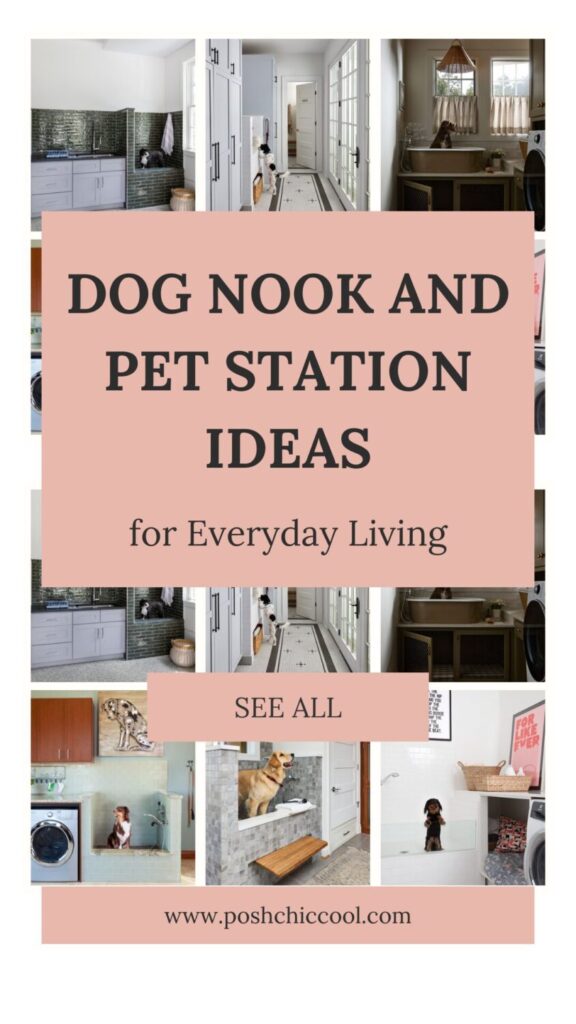
1. Add a Pet Washing Station in the Laundry Room or Mudroom
A pet wash station is one of the most practical upgrades for dog owners, especially if the home has a yard, garden, or nearby walking trails.
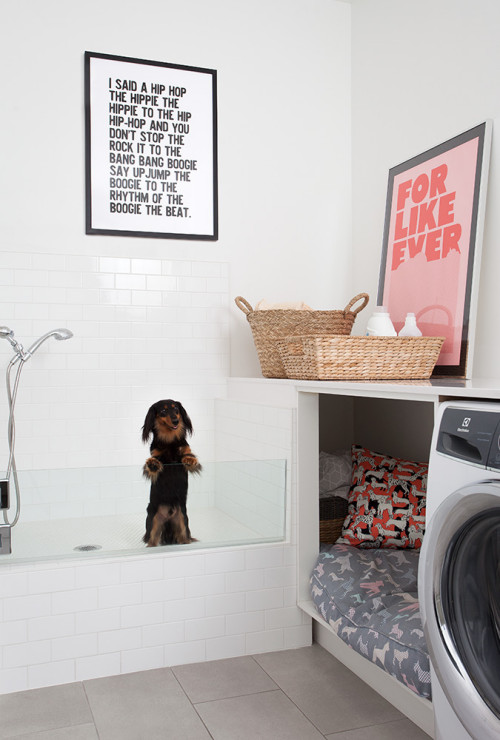
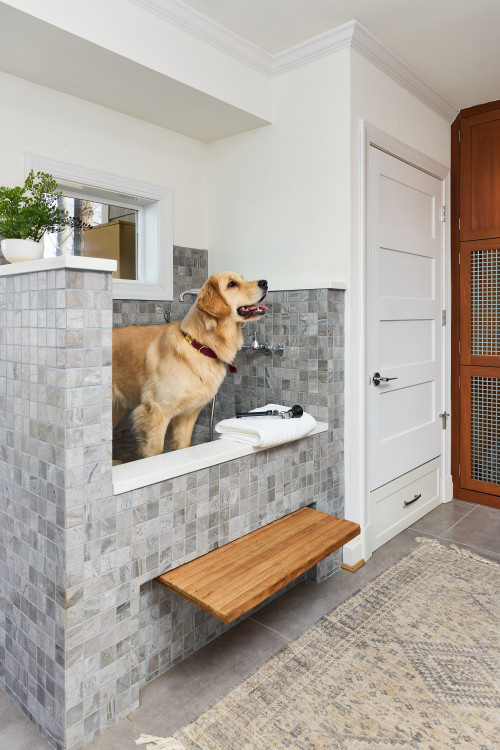
Ideally, you want to plan for it from the beginning – maybe a built-in shower-like pet washing station?
If built-in solution is not an option, you can go for free-standing pet washing station. Some of them are made of stainless steel that has better hygienic profile:
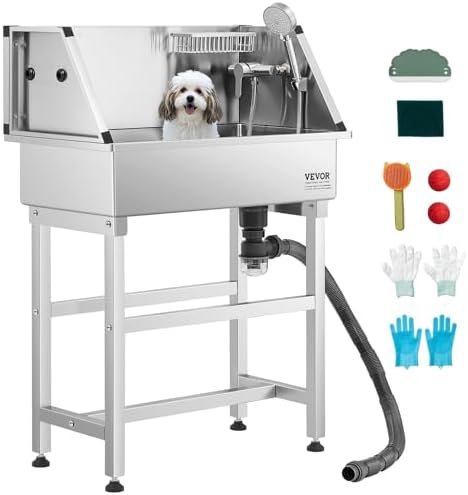
- Integrated Design: This compact stainless steel pet bath tub is ideal for small pets’ showering and cleaning needs. It s…
- Rounded Corner Welding: The unique rounded corner welding technique ensures a tight, leak-free seal. Carefully selected …
- Stable Weight Capacity of 175 lbs (79 kg): Suitable for pets up to 175 lbs (79 kg) in weight and 34″ (86 cm) in size, su…
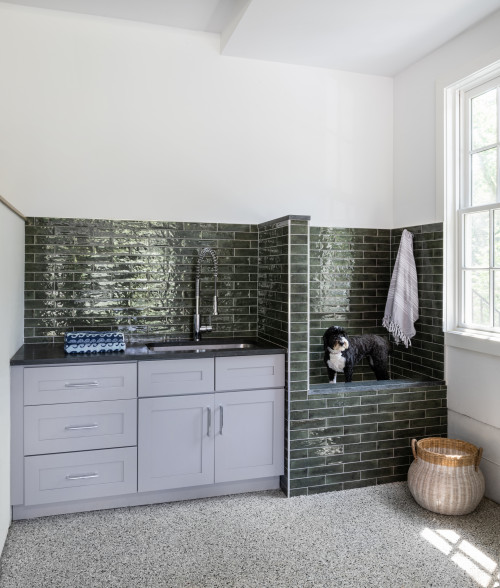
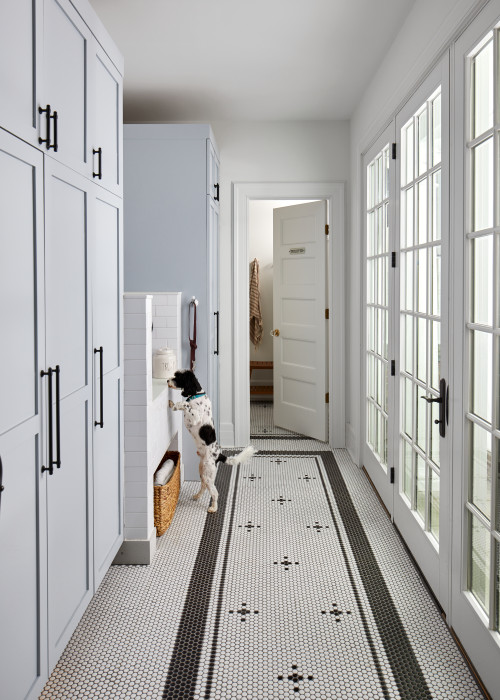
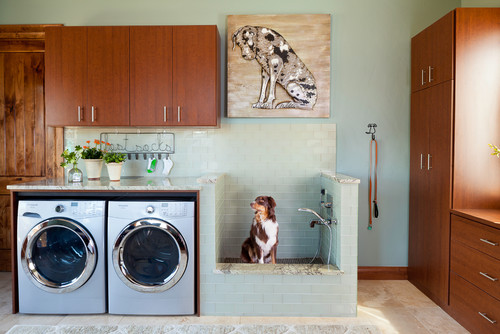
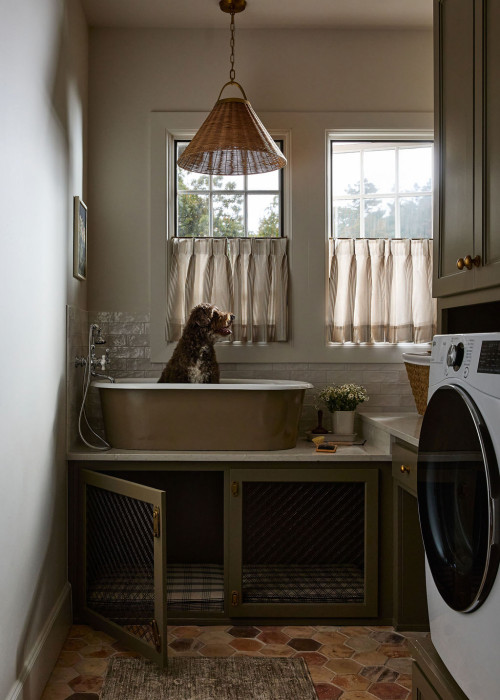
The best location is usually near a back door, mudroom, garage entry, or laundry room so dirty paws do not travel through the house. A low tiled shower area, handheld sprayer, waterproof wall finish, and nearby towel storage can make bathing and paw rinsing much easier. For smaller dogs, a raised wash station may be more comfortable; for large dogs, a walk-in style station is usually better.
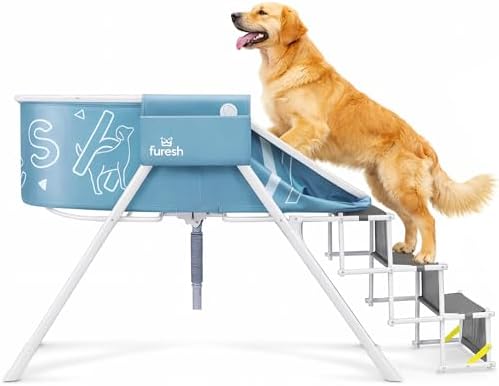
- 【PERFECT WASHING & GROOMING HEIGHT】 No need to painful stoop for the normal tub – the elevated tub puts pets at the perf…
- 【FOLD IN SECONDS】Thanks to lightweight construction and patented folding mechanism, the tub can fold and deploy with one…
- 【BATHTUB WITH FOLDABLE STAIRS】The bathtub with foldable stairs can let large dog enter bathtub by itself, instead of dif…
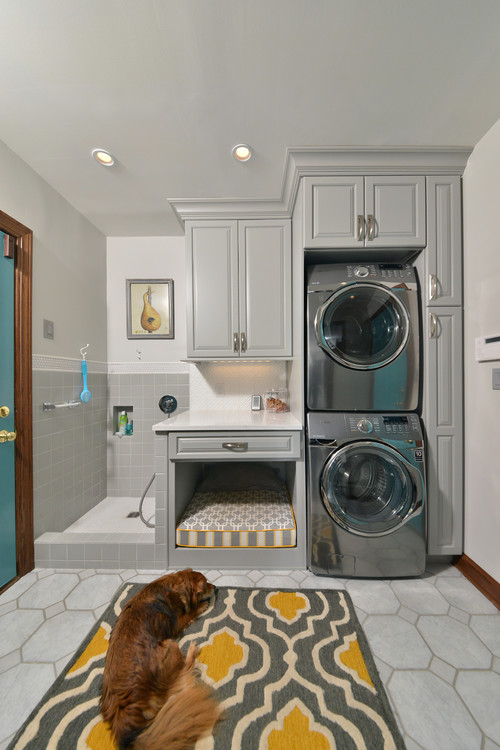
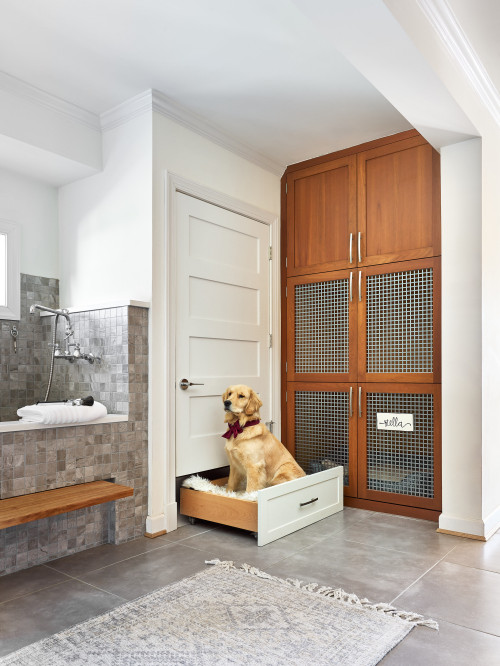
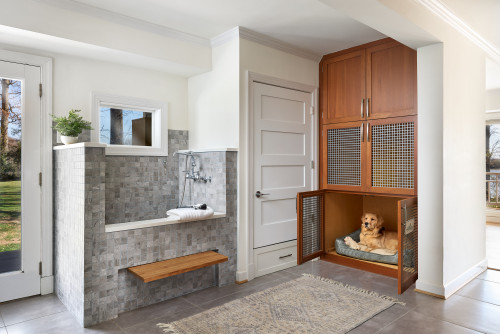
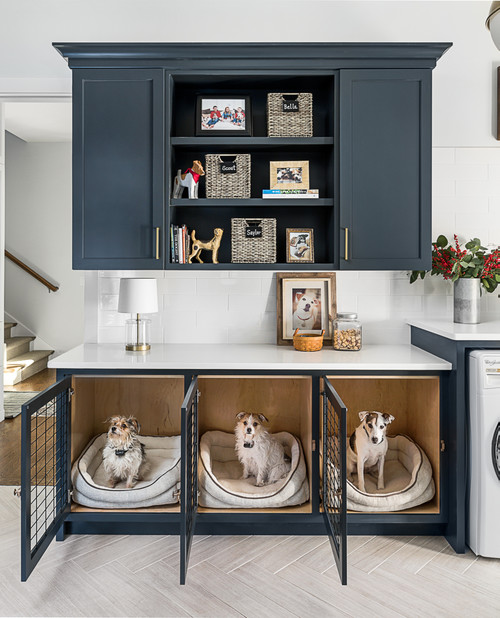
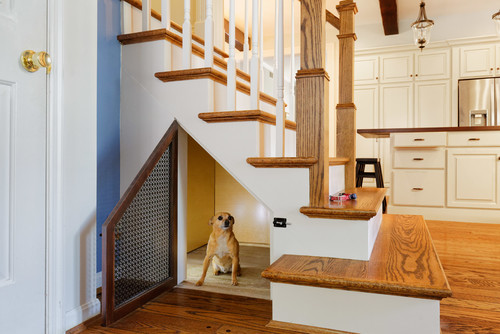
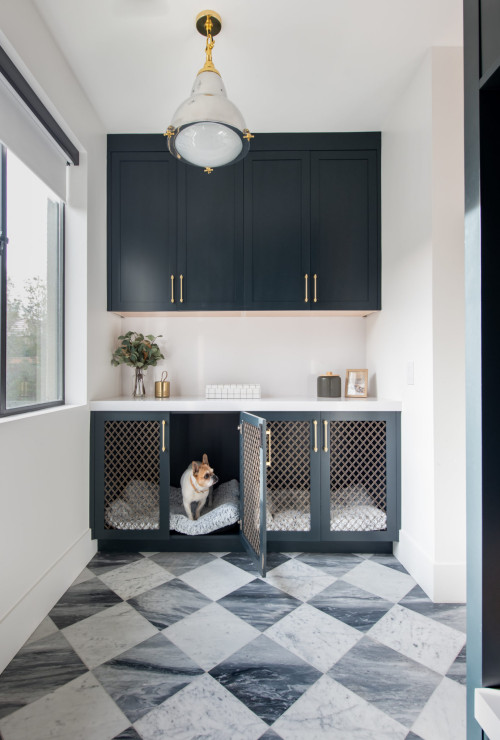
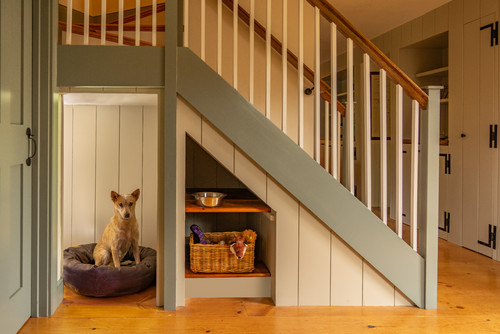
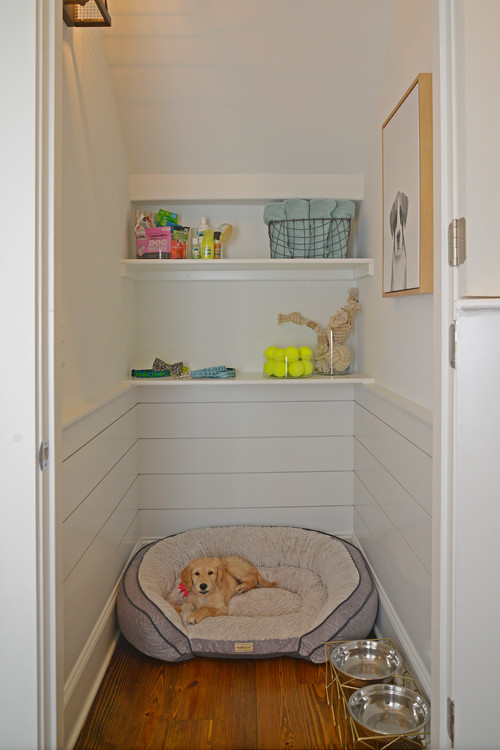
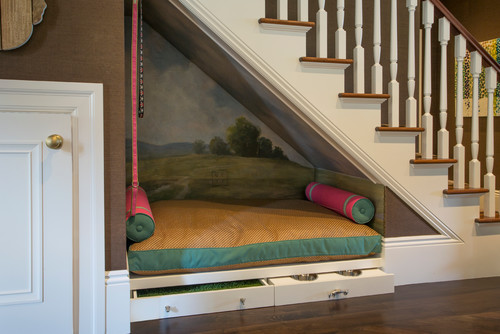
2. Plan a Dedicated Pet Sleeping Zone
Instead of placing pet beds wherever there is leftover space, the home can be planned with a calm sleeping spot from the beginning.

- 【STURDY WOODEN DOG HOUSE – NO COLLAPSING】 Unlike ordinary foam-based pet houses, our indoor dog house features a premium…
- 【COZY CAT CAVE & DOG BED RETREAT】 This dog bed cave creates a private, warm environment that helps relieve pet anxiety. …
- 【BREATHABLE CANVAS PET TENT】 Crafted from high-quality linen-cotton, our pet tent is significantly more breathable than …

- Love Your Puppy: Warm home may bring a sense of safety. When you go to work, nothing gets broken when the puppy stays in…
- Meet What You Desire: With drawer storage function, dog food, dog shovel, dog toys, etc. are at a place. The dog house u…
- Wide Top Design: This furniture-style dog cage has a large and durable top, and it provides a smooth surface. Why not ad…
Dogs often do well in a quiet corner of the living room, mudroom, bedroom, or under-stair nook, depending on how close they like to be to the family. Built-in dog bed niches can work especially well in mudrooms, family rooms, kitchen corners, or unused alcoves. The goal is to give pets a place that feels connected to the home without blocking walkways or making the room feel cluttered.
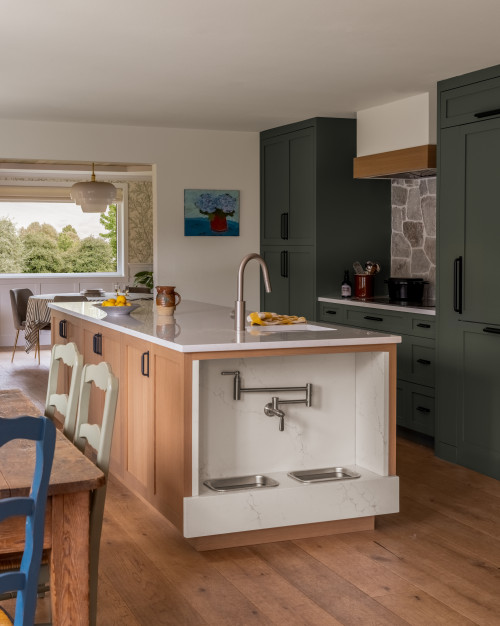
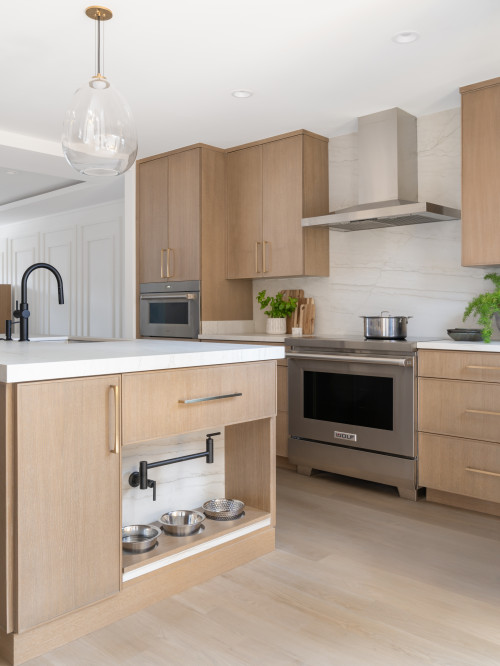
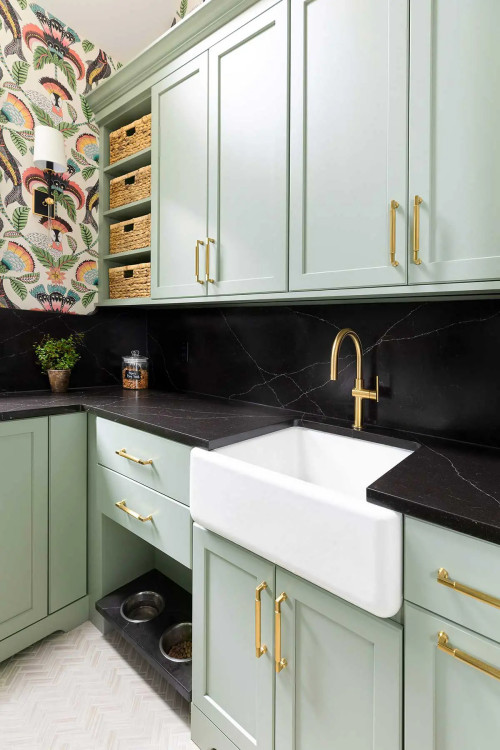
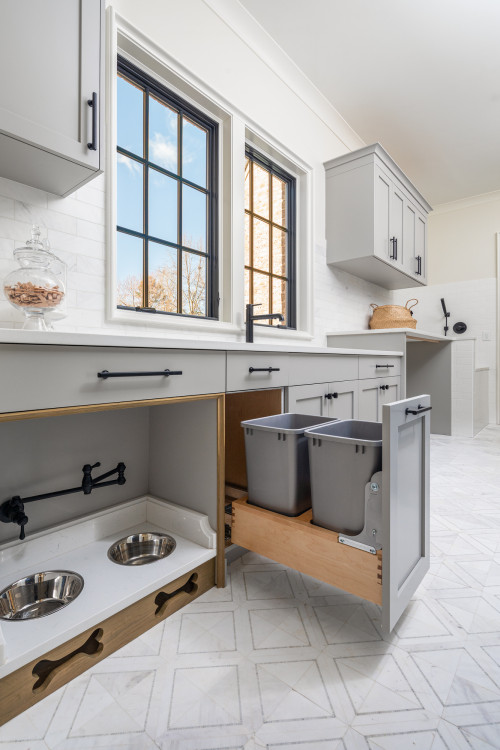
3. Create a Built-In Feeding Station
Food and water bowls often end up in awkward spots, so a planned feeding zone can make the house feel much cleaner.
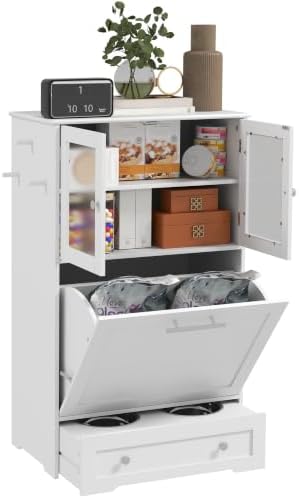
- Hidden Feeding Design: This pet storage cabinet features a concealable bottom bowl rack, allowing for controlled feeding…
- Spacious Storage: Equipped with two cabinets and a tabletop, the upper cabinet’s panel can be adjusted at three heights….
- Robust Materials: Constructed from MDF, the dog bowls are made of stainless steel. An anti-tip kit complements this dog …
A good location might be at the end of a kitchen island, inside a mudroom cabinet run, in a walk-in pantry, or along a low cabinet wall. Built-in bowl drawers can look neat, but an open recessed area is often more practical for everyday use. The key is to choose a spot with easy-to-clean flooring, nearby food storage, and enough clearance so people are not stepping over bowls all day.
4. Include Pet Food and Supply Storage
Pet-friendly homes need storage for food, treats, leashes, grooming tools, waste bags, medication, toys, blankets, and seasonal gear.
A mudroom, laundry room, pantry, or utility cabinet can become a pet care hub with pull-out bins, hooks, labeled drawers, and tall storage for bulk food. This is especially helpful for larger dogs or multi-pet homes where supplies can quickly take over kitchen counters and entryways.
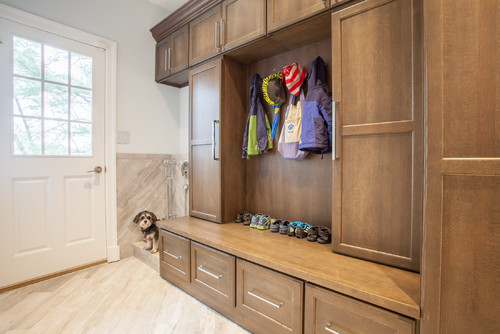
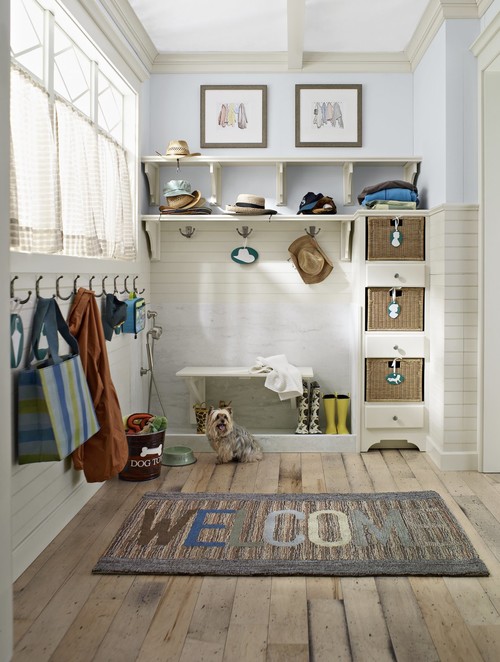
5. Design an Entry Zone for Muddy Paws
For dogs, the entry sequence matters. A pet-friendly floor plan should think about what happens the moment a pet comes in from outside.

- Great Value & Chic Style: This hallway runner rug adds a vibrant touch to your living room with its beautiful colors and…
- Non-Slip Backing: Our stain-resistant rugs feature a non-slip backing that prevents slipping and skidding. This design h…
- Soft & Well-Designed: This low-pile hallway runner features a solid edge design, making it ultra-soft yet durable enough…
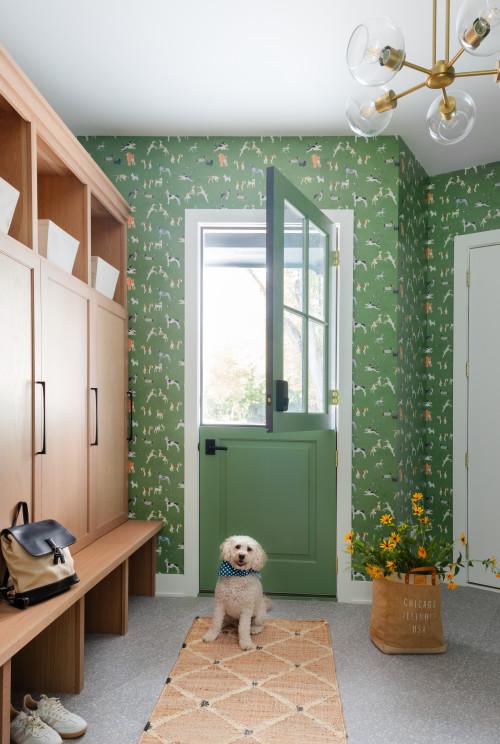
Ideally, there is a hard-wearing floor, a washable runner, hooks for leashes, towel storage, and maybe direct access to a laundry sink or pet shower. This kind of transition zone keeps dirt, rain, and grass from moving straight into the living room.
6. Think Carefully About Where the Litter Box Goes
For cats, litter box placement is one of the biggest home planning issues. It needs to be accessible, private, well-ventilated, and easy to clean.
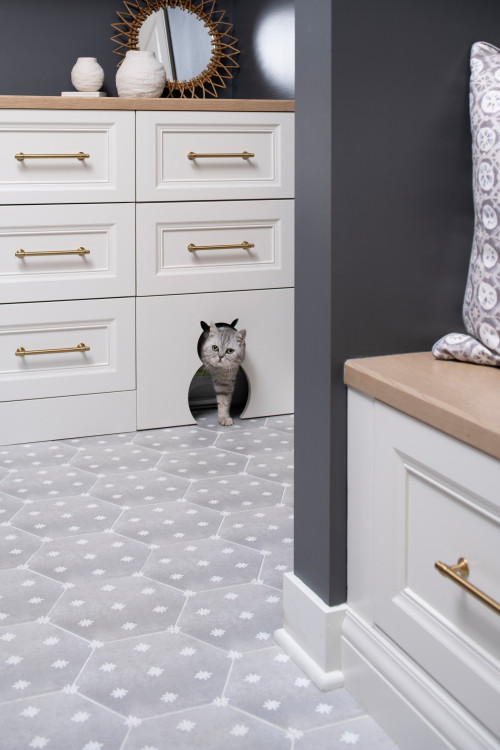
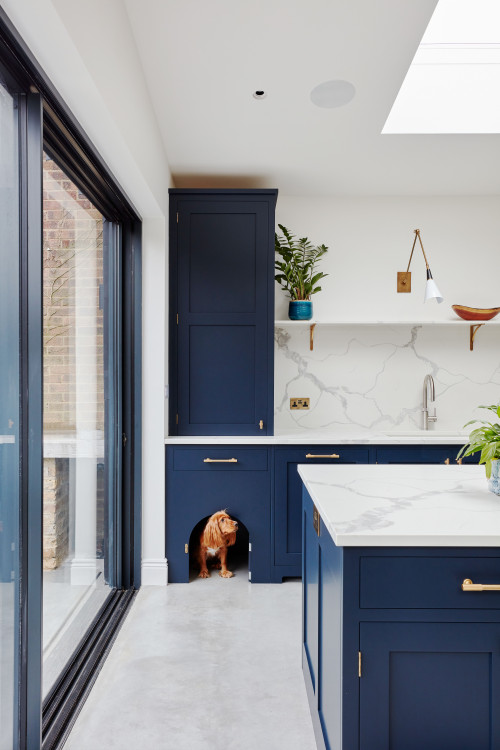
Consider turning the boddom drawer into a private space to conceal the friend’s litter box!
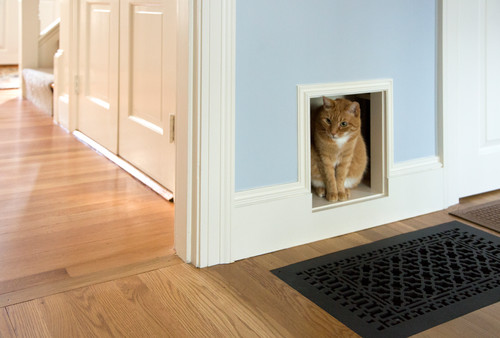
Good locations can include a laundry room, bathroom, mudroom, closet conversion, or custom cabinet with an entry opening. The worst locations are usually noisy, hard-to-reach, or too close to food areas. A smart design can hide the litter box visually while still making it comfortable for the cat.
Another great solution is to conceal the litter box within a side table or a dresser:

- MODERN LITTER BOX: Features a classic mid-century design with a mocha walnut finish and black accents for a modern addit…
- MULTIPLE USES: More than just use as a litter box hidden or a pet bed while also functioning as a side table putting in …
- EASY INSTALLATION: Instruction manual and all of the hardware needed for installation are included for quick assembly.

- 【Large Space】The large litter box enclosure has external measures 31.5 x 18.1 x 19.7 in, fitting litter boxes up to 28.3…
- 【Door Can Install Left and Right】This brown cat litter hideaway features a litter cabinet reversible entrance to fit nea…
- 【Exquisite Fluted Design】 Walnut finish with grooved design, this decorative cat washroom furniture blends into modern o…
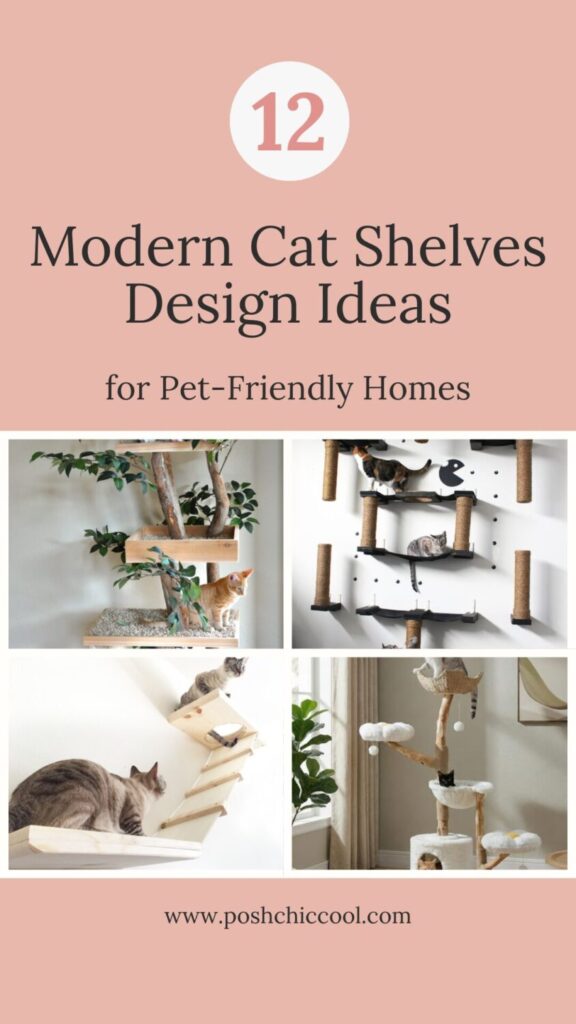
7. Add Cat-Friendly Vertical Space
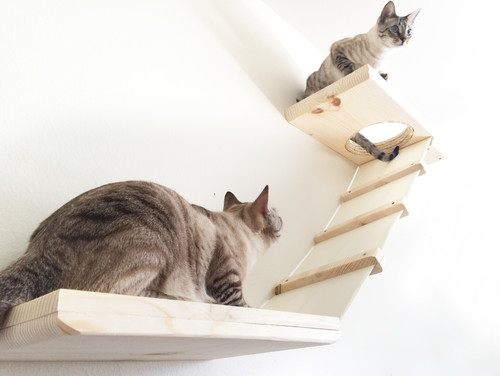
A pet-friendly home for cats should include more than a litter box and scratching post. Cats often need vertical territory, window access, and quiet perches.
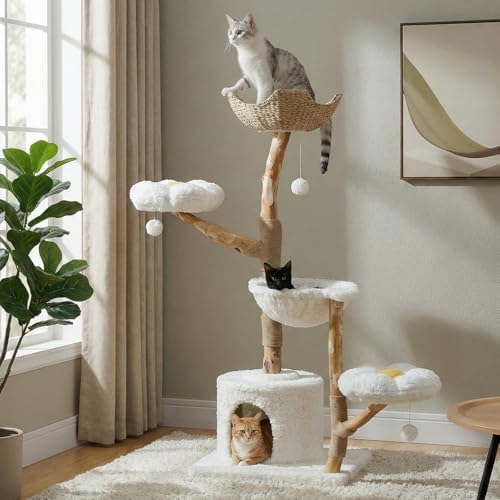
- The cat tree’s posts and boards are made from FSC-Certified wood. LUXURY MEETS MODERN DESIGN: This 59-inch modern cat tr…
- FOR LARGE CATS WEIGHING UP TO 25 POUNDS: This wood cat tower is designed to accommodate 4–5 large cats, each weighing up…
- TRIPLE BASE – 100% STABILITY & SAFETY: Built for stability, this solid wood cat tree for large cats features a triple-th…
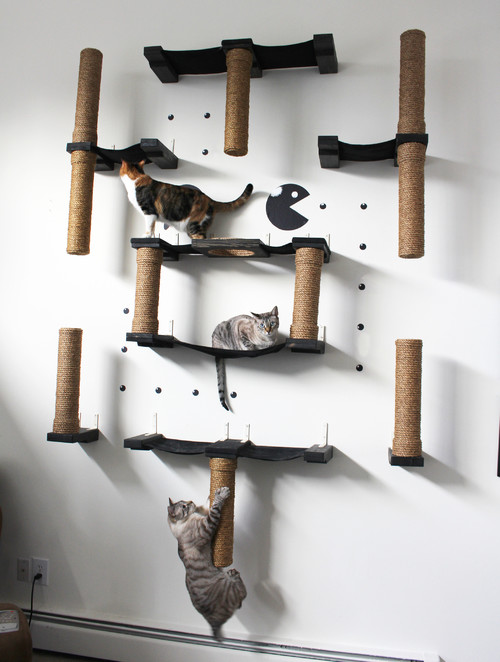
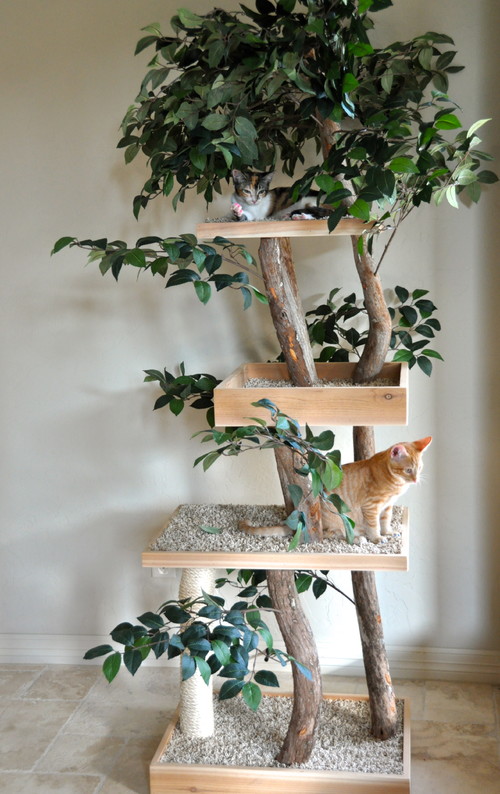
Built-in shelves, low-profile wall steps, window seats, or furniture layouts that allow climbing can help cats feel secure without filling the room with bulky pet furniture.
8. Plan Safe Outdoor Access
If the home has a yard, patio, or balcony, outdoor access should be part of the planning conversation.
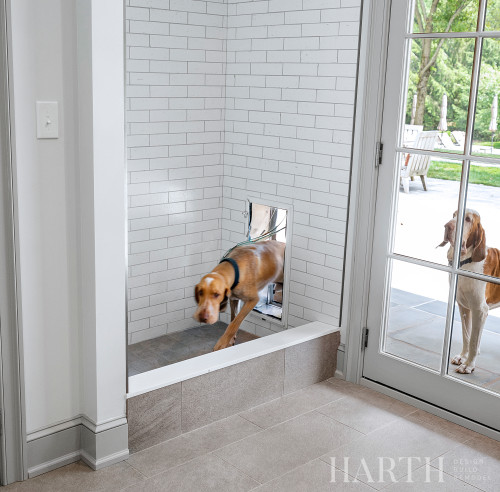
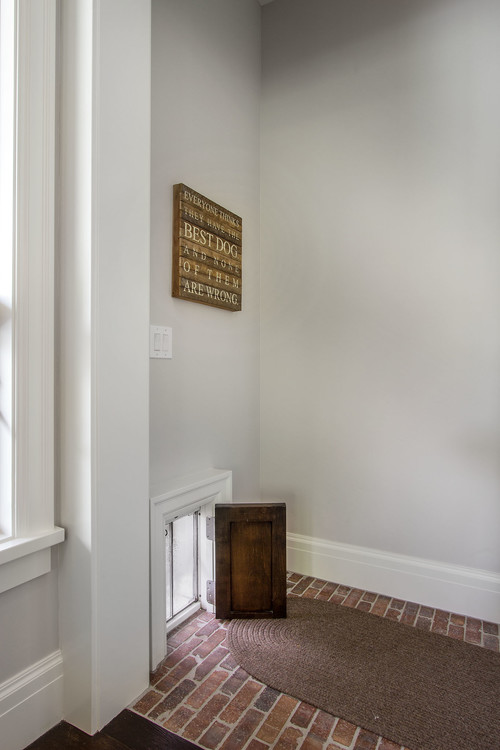
Dog doors, fenced areas, screened porches, enclosed patios, and catios can all make the home more pet-friendly. The best option depends on the pet, climate, neighborhood, and security needs. A well-planned outdoor connection can reduce mess inside and give pets more freedom without sacrificing safety.
9. Choose Flooring Based on Pet Traffic Patterns
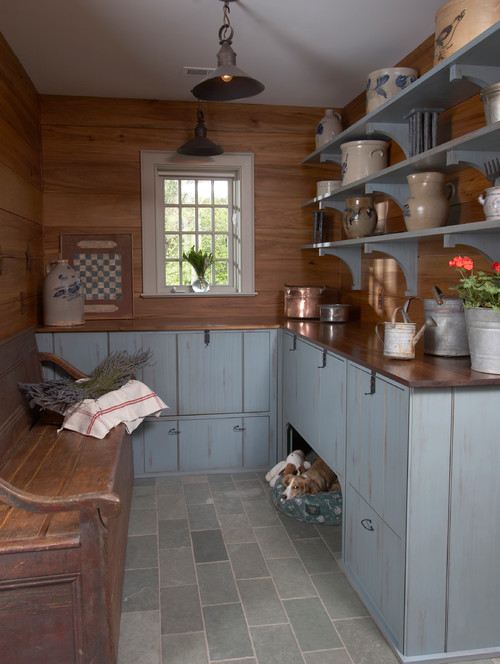
From a planning perspective, flooring should match how pets move through the house. Entryways, kitchens, laundry rooms, hallways, and pet zones need the most durable and washable surfaces.
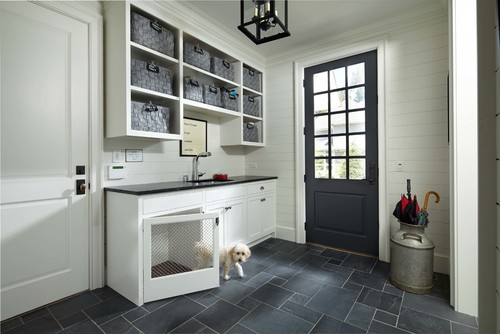
Photo by Murphy & Co. Design – Browse entryway photos
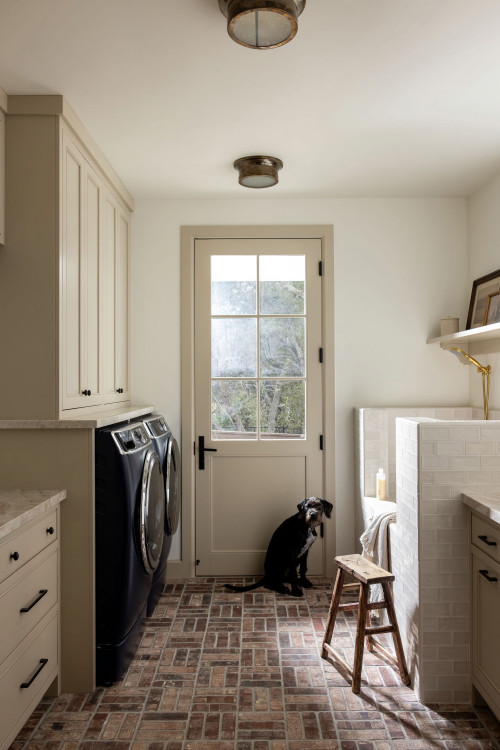
Bedrooms and living areas may call for softer materials, but washable rugs and low-pile options are usually easier to maintain.
10. Use Pocket Gates, Half Doors, or Zoned Layouts
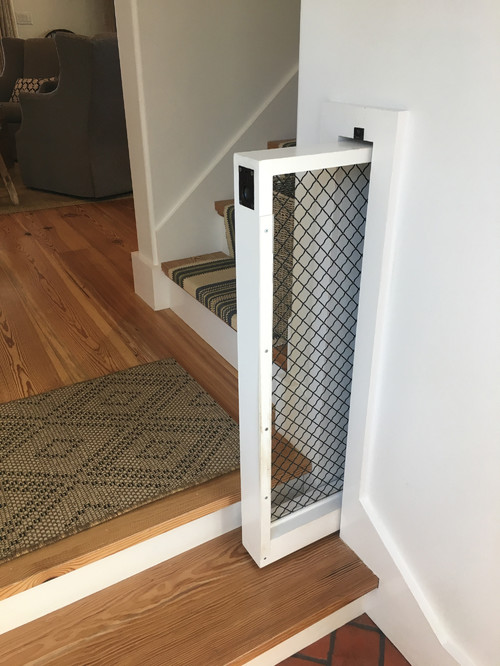
Pet gates do not have to be plastic afterthoughts. During a renovation, you can plan for pocket gates, Dutch doors, half doors, or discreet built-in gates that separate pets when needed.

- MEASURE YOUR DOOR SIZE FIRST: Designed to fit doors up to 38 x 82 inches, this magnetic screen door mesh works on standa…
- MODERN MESH WITH NO VISIBLE LINES: Made with reinforced fine-weave mesh, this upgraded mesh magnetic door screen is desi…
- EASY INSTALL (UNDER 9 MINUTES) & WIND RESISTANT: Comes with a full hook & loop kit for secure installation, removal, and…
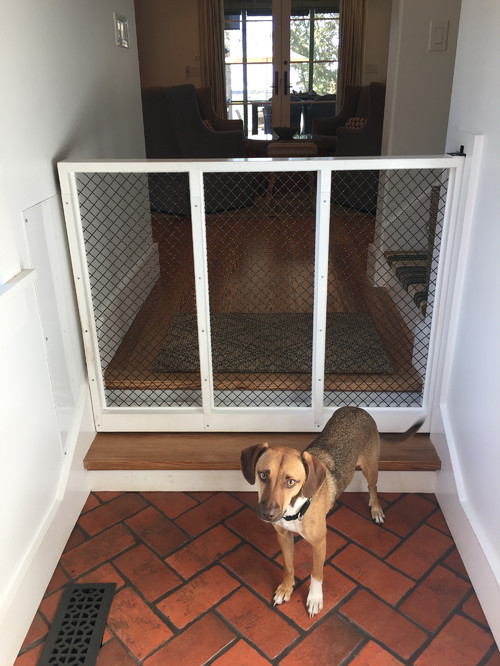
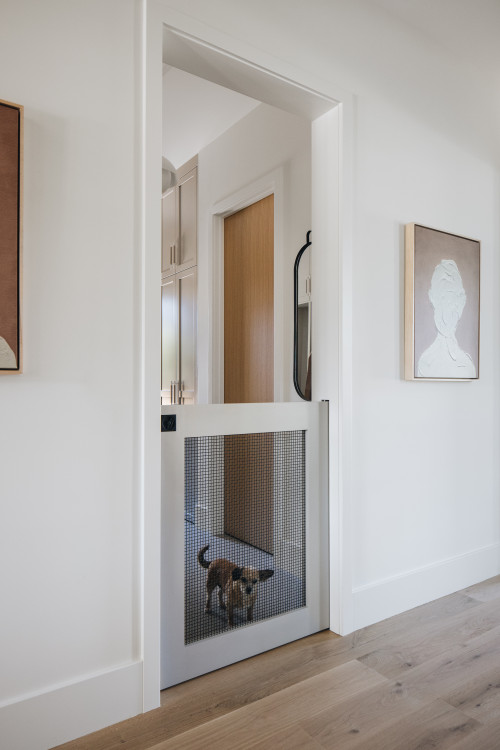
This is useful near stairs, kitchens, nurseries, home offices, guest rooms, or formal living areas. It also helps during training, cleaning, mealtimes, or when guests visit.
11. Design Around Aging Pets
A truly pet-friendly home should also consider older pets. Slippery stairs, high beds, sharp transitions, and hard-to-access outdoor areas can become problems over time. Lower sleeping zones, ramps, non-slip flooring, wider circulation paths, and easy access to water can make the home more comfortable as pets age.
12. Keep Pet Areas Close to Daily Routines
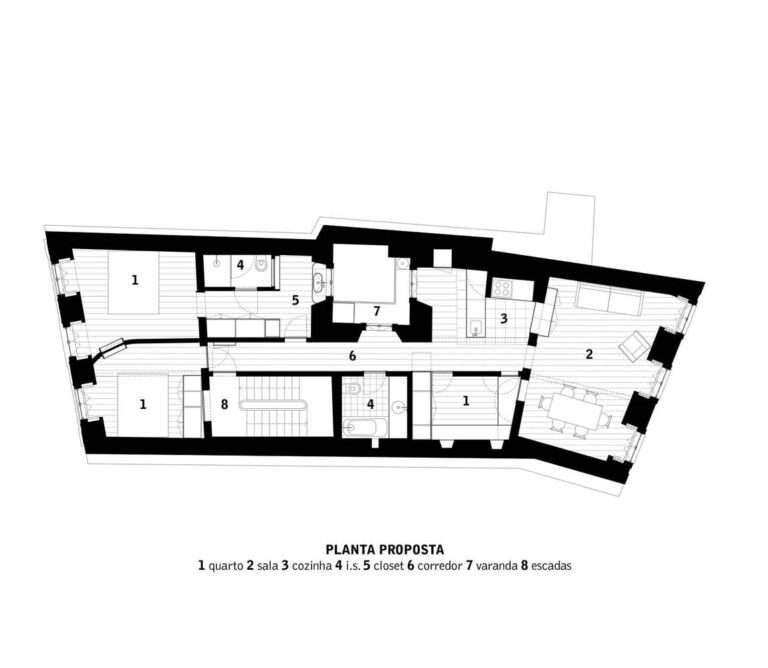
The best pet-friendly spaces are not hidden so far away that they become inconvenient. A feeding station should be near food storage. A washing station should be near an entry. A leash zone should be near the door used for walks. A sleeping zone should reflect where the pet naturally wants to rest. Good pet-friendly design is less about adding cute features and more about placing each feature where it actually supports daily life.
Conclusion
A pet-friendly home does not have to feel like a house designed around pet clutter. With the right planning, everyday features like laundry rooms, mudrooms, feeding areas, storage zones, and cozy sleeping spots can make life easier without taking away from the style of the home. The best pet friendly home design ideas are the ones that support the way your household actually lives, from rinsing muddy paws near the door to keeping food, leashes, toys, and grooming supplies close at hand.