This blog post is all about sage green bedroom color combinations.
Sage green has a calm, understated quality that makes it a natural fit for bedrooms, but the colors you pair with it can completely change how the room feels. Some combinations make sage green look warmer and softer, while others give it more contrast or bring out its muted, earthy side. The challenge is finding shades that work with the green without making the space feel dull, overly cool, or disconnected.
A good color pairing should make the room feel intentional and give you a clear direction for bedding, furniture, curtains, rugs, and smaller decor. In this post, you’ll find 12 colors that work especially well with sage green, plus practical ideas for using each combination in a bedroom.
Posh Chic Cool is a participant in the Amazon Services LLC Associates Program, an affiliate advertising program designed to provide a means for sites to earn advertising fees by advertising and linking to Amazon.com. As an Amazon Associate, I earn from qualifying purchases at no extra cost to you. Disclaimer, Privacy Policy and Terms and Conditions
But first, what is sage green and why is it so popular for bedrooms?
Sage green is a muted green with soft gray undertones, which gives it a quieter, more natural look than brighter greens. It takes its name from the dusty color of sage leaves and sits comfortably between earthy and neutral tones, which is part of what makes it so easy to decorate with.
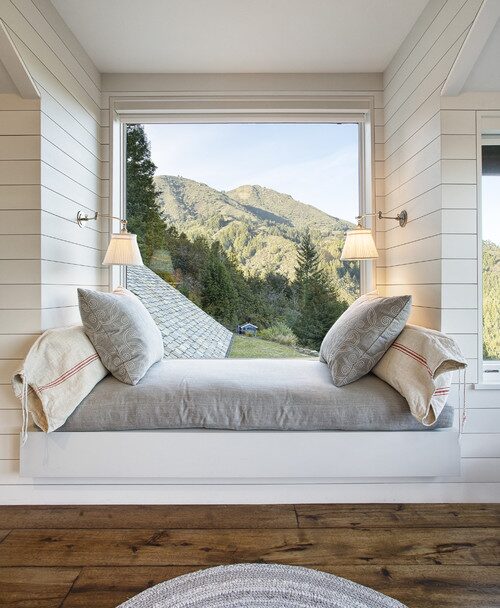
For bedrooms, its appeal comes down to atmosphere. Sage green has enough color to give the room character, but it rarely feels visually overwhelming. Its muted quality helps create a calm, restful backdrop, and it pairs well with materials commonly used in bedrooms, such as warm wood, linen, wool, cream upholstery, and natural woven textures.
It can also lean warmer or cooler depending on the colors placed beside it, so the same sage green can feel soft and cozy in one room and more tailored in another. That flexibility is one of the main reasons it has become such a popular bedroom color.
You will also like:
How to Make a Small Bedroom Feel Bigger: 11 Smart Design Tips
Cozy Bedroom Aesthetic ideas that would make you want to stay in whole day
How to choose Bedroom Colors like a pro
Accessories that Bring the Moody Bedroom Vibe to Life: Rugs, Pillows, and Art
How to choose the colors next to the sage green
Before you start choosing accent colors, take a closer look at the sage green you already have. Some shades lean warmer and more olive, while others have cooler gray undertones. That small difference can change which colors feel most natural beside it.
The light in the room matters too. Sage green can look fresh and soft in a bright bedroom, then noticeably grayer or moodier in a space with less natural light. Looking at the shade at different times of day can help you avoid choosing a pairing that feels off once everything is in place.
It also helps to think about how much sage green is already in the room. Sage walls create a much stronger color presence than a duvet, throw, or upholstered headboard. The more sage you use, the more important it becomes to balance it with the right neutrals, wood tones, and contrasting shades.
Once you have a sense of the undertone, lighting, and overall amount of green in the space, the color combinations become much easier to narrow down. The right pairing can make sage green feel softer, warmer, richer, or more dramatic, depending on the look you want for the bedroom.
1. Warm Up Sage Green With Clay and Terracotta Tones
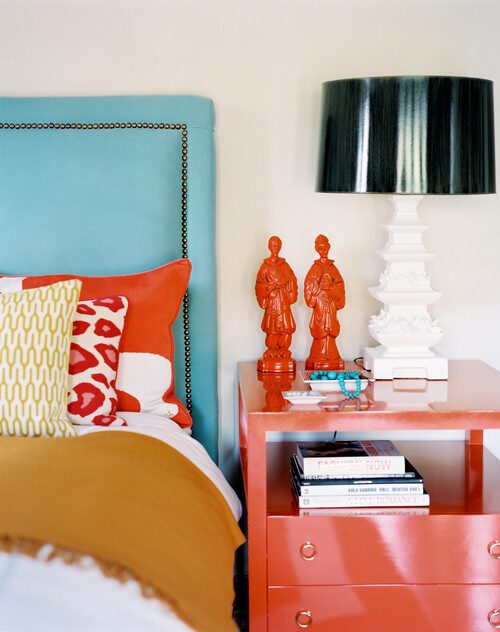
If your sage green bedroom feels a little too cool, clay and terracotta tones can add warmth without overpowering the space. Try bringing them in through bedding, cushions, or throws, then soften the palette with cream or warm tan accents. These earthy shades sit naturally beside sage because they share the same muted, grounded quality. Keep the terracotta slightly dusty rather than bright, and the room will feel cozy, relaxed, and easy to layer.
2. Add Contrast With Sage Green and Navy Blue
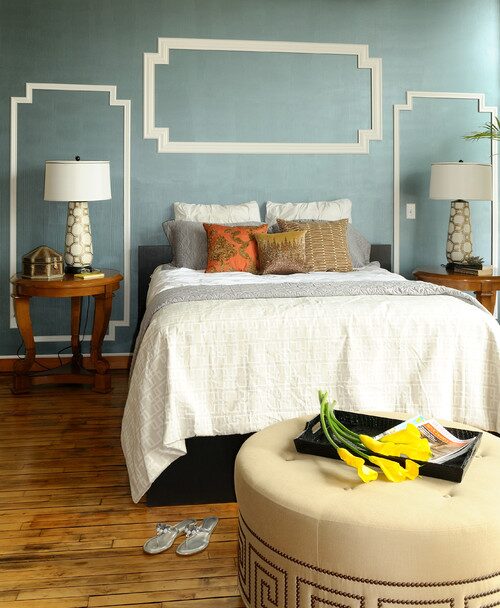
If you want your sage green bedroom to feel a little sharper and more defined, navy blue is an easy way to add contrast. You can use it in a smaller dose with a headboard or bedding, or make it more dominant with darker blue walls and let sage soften the overall look.
You can definitely push the palette beyond sage and navy without making it feel random. The safest additions are colors that either soften the contrast or repeat the earthy quality of sage.
- Warm white or cream keeps the palette light and gives the darker blue some breathing room.
- Camel, tan, and warm brown work especially well through wood furniture, woven baskets, leather, or bedding.
- Muted rust or burnt orange adds warmth and gives the scheme a more collected feel. The small orange accents in your reference images are a good example.
- Dusty lilac or muted plum can work as a secondary accent if you want something less expected. Keep it soft rather than saturated.
- Olive or deeper green adds another layer without fighting the sage, especially in furniture or small decor.
- Soft sky blue can bridge the gap between sage and navy and make the palette feel more layered.
To keep it intentional, I would use sage + navy as the main pairing, then choose one warm supporting color such as tan or rust and one light neutral such as cream. That gives you enough variation without letting the bedroom turn into a mix of unrelated colors.
3. Use Forest Green to Add Depth to Sage Green
If sage green feels a little too soft on its own, forest green can give the room more depth without changing the overall mood. Try using the darker shade on a feature wall, built-in detail, furniture, or smaller accents while keeping sage as the lighter base. The two greens feel naturally connected, so the contrast looks layered rather than harsh. Add warm tan, cane, or soft gray to break up the greens and keep the bedroom feeling balanced.
4. Add Warm Brown to Give Sage Green More Character
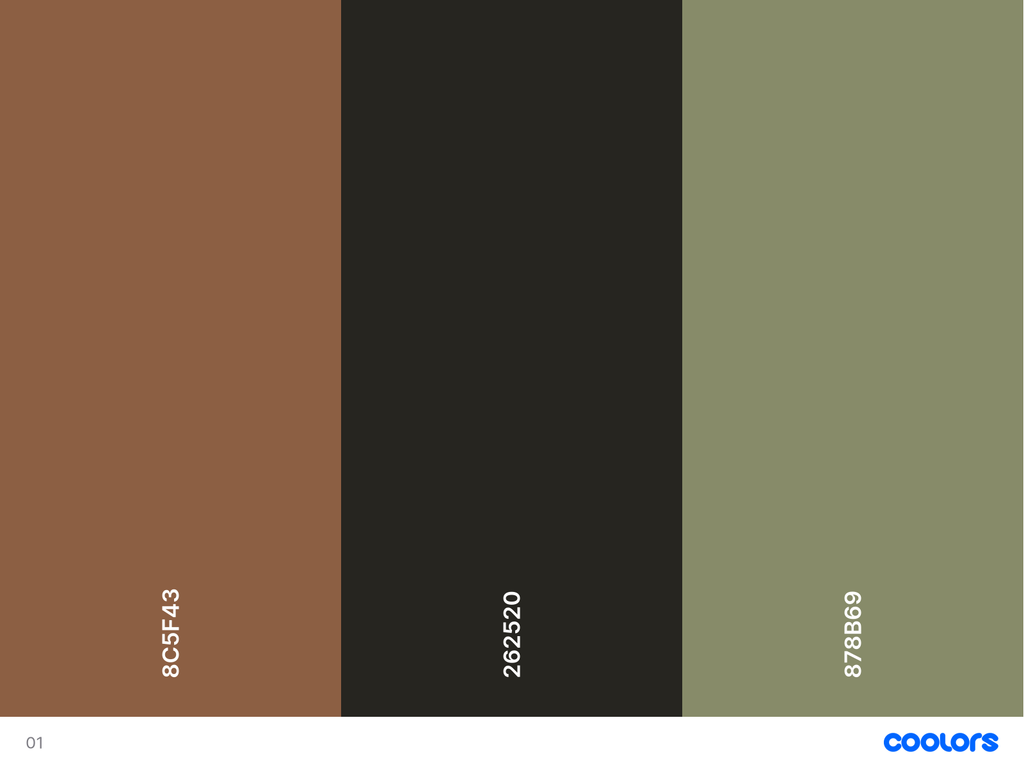
Warm brown is an easy way to keep sage green from feeling too pale or overly delicate. In a bedroom like this, wood furniture and a warm-toned mirror frame bring richness into the palette, while the sage walls keep everything calm. You can build on that contrast with cream bedding, deep green textiles, and small brass details, which help the room feel layered rather than heavily matched. Darker patterns work well here too, especially when they repeat some of the green already in the room. The result feels warmer, more collected, and a little more grown-up without losing the softness that makes sage green so appealing.
5. Sage Green + Plum for an Unexpected but Cozy Combination
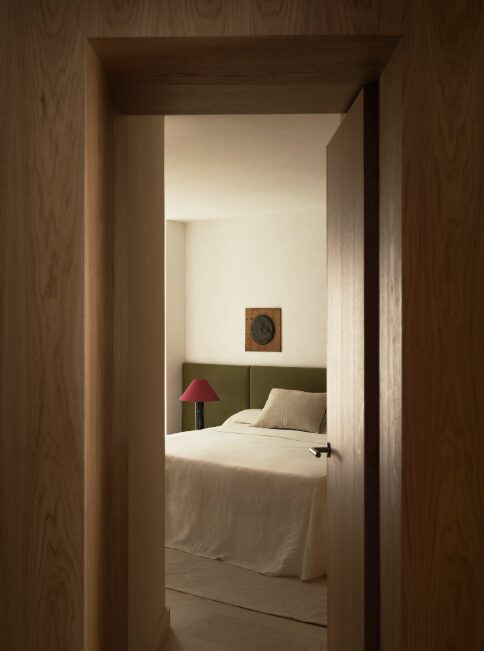
If you want sage green to feel a little richer, plum is a beautiful color to bring into the mix. It adds warmth and depth, but still feels soft enough for a bedroom. You do not need much of it either. A plum throw, patterned textile, or rug can shift the mood and make sage look more layered and interesting. This pairing works especially well with dark wood, aged black pieces, or earthy ceramics, which help the room feel grounded instead of sweet. If you like bedrooms that feel a little moodier and more collected, this is a combination worth trying.
6. Mix Sage Green With Striped Pink for a Prettier, More Relaxed Look
Pink can make sage green feel softer and more playful, especially when you bring it in through pattern rather than a solid block of color. A striped headboard is a great example because it adds warmth and visual interest without overwhelming the room. Keep the rest of the palette simple with white bedding, a little wood, and a few green accents so the pink still feels connected to the sage. If you want the combination to stay relaxed, choose a dusty or muted pink rather than something too bright.
7. Use Olive Green to Give Sage More Energy, add silver accent
If sage green feels a little too quiet on its own, olive green can wake it up without breaking the calm mood of the room. In a space like this, the sharper green trim and curtains give the softer wall color more definition, so the palette feels more intentional and a little more modern. White bedding helps keep everything light, while dark wood adds contrast and stops the greens from blending together.
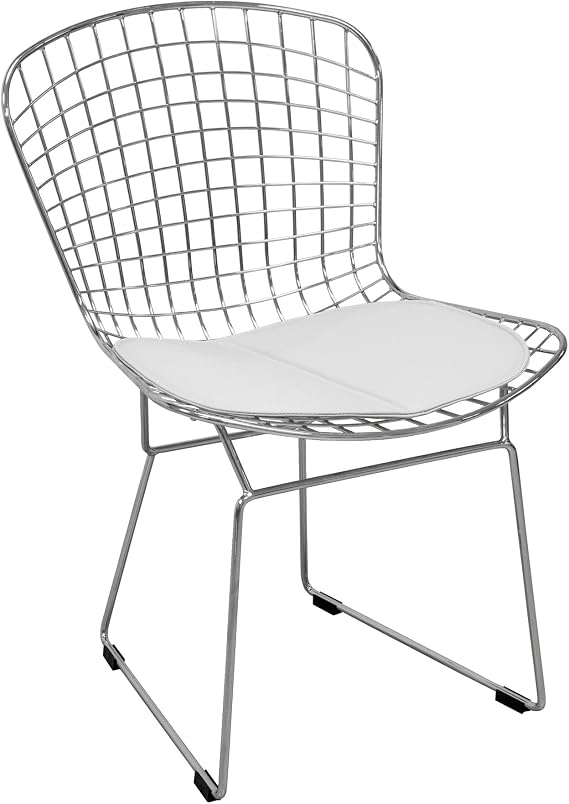
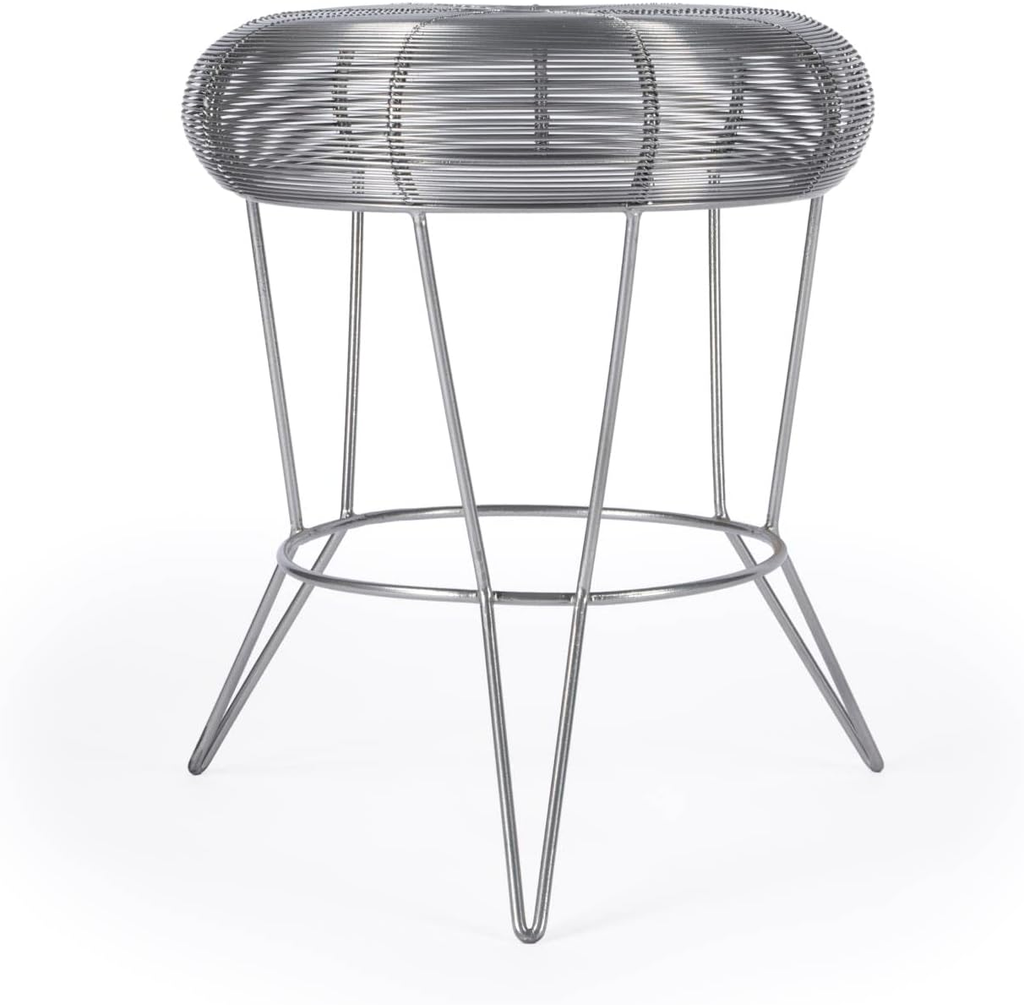
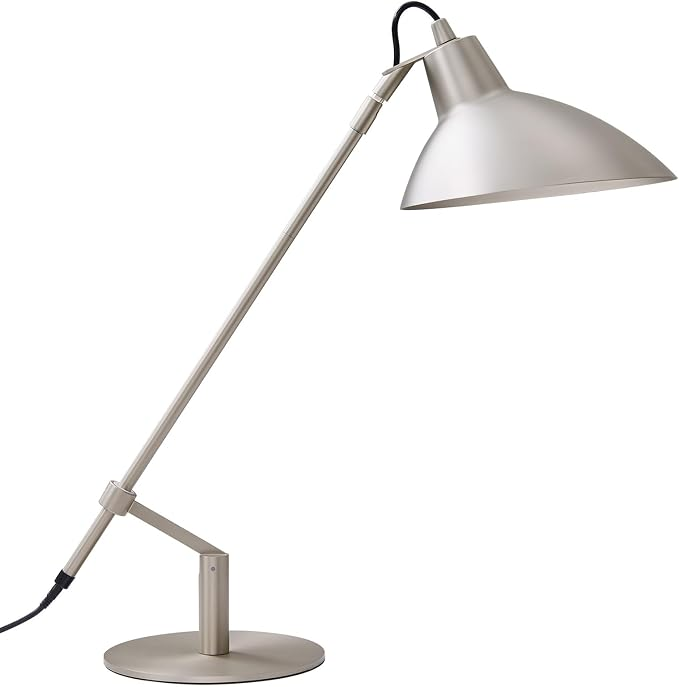
Silver accents are useful here too. A chair, lamp, frame, or small metal detail can bring in a cooler note that sharpens the overall look and adds just enough polish. This is a good approach if you like green bedrooms but want them to feel crisp and layered rather than soft all the way through.