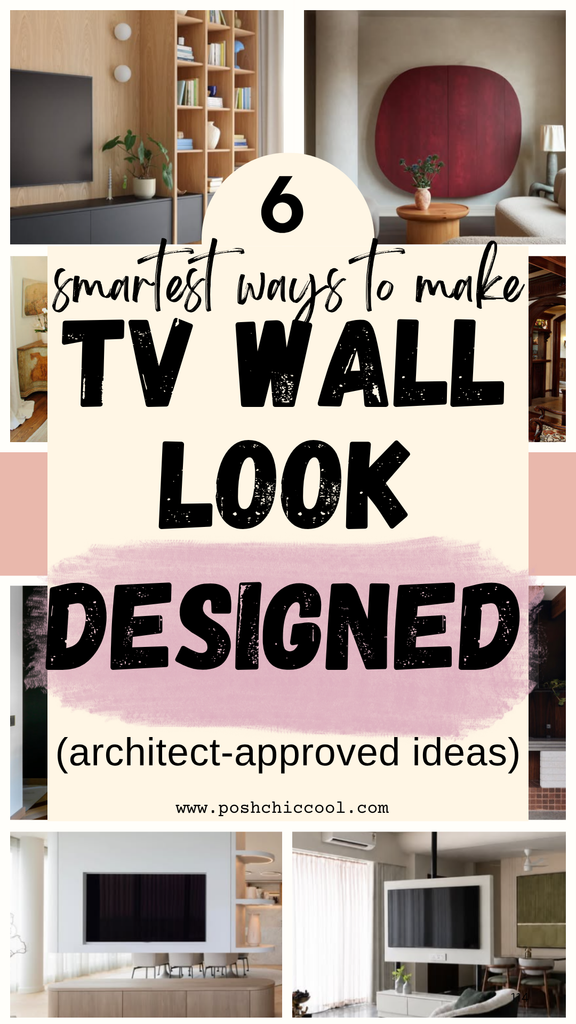
This blog post is all about TV wall design ideas.
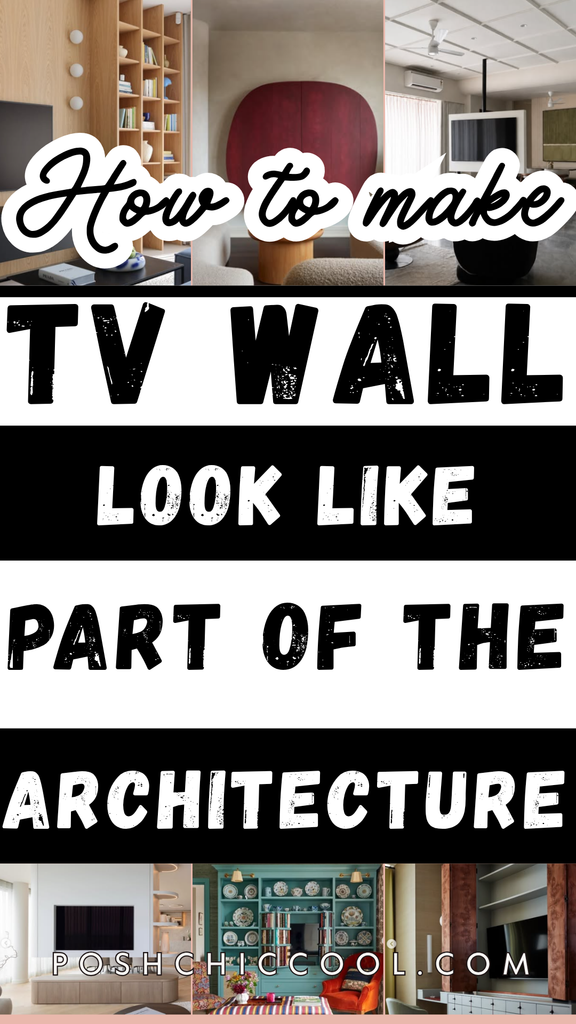
A TV can easily become the visual focus of a living room for the wrong reason, especially when it sits alone on a large blank wall. The better approach is to design the area around it so the screen feels connected to the rest of the room rather than added as an afterthought. Built-in shelving, full-height cabinetry, wood paneling, display space, and clever ways to disguise the TV can all turn that wall into something much more useful and interesting.
Some ideas make the television blend quietly into the background, while others deliberately frame it as part of a larger feature wall. The best TV wall design also gives you a place to solve practical problems like storage, cables, media equipment, and awkward wall proportions.
These ideas show how you can give a plain TV wall more purpose, character, and presence without making the living room feel dominated by the screen.
1. Conceal the Screen Behind Statement Wood Panels
If you do not want the TV to dominate the room, hiding it behind decorative wood panels is a smart way to make the wall feel more like custom furniture. When the doors are closed, the richly patterned wood becomes the focal point instead of the screen.
Open them only when you want to watch TV, then let the cabinetry take over again afterward. A low bank of drawers underneath gives you useful storage for remotes, media equipment, and other living room clutter, which helps the whole setup stay tidy. For the strongest effect, choose panels with enough grain or pattern to look intentional even when the TV is completely hidden.
2. Use Faux Books to Create a Hidden TV Feature
A TV does not always need to sit fully exposed in the middle of your shelving. Faux book panels can hide the screen when it is not in use and make the whole wall read more like a built-in library. This works especially well if the surrounding shelves already hold books, ceramics, or collected objects, because the cover feels like part of the display rather than a separate mechanism.
Using swivelling doors and faux books, this is a genius method to conceal a usually imperfect item from an otherwise gorgeous room
Keep the faux spines varied in color and scale so they blend naturally with the rest of the shelving. When the panels close, the TV recedes and the wall becomes a decorative feature in its own right.
3. Use a Hanging TV Wall Design to Divide an Open-Plan Room
In an open-plan space, a hanging TV wall can help define the living area without making the room feel closed off. Because the panel stops short of the floor, you still keep a sense of openness and visual flow between zones. Mounting the TV directly into the partition also gives the screen a clear architectural home instead of relying on a freestanding media unit.
A low cabinet underneath can add storage while keeping the overall look light. This approach works especially well when you want the TV wall to organize the layout as much as it decorates it.
You will also love:
17 Mid Century Modern Living Room Ideas With Plenty of Personality
22 Stylish Sofa Table Behind Couch ideas
19 Stylish Examples of Accent Walls In Living Room We Love
4. Hide the TV Behind a Sculptural Wall Panel
If you want the TV to disappear without leaving the wall feeling empty, a sculptural panel can do both jobs at once. The rounded shape gives the wall a strong focal point, while the rich color makes the cover feel more like an intentional design feature than a piece of media cabinetry. When the screen is hidden, the room still has something visually interesting to anchor it.
This works especially well in a pared-back space where one bold form can carry the wall without adding shelves, artwork, or extra furniture.
This could be a super fun DIY project for the handy ones.
5. Make the Screen Feel Built In With Dark Lower Cabinets
One of the easiest ways to make a wall-mounted TV feel more integrated is to repeat its dark color elsewhere in the design. Here, the black lower cabinets visually connect with the screen, so the TV feels anchored instead of floating on the wall.
The warm wood paneling keeps the contrast from feeling too stark, while the open shelving adds a lighter, more decorative layer beside it. You can recreate the same effect with a dark media console, built-in drawers, or cabinetry that runs beneath the TV. When the screen is off, it blends much more naturally into the overall composition.
6. Let a Tapestry Double as a TV Concealer
A tapestry is a clever way to hide the screen without making the TV wall feel overly built-in or technical. When the TV is off, the textile takes over as the decorative focus and adds softness, color, and texture to the room.
You can mount the tapestry on a simple lift-up or sliding mechanism so it moves out of the way when you want to watch TV. This works especially well if you want the wall to feel more relaxed and artful than a traditional media unit.
Conclusion
A TV wall can do much more than simply hold the screen. With the right design, it can add storage, define the layout, introduce texture, or even hide the TV completely when you are not using it. Built-ins, dark cabinetry, sculptural panels, suspended partitions, and decorative covers all give you different ways to make the screen feel more intentional in the room.
The best approach is the one that solves a practical need while still fitting the style of your space, so the TV wall feels like part of the overall design rather than an afterthought.