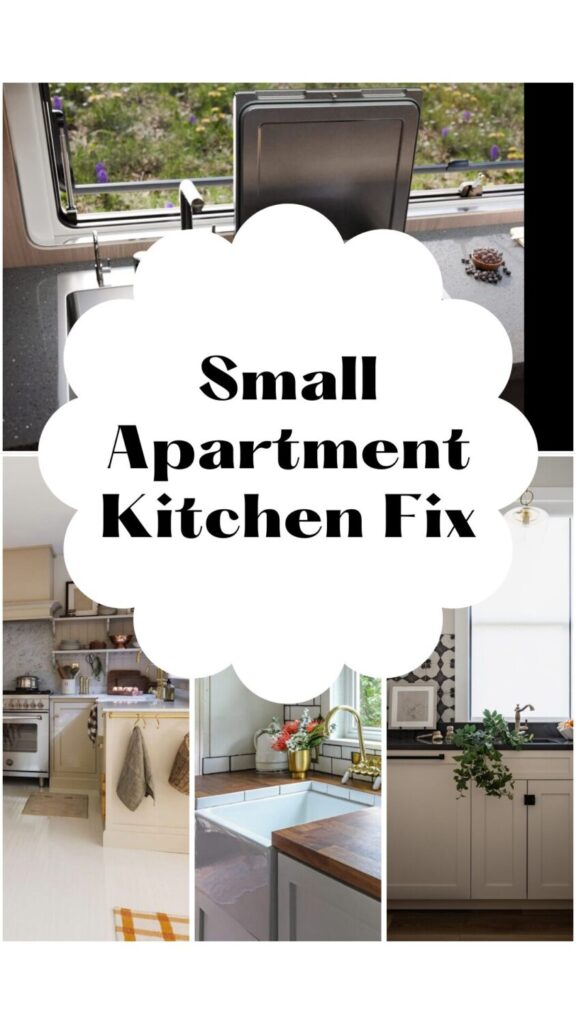
Small kitchens can be charming, efficient, and full of personality, but they also ask a lot from a limited amount of space. Every cabinet has a job. Every inch (or cm) of counter space matters. And when there is no obvious place for a dishwasher, the sink can quickly become the hardest-working and messiest part of the room.
The problem is not always that the kitchen is too small. Sometimes the real problem is that the prep, washing, and cleanup zones are all fighting for the same tiny surface area.
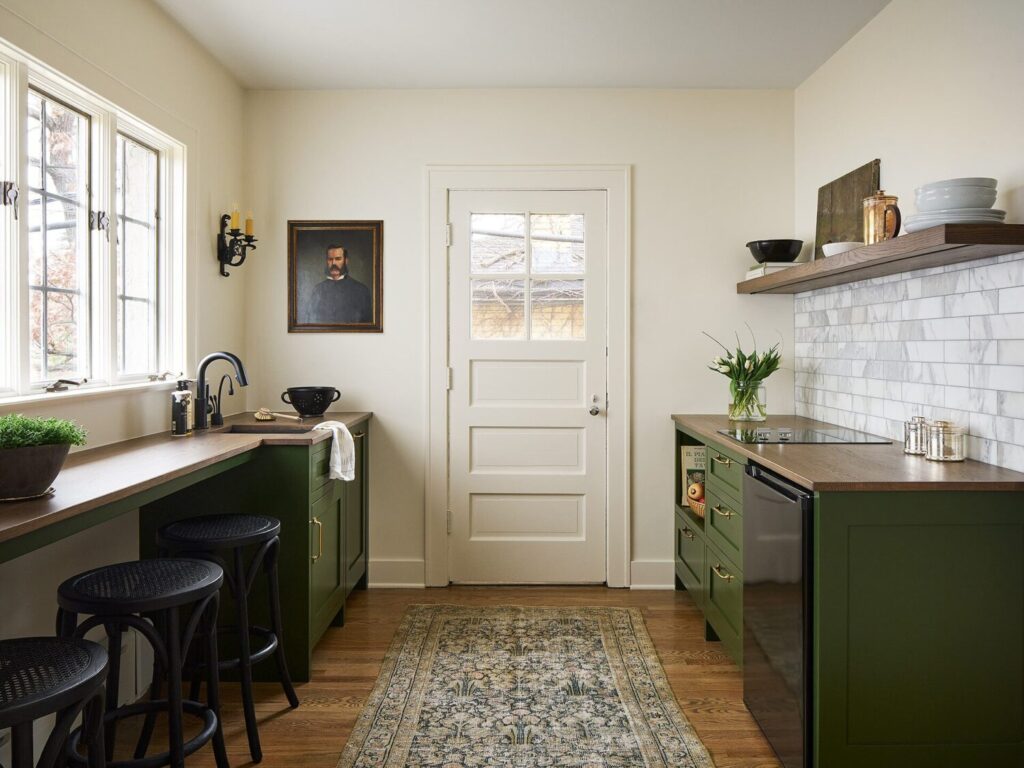
That is why small kitchen planning should go beyond cabinet color, open shelving, and pretty backsplash ideas. Those details matter, of course, but the kitchen also needs to support real daily routines. You need space to rinse produce, prep ingredients, wash dishes, dry dishes, and clear the counter again before the next meal.
When a standard dishwasher does not fit, the solution may not be to force one into the layout. It may be to rethink the sink zone completely.
Posh Chic Cool is a participant in the Amazon Services LLC Associates Program, an affiliate advertising program designed to provide a means for sites to earn advertising fees by advertising and linking to Amazon.com. As an Amazon Associate, I earn from qualifying purchases at no extra cost to you. Disclaimer, Privacy Policy and Terms and Conditions
Don’t forget to save this post!
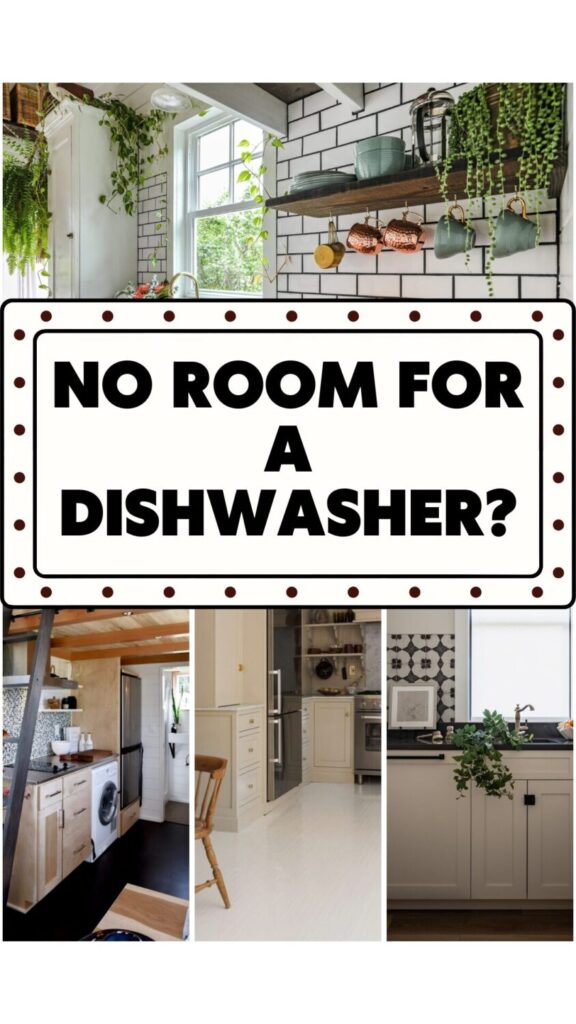
Start With the Real Problem: Cleanup, Not Just Storage
Most small kitchen advice starts with storage. Add shelves. Use drawer dividers. Hang pans vertically. Choose slimmer cabinets. All of that can help, but storage is only one part of the problem.
A small kitchen can have decent storage and still feel stressful if the cleanup zone does not work.
Think about what happens after one normal meal. Plates stack near the sink. A cutting board sits on the counter. Produce scraps are waiting to be cleared. A drying rack takes up valuable prep space. A towel hangs over the sink because the dishes are not fully dry yet. Even when the kitchen is technically clean, it can still look busy.
That is where small kitchens need smarter planning. The goal is not just to store more things. The goal is to reduce how many tasks compete for the same small counter.
Treat the Sink Like a Work Zone
In a larger kitchen, the sink is only one part of a bigger system. There may be a dishwasher nearby, a long prep counter, a large island, and enough room for dishes to dry without interrupting everything else.
In a small kitchen, the sink often has to do much more.
It becomes the place where you rinse vegetables, drain pasta, wash cups, soak pans, fill the kettle, clean utensils, and sometimes even stack dishes until you have time to deal with them. When the sink is not planned well, the whole kitchen feels smaller.
A better approach is to treat the sink as a work zone, not just a fixture. Ask what needs to happen there every day. Do you cook often? Do you wash a lot of fresh produce? Do you need a drying rack out all the time? Are dishes constantly sitting in the sink because there is no dishwasher? These questions matter because they reveal what the kitchen actually needs.
A beautiful kitchen that cannot handle cleanup will never feel easy to live with.
Choose Appliances That Do More Than One Job
This is where multifunctional appliances can make a small kitchen feel much more practical. In a compact space, every appliance should earn its place. A single-use item may be fine in a large kitchen, but in a smaller one, the best solutions often combine several everyday functions.
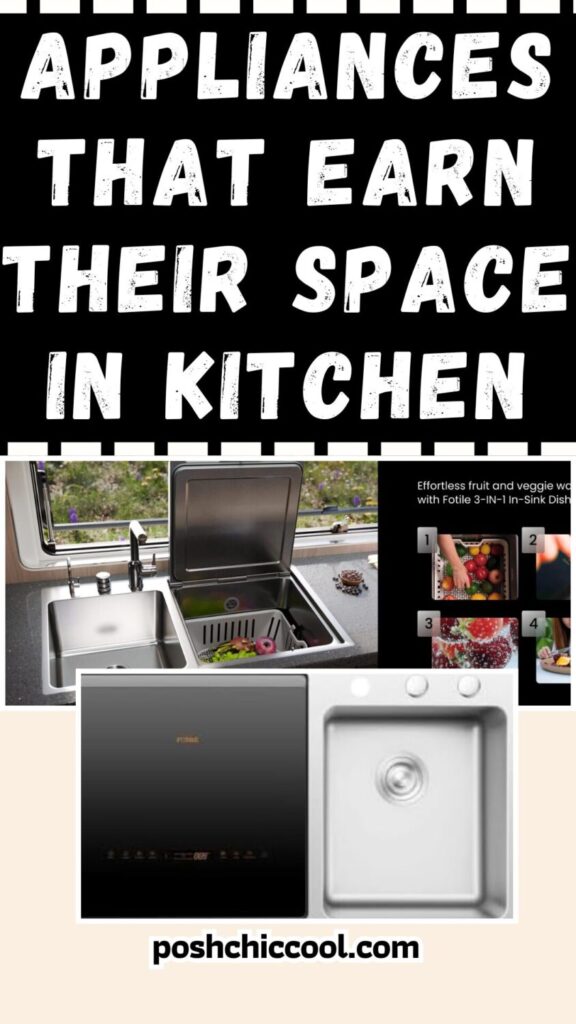
One example I really like is the VersaWash 3-in-1 Produce Cleaner and Dishwasher from FOTILE America. It is designed as an in-sink appliance that combines a kitchen sink, dishwasher, and produce/seafood cleaner in one unit, which makes it especially interesting for compact kitchens, apartments, RVs, and other small-space layouts.

- Revolutionary 3-in-1 Design: Merge your kitchen sink and dishwasher seamlessly with the FOTILE SD2F-P5L, optimizing kitc…
- Customizable Cleaning Modes: Choose from 4 cleaning modes—Eco, Delicate, Normal, and Intensive—to suit your dishwashing …
- Efficient Energy and Water Conservation: With only 159 kWh of energy consumption per year and requiring just 3 gallons o…
What I like about this idea is that it solves a real small-kitchen issue without asking the kitchen to become bigger. Instead of adding a separate dishwasher, separate produce-washing setup, and more counter clutter, it brings several cleanup and prep tasks into one zone.
That is the kind of solution small kitchens need: not more stuff, but better function in the space that already exists.
Why an In-Sink Dishwasher Makes Sense in a Small Kitchen
A traditional dishwasher needs a dedicated cabinet opening, door clearance, plumbing planning, and enough surrounding space for loading and unloading. In a small kitchen, especially in a galley kitchen or apartment kitchen, that space may simply not exist.
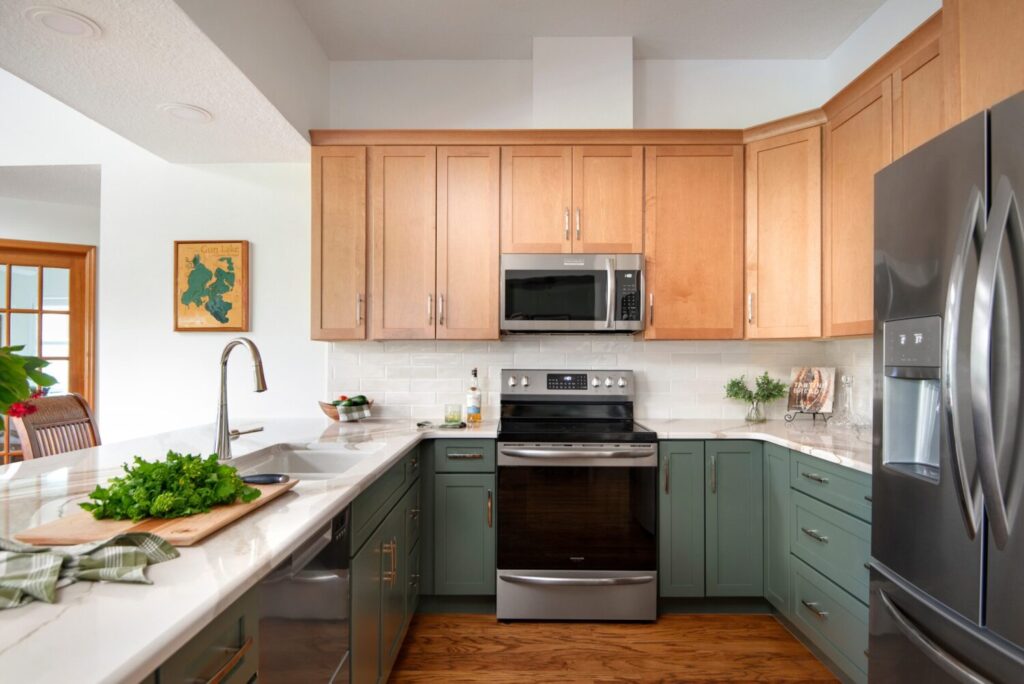
An in-sink dishwasher changes the conversation.
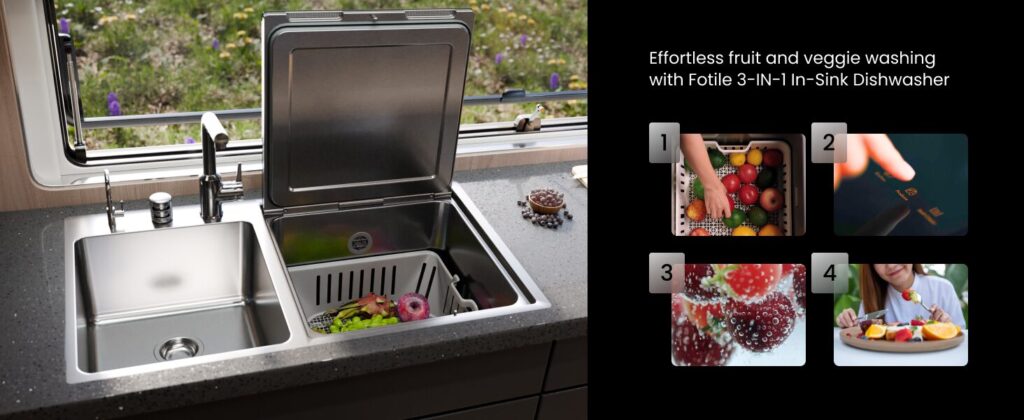
Because the dishwasher function is built into the sink area, the kitchen can keep more lower-cabinet space available for storage. It also keeps cleanup happening where cleanup already starts: at the sink. Dishes do not need to move across the kitchen, and the counter does not need to become a holding zone for every plate, bowl, and utensil.
The VersaWash has a countertop-mounted, top-load design, which can also feel more comfortable because you are not bending down the same way you would with a standard lower dishwasher. FOTILE lists features such as dishwashing, sanitization, drying, produce cleaning modes, and several wash modes, including Delicate, Normal, Intensive, and ECO.
For a small kitchen, the point is not that every home needs this exact appliance. The point is that the sink zone can do more when it is planned intentionally.
Keep the Counter Clear for Actual Prep Space
One of the biggest mistakes in a small kitchen is using the counter as storage. It starts innocently with a drying rack, a fruit bowl, a coffee machine, a cutting board, and maybe a few utensils. But very quickly, the only open prep space left is a small square between the sink and the stove.
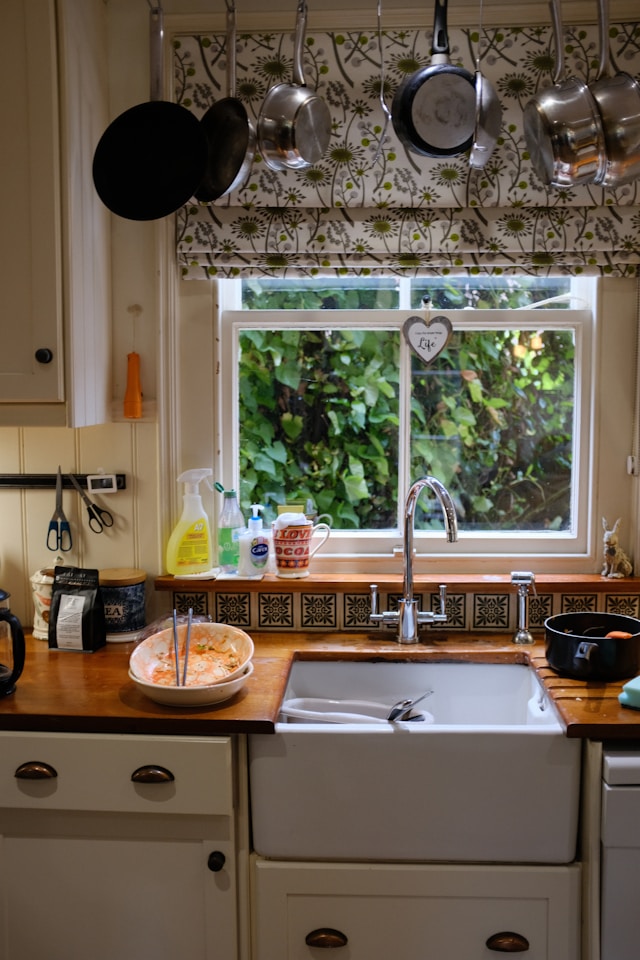
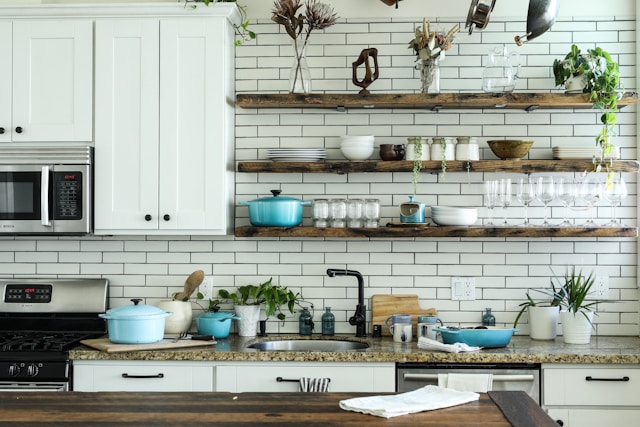
That is why anything that reduces counter clutter is worth considering.
If dishes can be washed and dried without a permanent drying rack taking over the counter, the kitchen instantly feels more usable. If produce washing can happen in the same zone as cleanup, meal prep becomes easier. If the sink area can support more of the daily routine, the counter can stay clearer for chopping, mixing, plating, and cooking.
In a small kitchen, clear counter space is not just about looks. It changes how the kitchen feels to use.
A clean counter makes the room feel calmer. It gives you more room to work. It also makes the kitchen easier to reset at the end of the day, which matters a lot when the kitchen is open to the living or dining area.
Make the Cleanup Zone Feel Intentional
A small kitchen should not feel like every solution was added as an afterthought. Even practical features can look polished when they are planned as part of the overall design.
For the sink zone, that may mean choosing a faucet finish that works with the cabinet hardware, keeping dish soap in a simple dispenser, using a slim tray for everyday sink items, and avoiding too many visible accessories around the basin. If the appliance itself has a more modern look, let that guide the surrounding details.
This is also where material choices matter. A simple countertop, clean-lined cabinetry, and a quiet backsplash can help the sink area feel built-in rather than busy. When there is already a lot happening functionally, the design should stay visually calm.
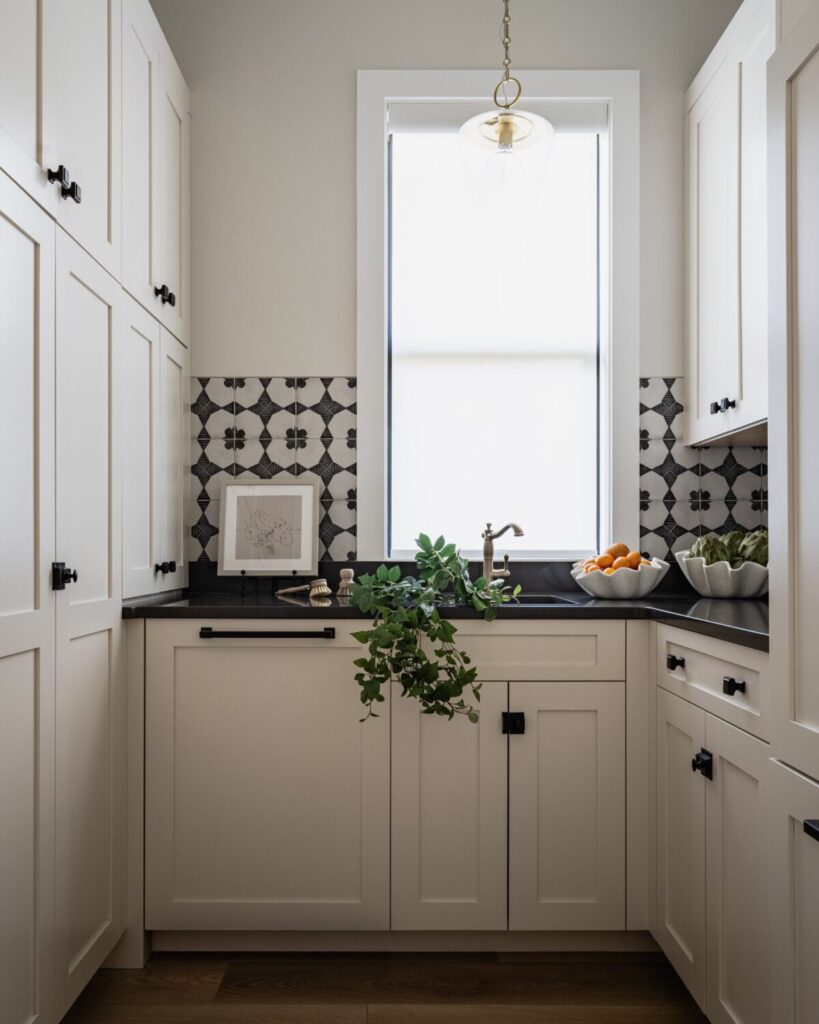
Small kitchens do not need to be plain, but they do need editing. The fewer visual interruptions around the hardest-working zone, the more spacious the kitchen will feel.
Use Vertical Storage So Lower Cabinets Can Work Harder
If the lower cabinets are limited, they should be used for the things that truly need to live there: cookware, food storage, cleaning supplies, trash pullouts, or small appliances that are used often.
That means the walls can help with lighter storage.
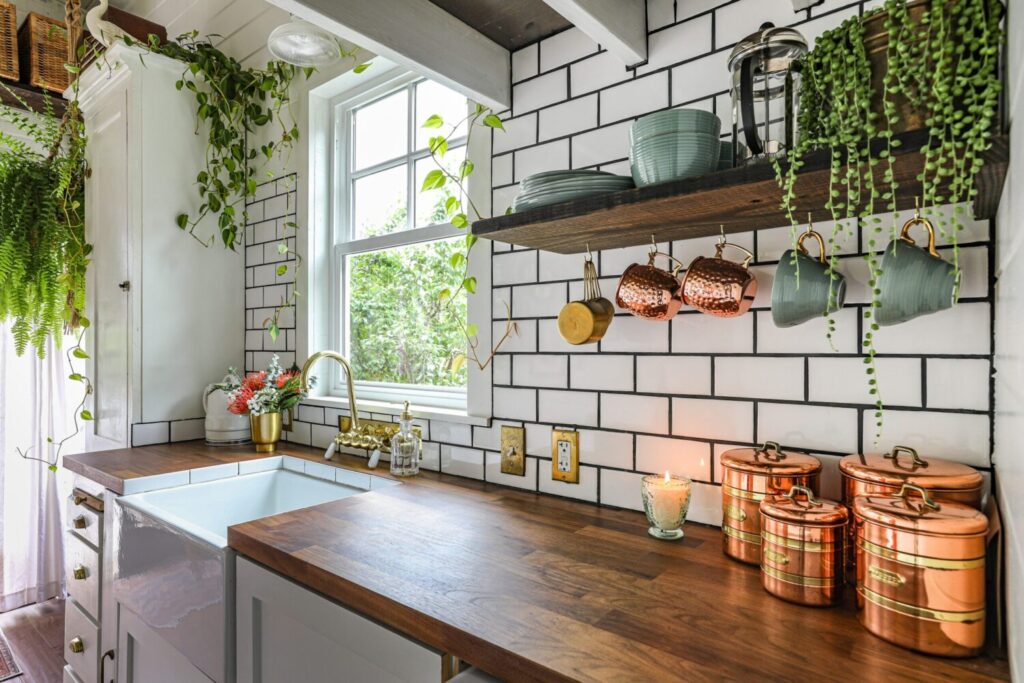
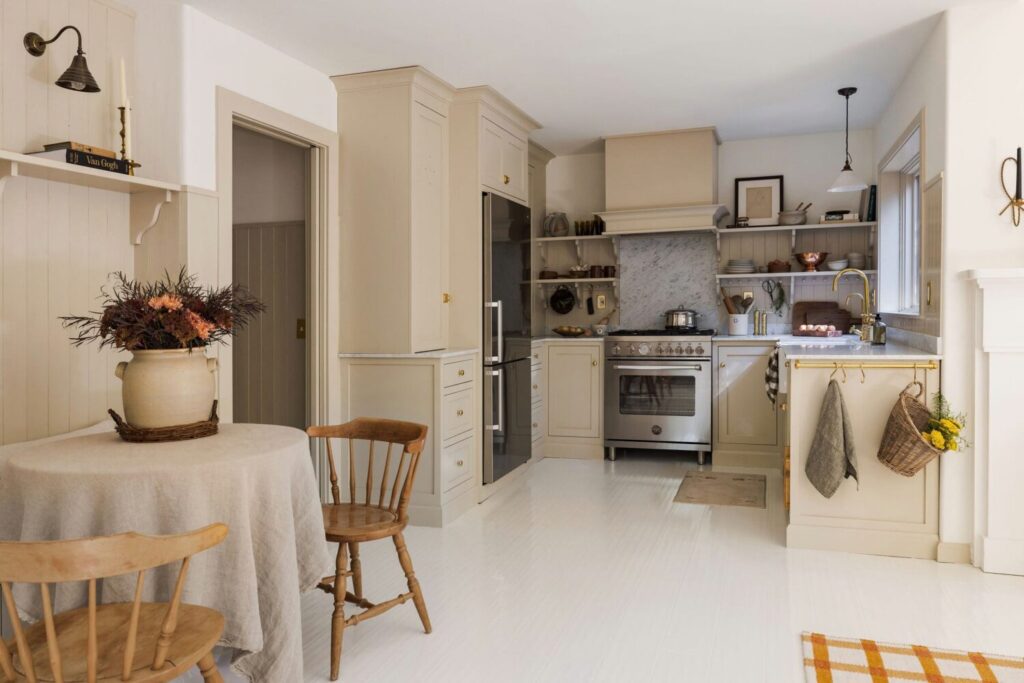
A narrow rail can hold cooking utensils. A small shelf can keep everyday glasses or mugs within reach. Hooks can work for towels or frequently used tools. A magnetic strip can free up drawer space if it fits the style of the kitchen. Even the inside of cabinet doors can hold slim organizers for wraps, brushes, or cleaning cloths.
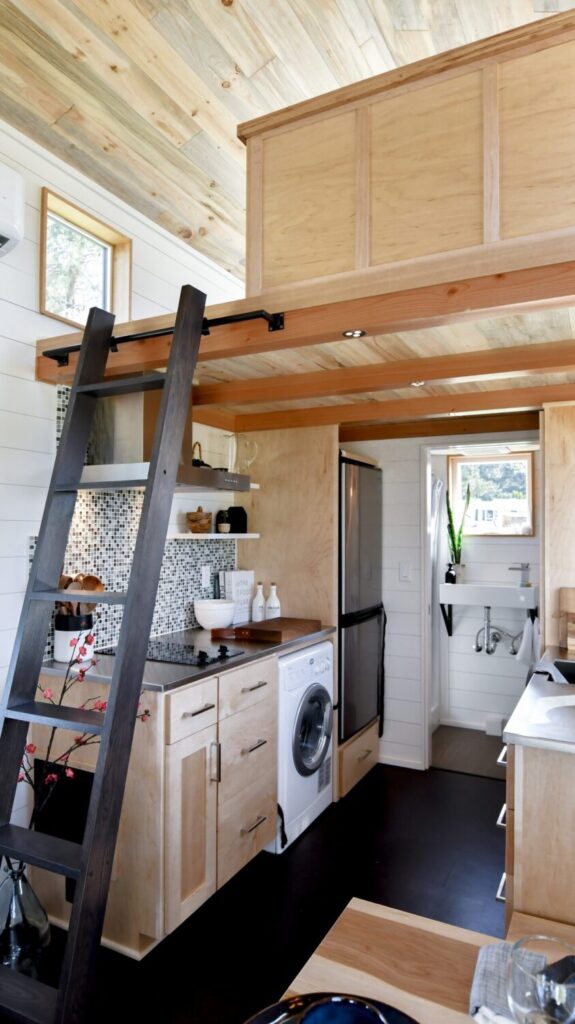
The key is to keep vertical storage intentional. Too much open storage can make a small kitchen feel crowded, especially if every item is different in color, size, and shape. Choose the things you actually use and keep the rest behind closed doors.
A small kitchen feels better when storage is easy to reach, but still visually controlled.
Do Not Forget Produce Washing
Produce washing is one of those daily kitchen tasks that rarely gets planned for, but it takes up more space than people realize. You need room for the produce, the colander, the cutting board, the scraps, and the clean ingredients waiting to be used.
In a small kitchen, this can quickly take over the sink and counter.
That is another reason I like the idea of combining produce cleaning with the sink zone. FOTILE describes the VersaWash produce cleaner as using ultrasonic turbulence technology to help remove dirt, pesticides, and residues from fruits and vegetables.
From a design and function perspective, the benefit is simple: the kitchen has a clearer place for a task that already happens all the time. Instead of treating produce washing as something that happens wherever there is space, it becomes part of the planned workflow.
That is what makes a small kitchen feel easier. Not every task needs a separate area, but every task does need a logical place to happen.
Think About Flow Before You Add More
When a small kitchen is not working, the first instinct is often to add something. Add a cart. Add a shelf. Add an organizer. Add another appliance. Sometimes that helps, but sometimes it only gives the kitchen more things to work around.
Before adding anything, look at the flow.
Where do dirty dishes land? Where do clean dishes go? Where does produce get washed? Where do you chop? Where does the drying happen? Where do you stand when someone else is also in the kitchen?
These questions are simple, but they reveal a lot.
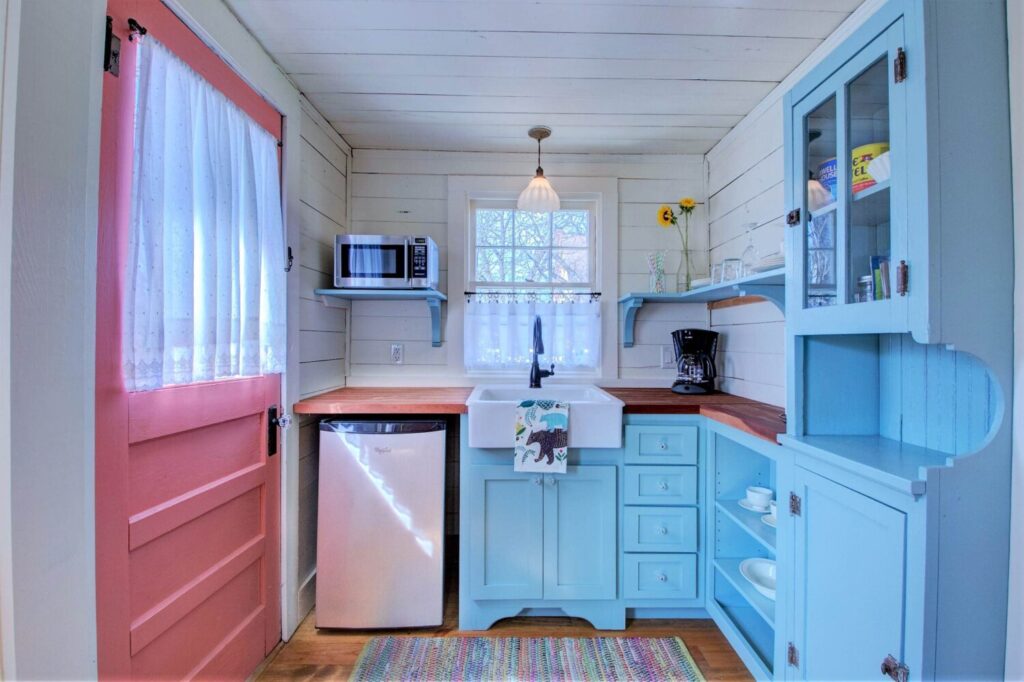
A small kitchen works best when each task has a short, natural path. The sink should connect easily to prep space. The dishwasher or dishwashing zone should be close to dish storage. The trash should be near prep. The most-used tools should be easy to grab without opening five different cabinets.
When the flow is right, the kitchen feels bigger because you are not constantly moving things out of the way.
Final Thoughts
A small kitchen does not have to feel limited. It just needs smarter decisions.
Instead of focusing only on how to make the room look bigger, think about how the kitchen actually works. Where does the mess start? Where does cleanup slow you down? What takes over the counter? Which appliance or storage decision would make daily life easier?
For some kitchens, the answer may be better cabinet organizers or a slimmer layout. For others, it may be rethinking the sink zone completely.
That is why the VersaWash 3-in-1 Produce Cleaner and Dishwasher from FOTILE America feels like such a thoughtful small-kitchen idea. It is not about adding another gadget to the room. It is about giving one of the busiest zones in the kitchen more purpose.
- Revolutionary 3-in-1 Design: Merge your kitchen sink and dishwasher seamlessly with the FOTILE SD2F-P5L, optimizing kitc…
- Customizable Cleaning Modes: Choose from 4 cleaning modes—Eco, Delicate, Normal, and Intensive—to suit your dishwashing …
- Efficient Energy and Water Conservation: With only 159 kWh of energy consumption per year and requiring just 3 gallons o…
And in a small kitchen, that can make all the difference.