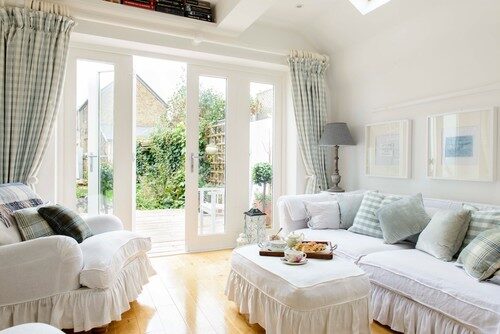
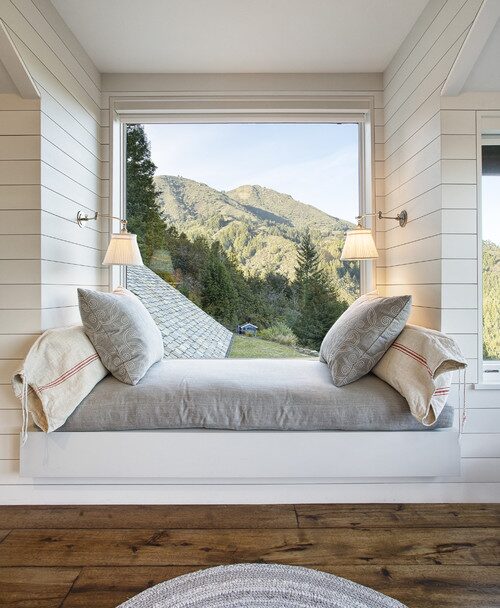
Everyone talks about natural light.
Big windows. Bright rooms. Sun-filled interiors.
But not enough people talk about what happens after that light enters the space.
Because direct sunlight is not always beautiful. Sometimes it is too harsh. Too hot. Too exposed. It creates glare on your screen, fades your furniture, makes a room uncomfortable, or leaves you feeling like you are living in a display window.
That is where light diffusion comes in.
And no, it is not just about hanging a curtain and calling it a day.
In architecture, diffused light is designed, shaped, softened, filtered, reflected, and sometimes even turned into a decorative feature.
A screen can make sunlight feel calmer.
Textured glass can add privacy without making a room dark.
A stained glass window can turn daylight into art.
A deep window reveal can make harsh light feel softer before it even reaches the room.
This is the difference between simply having natural light and knowing how to use it.
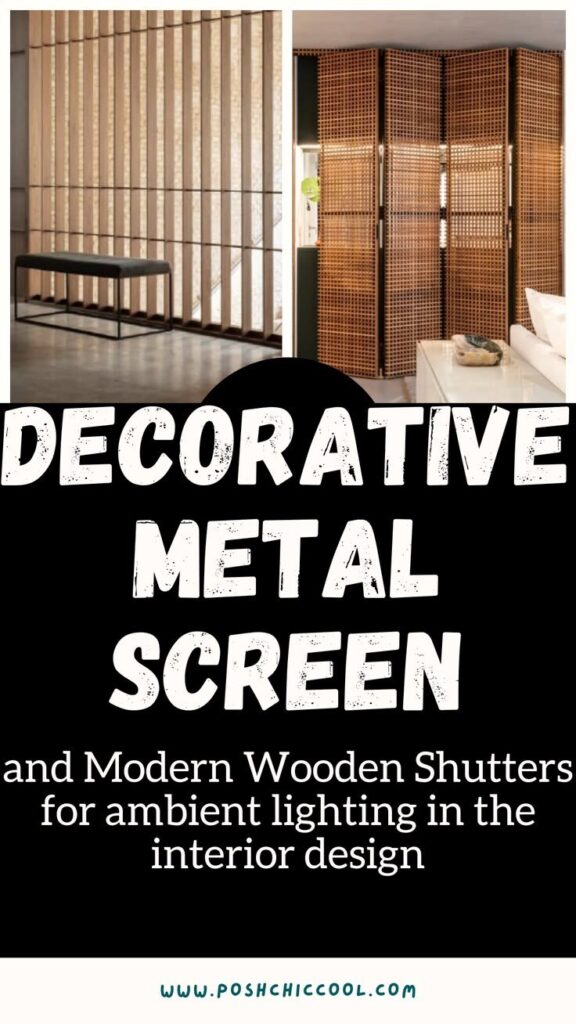
Let’s look at 10 beautiful light diffusion ideas architects use to add privacy, texture, shadow, and atmosphere to a home.
Posh Chic Cool is a participant in the Amazon Services LLC Associates Program, an affiliate advertising program designed to provide a means for sites to earn advertising fees by advertising and linking to Amazon.com. As an Amazon Associate, I earn from qualifying purchases at no extra cost to you. Disclaimer, Privacy Policy and Terms and Conditions
1. Wooden Slatted Screens
We all love bright rooms, but what if the sun hits the sofa directly? The room overheats. You close the curtains, and suddenly the space feels dark and disconnected from the outside.
This is where wooden slatted screens work beautifully.
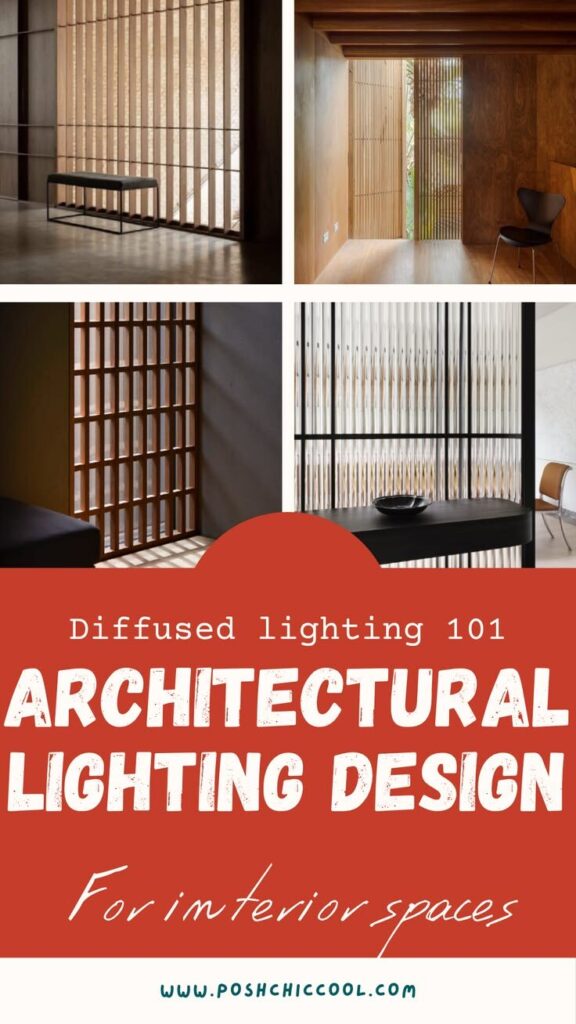
A slatted screen does not block the light completely. It filters it.
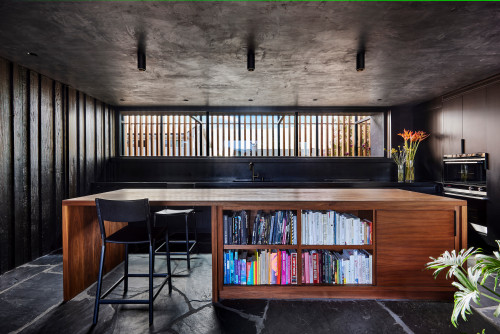
Photo by Hsu McCullough – Look for kitchen design inspiration
Direct sunlight becomes softer. The room stays bright, but the glare feels controlled. You still get privacy, airflow, and a visual connection to the outside.
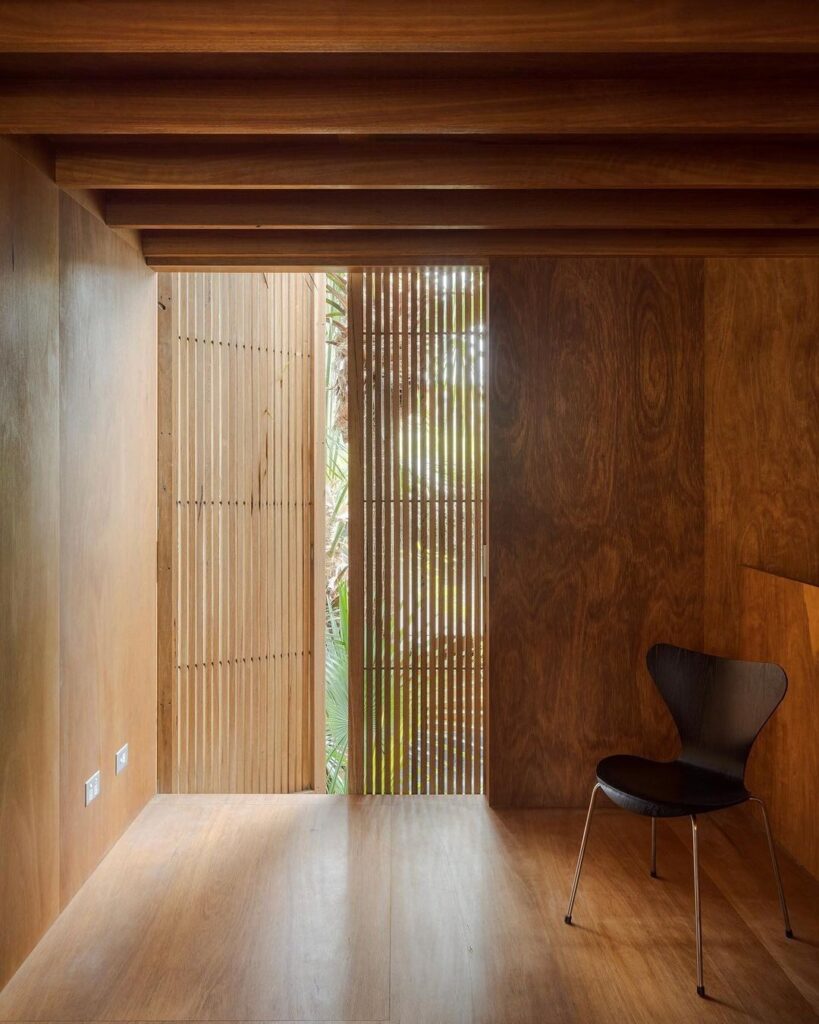
This is why wooden slats have been used in architecture for centuries, especially in warmer climates.
The best part is the shadow.
When sunlight passes through the slats, it creates quiet, rhythmic patterns on the floor, walls, or furniture. The room changes throughout the day. Morning light feels different from afternoon light.
That is what makes the detail feel architectural.
Wooden slatted screens work especially well for large windows, balconies, staircases, reading corners, and open-plan living spaces.
They can also be used as interior partitions when you want to divide a space without fully closing it off.
For example, between an entry and living room.
Around a staircase.
Behind a reading nook.
Or as part of a custom built-in wall.
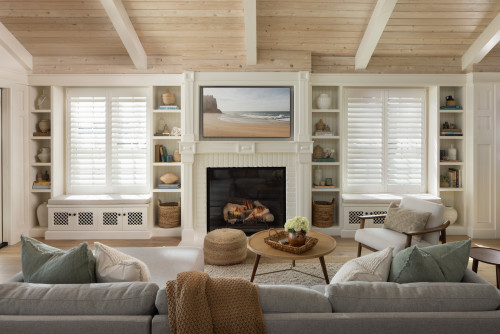
Photo by DESIGN 4 CORNERS – Look for living room design inspiration
They look strongest when they are integrated into cabinetry, shelving, wall paneling, or millwork. That way, the screen feels intentional and built into the design.
A simple wooden slat can soften light, add privacy, create shadow, and bring warmth into the room.
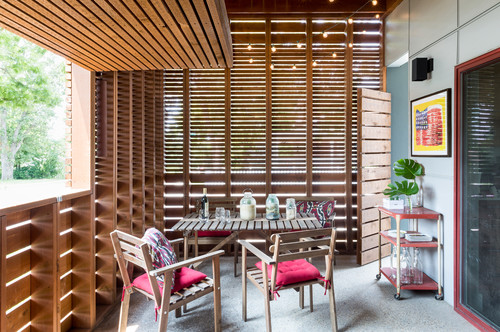
Photo by Skiles Architect, PA – Look for porch design inspiration
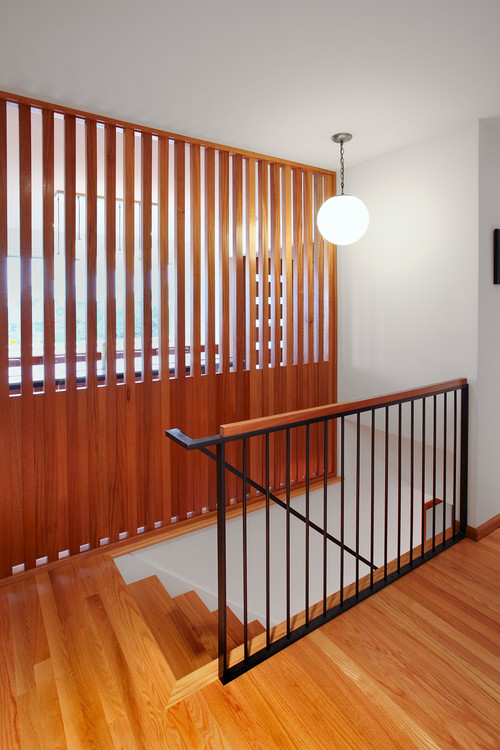
Photo by Ainslie-Davis Construction – Search staircase design ideas
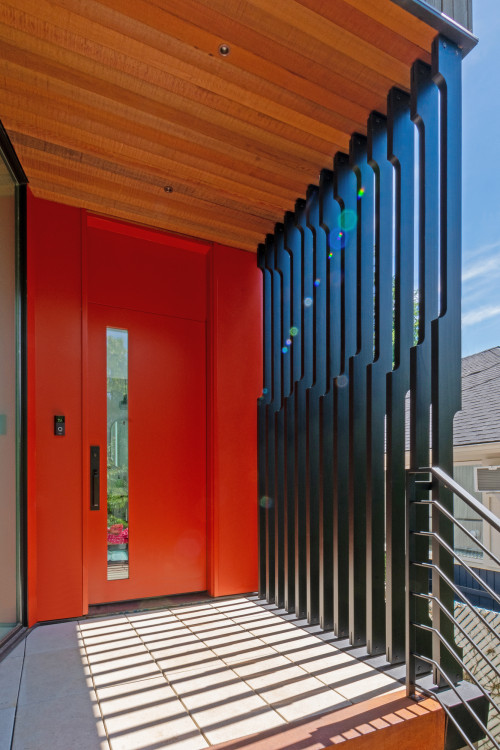
Photo by Floisand Studio – Look for entryway design inspiration
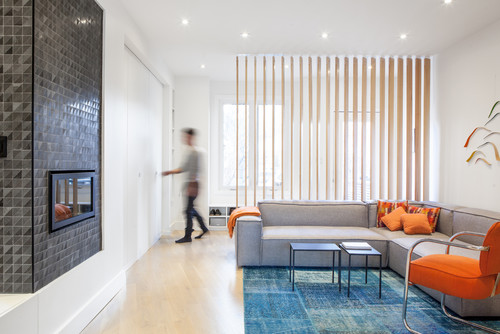
Photo by Wanda Ely Architect Inc. – Browse living room photos
2. Cast Glass or Textured Glass

- Total of 8 textured transparent stained glass sheets.
- Glass Sheet Size: 6×4 inches (LxW) and 1/8 inch thick.
- Easy to Cut: Use a glass cutter or wheeled nippers for accurate cutting, ideal for both mosaic hobbyists and professiona…
People usually think glass means one thing: transparency.
Clear view. Clear opening. Maximum light.
But sometimes that is exactly the problem.
A bathroom window needs daylight, but it also needs privacy.
A front door needs brightness, but you do not always want people seeing straight inside.
An interior partition needs separation, but a solid wall would make the room feel smaller.
This is where cast glass or textured glass becomes very useful.
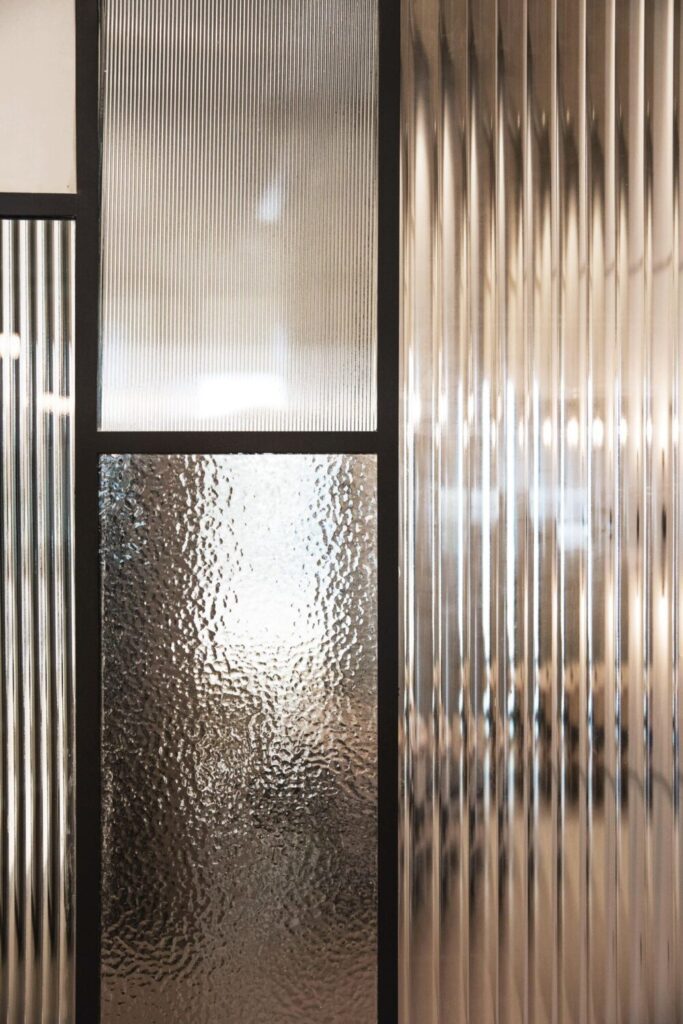
It lets light pass through, but softens what you can see.
The surface has movement. Ripples, waves, grooves, or a slightly uneven texture. So instead of flat, sharp light, you get something softer. More blurred. More atmospheric.
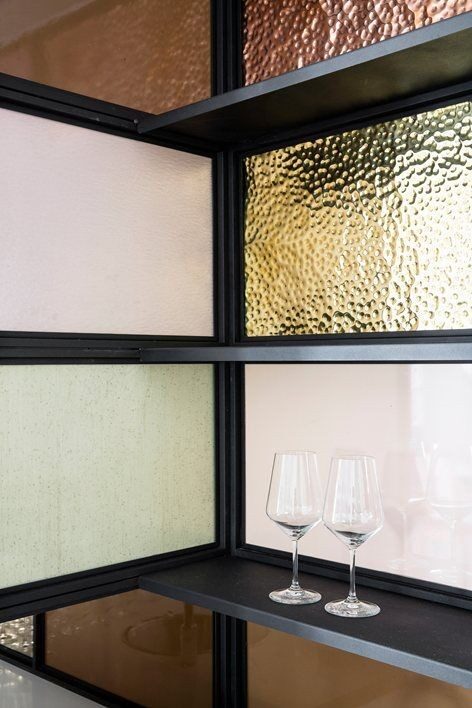
The room still feels bright.
But it also feels more private.
I especially love this material in bathrooms, shower partitions, entry doors, and small interior openings. It gives you that filtered-light effect without making the space feel closed.
In coastal homes or bathrooms, the water-like texture makes even more sense. It has a quiet connection to water, but it does not feel themed or forced.
And on a front door, textured glass can create a beautiful first impression. You get light in the entry, but the view is softened. The door starts to feel more designed, more intentional, almost like a small architectural moment.
Use it when you want brightness without full exposure.
That is the real value of textured glass. It gives you light, privacy, and texture in one move.
3. Stained Glass Windows
If you think stained glass belongs only in old houses, churches, or traditional interiors, you are missing out on a lot.
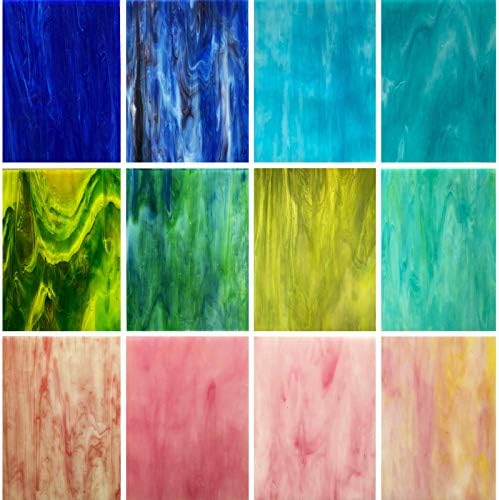
- Total 12 Sheets of Assorted Stained Glass Variety Pack
- Materials – Glass, Stained glass sheet, Mosaic glass sheets, Glass art
- Glass Size – 6 x 4 inches each sheet (L x W), Thickness: 1/8 inch
When used carefully, stained glass can look incredibly fresh in modern interiors.
The issue is usually not the stained glass itself. The issue is the pattern, the color, and where it is placed.
Too much color can feel heavy.
Too much pattern can feel busy.
The wrong location can make it look decorative instead of architectural.
But in the right place, stained glass can completely change how a room feels.
Imagine a front door with a small stained glass panel. You still get daylight in the entry, but the view from outside is softened. The space feels private, warmer, and more memorable from the first step in.
Or imagine a stair landing where sunlight passes through colored glass in the afternoon. Suddenly, a simple transition space becomes one of the most atmospheric moments in the home.
That is the strength of stained glass.
It filters light through color, pattern, and craftsmanship. It can make a small window feel intentional. It can add privacy without closing the room. It can bring personality into places that are usually ignored.
Use it where you want a controlled design moment.
A front door.
A stair landing.
A bathroom window.
A powder room.
A hallway.
A dining room.
A small accent window.
The key is restraint.
If you want stained glass to feel timeless, look at 1920s Art Deco references. The geometric lines, soft symmetry, fan shapes, sunbursts, and simple repeated patterns are a beautiful starting point.
For a more refined look, I would keep the palette controlled.
Think amber.
Bronze.
Muted green.
Soft clear glass.
Simple linear compositions.
Abstract botanical shapes.
This keeps the effect elegant instead of overly colorful or dated.
Stained glass works best when it feels connected to the architecture around it. The frame, wall color, door design, and surrounding materials all matter.
Because the glass will not disappear.
It will become a moment.
So make sure it is a good one.
4. Shoji Screens
Privacy does not mean blocking light.
Shoji screens give you privacy in a softer way.

- Rice Paper and Spruce Wood: Our folding screen features fiber-reinforced rice paper that provides privacy without blocki…
- Convenient Small Size: This short partition is a breeze to set up. Use on a desktop or wildowsill, or hide clutter, laun…
- Modern Japanese Design: This sleek and minimalist partition is blends traditional craftsmanship and contemporary style. …
Their translucent panels let daylight pass through while blurring the view. The room stays bright, but the feeling becomes calmer and more private.
They work beautifully in bedrooms, minimalist homes, meditation corners, or as sliding partitions between two zones.
For example, between a bedroom and dressing area.
Or between a living space and a quiet work corner.
The key is simplicity.
Light frame.
Clean lines.
Soft colors.
Enough breathing space around it.
Use shoji screens when you want filtered light, privacy, and a quiet atmosphere without making the room feel closed.
5. Perforated Metal Screens
perforated metal can create some of the most beautiful filtered light.
The holes control how much sun enters the space. Smaller openings feel softer and more private. Larger patterns create stronger shadows and a more graphic look.
The pattern matters.
It needs to be well-proportioned to become a clean architectural screen.
Use perforated metal when you want shade, privacy, and sharp shadow patterns with a more contemporary feeling.
6. Glass Blocks
When used badly, glass blocks can look heavy and old-fashioned.
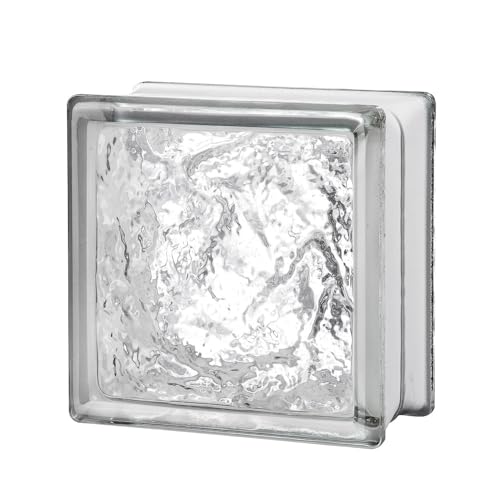
- 45 Minute Fire Rating
- A white bond coating is applied to each block for mortar adhesion.
- This block does not include pre-drilled holes and is not intended for crafting purposes.
But in the right place, they can be beautiful. They are making such a comeback in interiors recently! And I am excited for it!
Think of a bathroom that needs daylight, but also privacy.
A stairwell that feels too dark.
A corridor that needs borrowed light from another room.
Glass blocks let light pass through, but blur the view. The surface adds texture, and the wall starts to feel more sculptural.
The key is to use them with restraint.
Use them in a clean shape.
Avoid overly decorative patterns.
Keep the surrounding materials simple.
They work best in bathrooms, stairwells, corridors, and retro-modern interiors.
7. Deep Window Reveals
We usually focus on the window itself: size, frame color, or glass type.
But the depth around the window matters too.
A deep window reveal slows the light down before it enters the room. Instead of harsh sun hitting the floor or wall directly, the light passes through a thicker edge and becomes softer.
This works beautifully in calm, minimal interiors where every detail is visible.
It also adds a sense of depth to the wall.
The window feels more grounded.
The room feels quieter.
The light feels less flat.
Deep reveals work best with thick walls, minimalist architecture, Mediterranean-style homes, and interiors where you want sunlight to feel soft rather than sharp.
If your walls are not thick enough for a deeper window reveal, then you can combine the Window With Built-In Millwork
This is one of the best solutions.
A shallow window can feel much deeper when it is integrated into: a built-in bench, a desk, shelving, storage wall, or wall paneling.
The window becomes part of a larger architectural composition.
8. Brise-Soleil
Instead of solving harsh sunlight after it enters the room with curtains, blinds, or tinted glass, try to control it before letting it inside.
A brise-soleil controls the sun from the exterior, before it hits the glass. It can be made from concrete, wood, metal, or terracotta, depending on the style of the building.
Use it for south-facing windows, hot climates, modern façades, and rooms where comfort matters as much as natural light.

9. Light Shelves
You might think the problem is too much light or too little of it, but sometimes the light is simply in the wrong place: sometimes it is concentrated near the opening while the depth of the room stays dark.
A light shelf catches sunlight near the window and reflects it deeper into the room, usually toward the ceiling. This helps reduce glare near the glass and spreads daylight more evenly across the space.
It works especially well in offices, studios, south-facing rooms, and spaces with high windows.
Use it when one part of the room feels too bright, but the rest of the space feels dim.
10. Terracotta Screens
This is one of my top farvorites!
Terracotta screens are perforated clay blocks or panels used as a shading layer in front of windows, balconies, patios, corridors, or façades.
You may also hear them called terracotta breeze blocks, clay screens, or sometimes jaali-inspired screens.
People often think sunlight control means adding curtains inside.
But in hot climates, the smarter move is often outside.
Terracotta screens sit between the sun and the interior. The openings let daylight pass through, but they break direct sunlight into smaller, softer pieces.
So instead of one harsh beam entering the room, you get filtered light, shadow patterns, privacy, and airflow.
They work especially well because they, reduce direct glare, shade the glass before heat enters, create privacy without fully closing the space, allow natural ventilation, add warm texture to the façade and create beautiful moving shadows throughout the day
This is why they are especially strong for balconies, south/west-facing façades, patios, stairwells, garden walls, and semi-outdoor corridors.
Terracotta screens make the most sense where sunlight is actually a problem. South and west façades usually benefit more than north-facing ones. If you place them where there is no strong sun, they may only make the space darker.
Opening size matters.
Small openings give more privacy and softer light, but less view.
Larger openings feel lighter and more open, but give less shade and privacy.
Terracotta Screens need proper structural support.
Terracotta is heavier than many people expect. A screen wall needs a good fixing system, especially on upper floors, balconies, and façades exposed to wind.
You deffinitely need to watch out for water drainage, freeze-thaw resistance in colder climates, cleaning and dust buildup, insects if the screen is close to openable windows, night privacy, because interior lights can reveal more from outside and whether the pattern matches the architecture of the house!
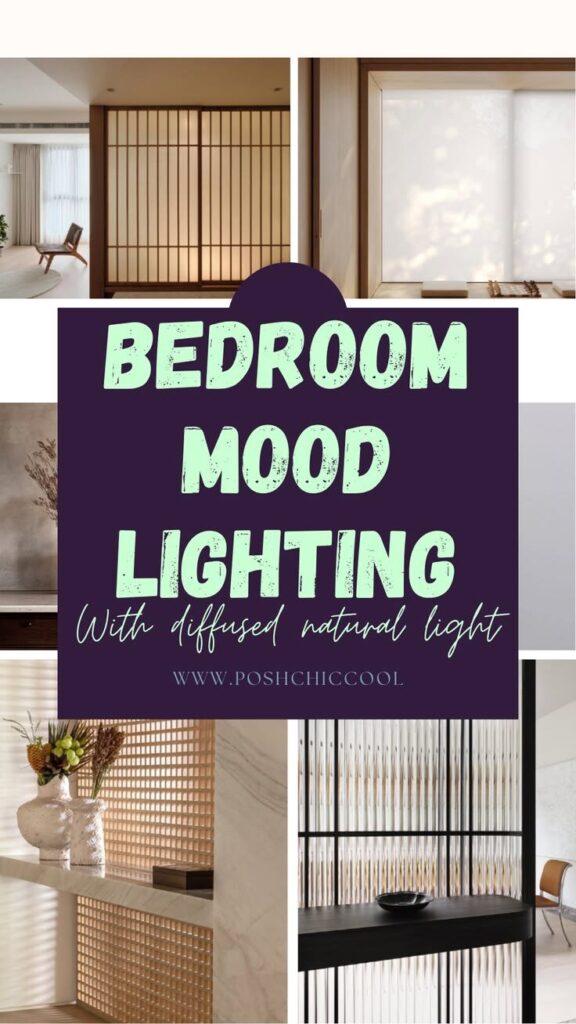
Conclusion
Everyone wants a bright home, but bright does not always mean comfortable.
The best spaces know how to soften light, control glare, protect privacy, and still feel open.
That is why light diffusion matters.
Whether it is a wooden screen, textured glass, stained glass, or an exterior shading detail, the goal is simple: let the light in, but make it feel better.
Because good architecture not only brings light into a home, but it also shapes how that light is experienced.