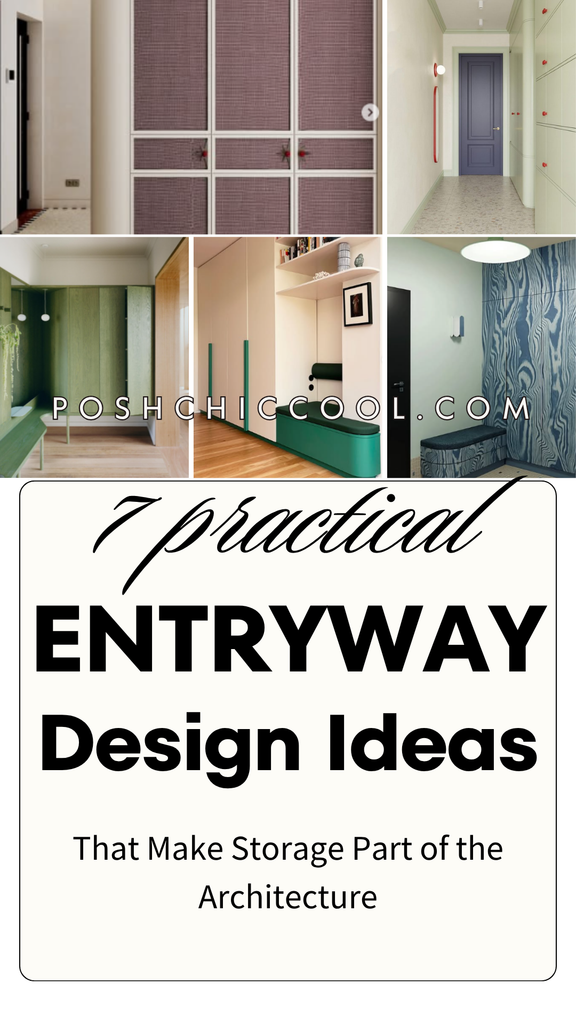
The entryway is the first introduction to your home, so it’s worth giving its design just as much thought as any other room. While a well-designed entrance sets the tone for the interiors beyond, it also needs to handle the practical side of everyday life, from storing shoes and coats to keeping keys and other essentials within easy reach.
Getting the balance right means thinking beyond a beautiful console table or statement mirror. You’ll want enough storage that’s easy to access, good lighting, durable flooring that can handle daily foot traffic, and furniture that fits comfortably without getting in the way. A mirror for those last-minute checks before leaving and a convenient spot to put down your belongings can make the space even more useful.
The best entryways bring all these details together while reflecting the style of the rest of the home.
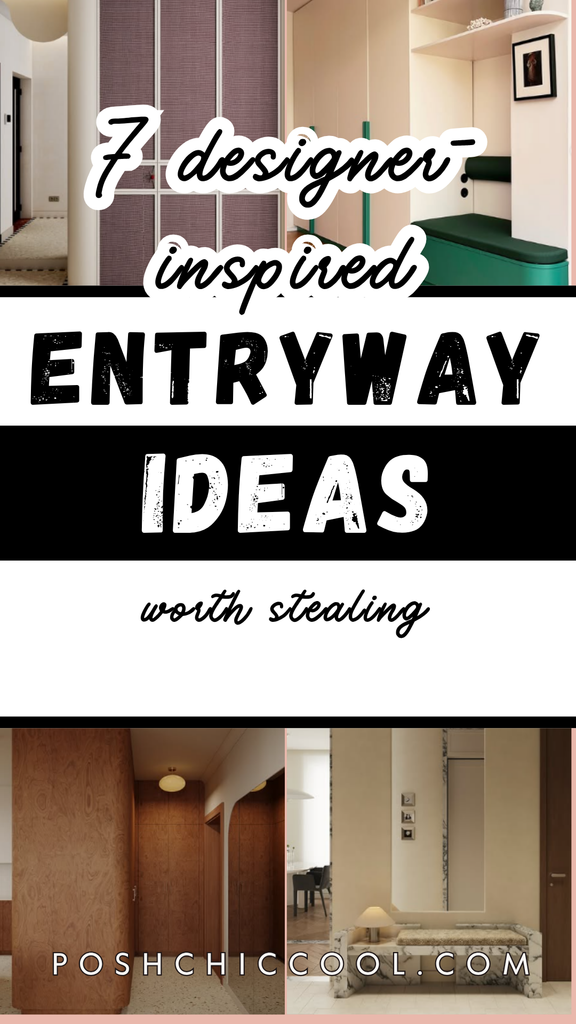
Ahead, we’re sharing 19 designer-inspired entryway ideas worth stealing, with plenty of inspiration for creating an entrance that’s both practical and thoughtfully decorated.
Posh Chic Cool is a participant in the Amazon Services LLC Associates Program, an affiliate advertising program designed to provide a means for sites to earn advertising fees by advertising and linking to Amazon.com. As an Amazon Associate, I earn from qualifying purchases at no extra cost to you. Disclaimer, Privacy Policy and Terms and Conditions
1. Architectural design over decorative styling
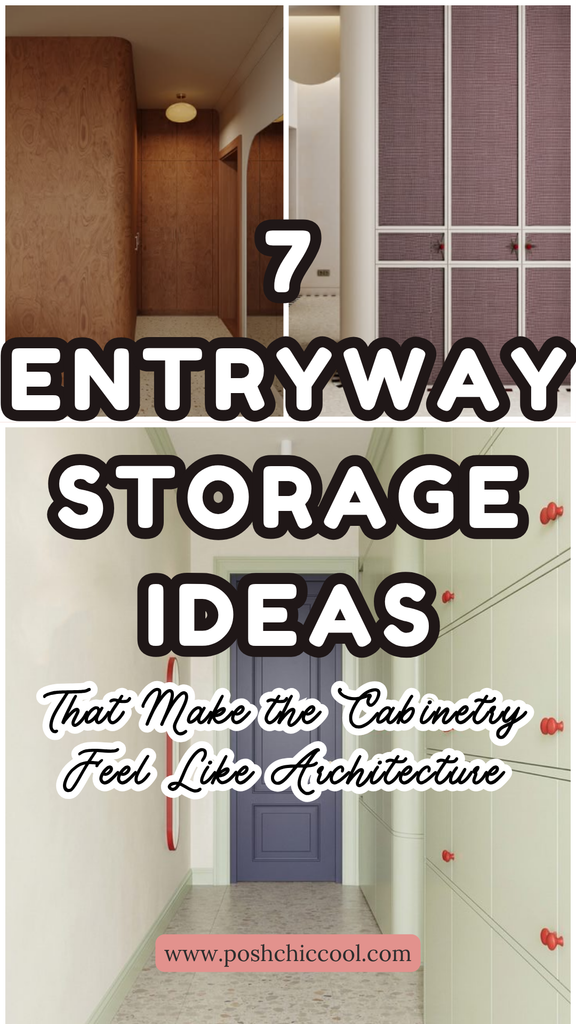
This entryway is a strong example of architectural design taking priority over decorative styling. Instead of relying on a console table, artwork, or accessories, the space uses wood paneling, curved forms, integrated storage, and contrasting materials to create visual interest.
What we like:
The wood-paneled cabinets at the back provide concealed storage without interrupting the overall design. Their flat fronts and minimal hardware help them blend into the surrounding woodwork. This is particularly effective in entryways where visible coats, bags, and shoes can quickly make the space feel cluttered.
The large mirror along the right wall is useful for checking an outfit before leaving home. It also reflects the wood cabinetry and pendant light, creating a stronger sense of depth in what appears to be a relatively compact space.
Moreover, The terrazzo-style floor is a sensible visual choice for an entrance because its speckled pattern can help disguise everyday dust and small marks.
The rounded corner of the large wood-clad structure is one of the most interesting features. It softens the otherwise straight lines of the cabinetry, creates a more inviting transition through the space, and removes a sharp projecting corner from the circulation area.
What could be improved:
Although there is plenty of concealed storage, we don’t see a convenient surface or shallow drawer for keys, mail, or sunglasses. An organized entryway needs more than storage capacity; frequently used items should be easy to reach.
There is no bench or stool for putting on shoes. This could become inconvenient for households where shoes are regularly removed at the entrance.
The single visible pendant provides soft ambient lighting, but it may not be sufficient for every part of the entrance, particularly inside the cabinets or in front of the mirror. Discreet ceiling lighting or integrated cabinet lights could improve daily use.
2. Combine Built-In Storage With a Practical Seating Area
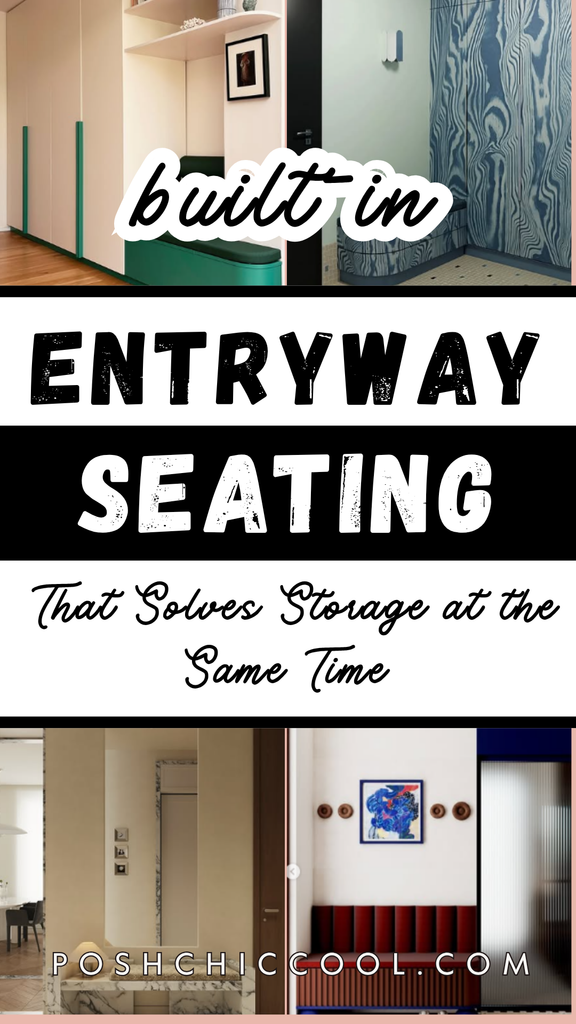
An entryway becomes much easier to use when there’s a dedicated place to sit, especially if taking off your shoes is part of your daily routine. This design pairs tall built-in cabinetry with a compact wooden bench, giving both storage and seating their own place without crowding the walkway.
The rounded end of the cabinetry softens the narrow layout, while the burgundy-toned woodwork introduces color and character.
One particularly interesting detail is the patterned floor border, which follows the cabinetry and connects visually with the bench and the striking ribbed-glass doors.
The glass allows light to filter through while providing privacy, making the doors both decorative and practical.
If you’re planning a similar arrangement, consider adding closed shoe storage near the bench and making sure frequently used coats and bags are easy to reach.
A wall mirror would be another useful addition, completing an entryway that already addresses several everyday needs.
3. Use Statement Materials to Give a Simple Entryway Character
A neutral entryway doesn’t have to feel plain, especially when the interest comes from carefully chosen materials rather than decorative accessories.
Here, marble-look detailing frames the openings and continues onto a sculptural bench, introducing bold veining against the otherwise quiet cream-colored walls and cabinetry. The floor-to-ceiling cabinets at the end of the hallway provide generous-looking concealed storage, while their understated fronts keep the space from feeling visually crowded.
A small table lamp adds warmth to the marble surface, complementing the recessed ceiling lights and making the entrance feel more inviting.
The pale floor and warm wood doors help balance the stronger stone pattern, allowing the different finishes to stand out without competing.
The storage is concentrated at the end of the hallway, which means frequently used items may not be immediately accessible upon entering.
It’s also worth considering whether the polished-looking surfaces are practical for a busy household, especially when wet shoes and everyday dirt are involved.
4. Turn Entryway Storage Into a Bold Design Statement
Who says practical entryway storage has to blend into the background? This design makes the cabinetry the main attraction with a striking blue-and-white woodgrain pattern that wraps around the walls and continues onto the built-in bench.
The nearly concealed cabinet doors allow the expressive pattern to take center stage, while the upholstered seat creates a comfortable spot for putting on shoes. Soft mint walls balance the busy grain, and the unexpected orange door frames introduce another playful color without competing with the blue cabinetry. The small mosaic floor tiles add a quieter layer of pattern, with scattered dark accents that pick up the deeper tones in the room.
If you’re considering a similar approach, keeping the surrounding walls and larger surfaces relatively simple will help bold cabinetry stand out without overwhelming the space.
It’s also worth planning the storage inside carefully so that the dramatic exterior is matched by an equally practical arrangement for coats, shoes, and everyday essentials.
5. Create a Cozy Seating Nook Between Built-In Cabinets
If you have room for built-in storage, consider setting aside a small section for a seating nook rather than filling the entire wall with cabinets. Here, tall cream-colored wardrobes sit beside a compact green bench, creating a practical spot to sit while putting on or removing shoes.
The upholstered seat and cylindrical backrest make the nook feel comfortable, while the matching green base and long cabinet handles bring a welcome contrast to the neutral cabinetry. Above the bench, open shelves provide space for books and decorative objects, keeping the area from looking like a continuous wall of storage. The rounded corners of the bench and shelves soften the arrangement and give the custom joinery a more considered appearance.
If you’re planning something similar, think carefully about how you’ll access the storage beneath the seat and keep frequently used shoes within easy reach.
I am also a bit concerned with the fact that you have to walk the whole entryway towards the door after you put your outdoor shoes on. If the trajectory crosses other interior circulation path (for example, towards bathroom), then I’d have a problem related to hygiene.
Overall, this is a nice example and a useful way to combine generous concealed storage, seating, and a little personal decoration along one wall.
6. Bring Color and Texture Into Your Entryway With Stained Wood
If you like the warmth of natural wood but want something more interesting than a traditional timber finish, stained cabinetry is worth considering.
In this entryway, American oak is finished in a muted green stain that allows the grain to remain visible, giving the built-in storage a rich, textured appearance. The cabinetry is paired with a long wooden bench that curves around the corner, creating a continuous arrangement with a softer, more sculptural look.
Wall hooks provide an accessible place for coats, while the custom joinery also includes space for umbrellas and other everyday belongings. Two small globe pendants illuminate the seating area, adding a decorative touch without distracting from the woodwork.
The biggest consideration is the practicality of the open floor area beneath the cabinetry. Although the raised design makes the storage feel lighter, the space below could collect dust or become an informal place to leave shoes.
7. Give a Narrow Entryway Character With Contrasting Colors
Okay, I might be biased because this was designed by me, but here we go:
You don’t need much furniture or elaborate decoration to make a narrow entryway interesting when the color choices do the work.
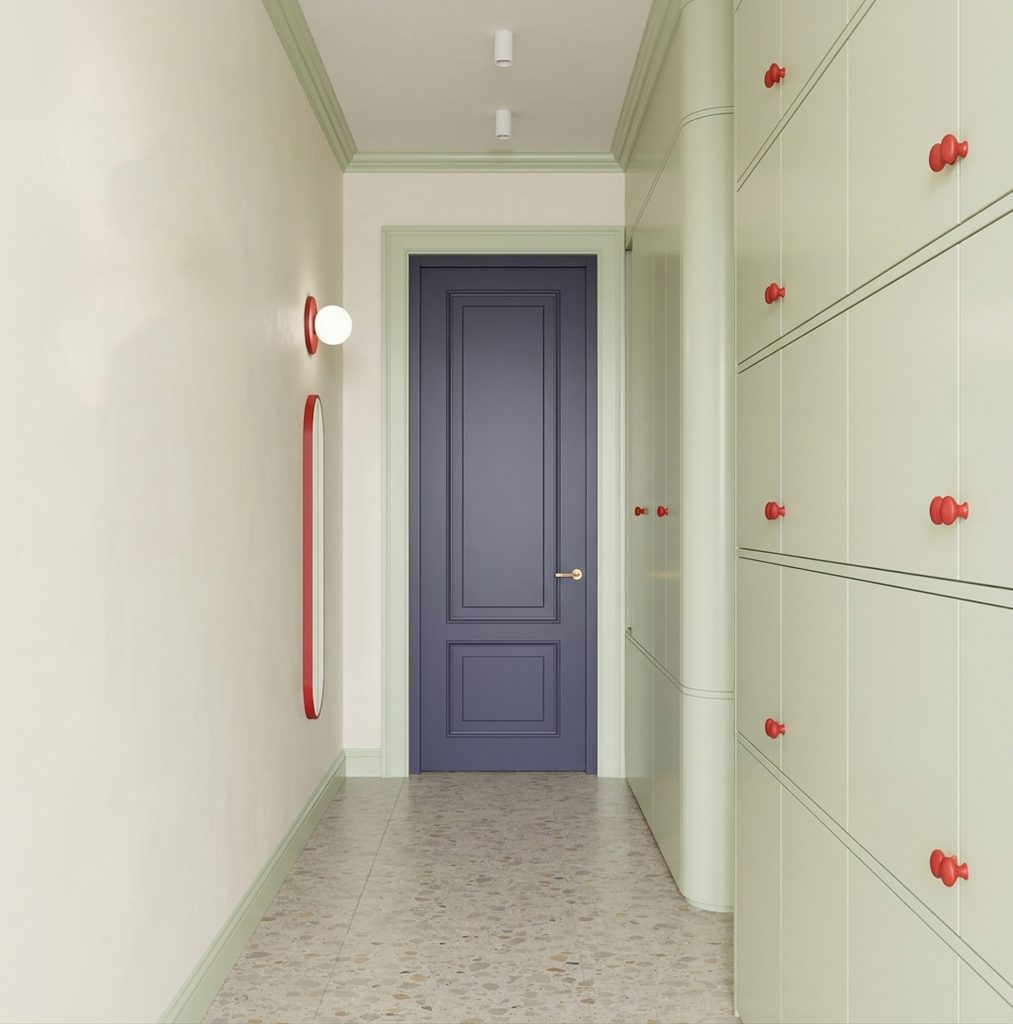
In this hallway, pale green floor-to-ceiling cabinets provide plenty of concealed storage, while bright red knobs turn their simple fronts into a playful design feature. The same soft green appears on the crown molding, baseboards, and door trim, making the cabinetry feel connected to the architecture rather than added as an afterthought.
A muted purple door introduces another unexpected color, and the red-framed mirror ties back to the cabinet hardware for a coordinated look.
The terrazzo-style floor adds subtle texture without competing with the stronger colors, while a small globe sconce and recessed ceiling lights keep the narrow space illuminated.
The most noticeable omission is a dedicated seating area for putting on shoes. However, adding a bench might make the already narrow hallway feel cramped, so keeping the circulation space clear could be the more practical choice.
If you’re borrowing this idea, try using a soft color across your cabinetry and trim, then introduce a contrasting accent through handles, a mirror frame, or lighting details. It’s a way to make a storage-heavy entryway feel thoughtfully decorated without crowding the walkway.
Conclusion
A well-designed entryway is about more than making a good first impression. It’s about creating a space that makes everyday routines easier while reflecting the character of your home. As these designer-inspired entryway ideas show, even practical features like storage cabinets, shoe benches, and coat hooks can become part of the design through thoughtful choices in color, materials, and detailing. Whether you prefer bold cabinetry, natural wood finishes, or a more understated look, start by considering what your entryway needs to accommodate and how you use it every day. With the right balance of function and style, even a small entrance can feel organized, welcoming, and full of personality.